Architects: Harrison Minchew and Fred Funk
Walkable: Nope. Cart-ball. No infrastructure for walkers and I don’t think they’d let you.
Highlighted Holes: 4, 5, 8, 13, 15, 18
Since RainDance first opened in 2022, I’d gone back and forth on playing it. It bills itself as the longest course in North America, and if that’s the draw, I couldn’t imagine the there was much worth seeing. It was designed by Harrison Minchew, a longtime architect for Arnold Palmer and Fred Funk, who’s never done anything in the world of course design. With all of that in mind, my expectations weren’t particularly high. I’m happy to report that after playing it, I was pleasantly surprised.
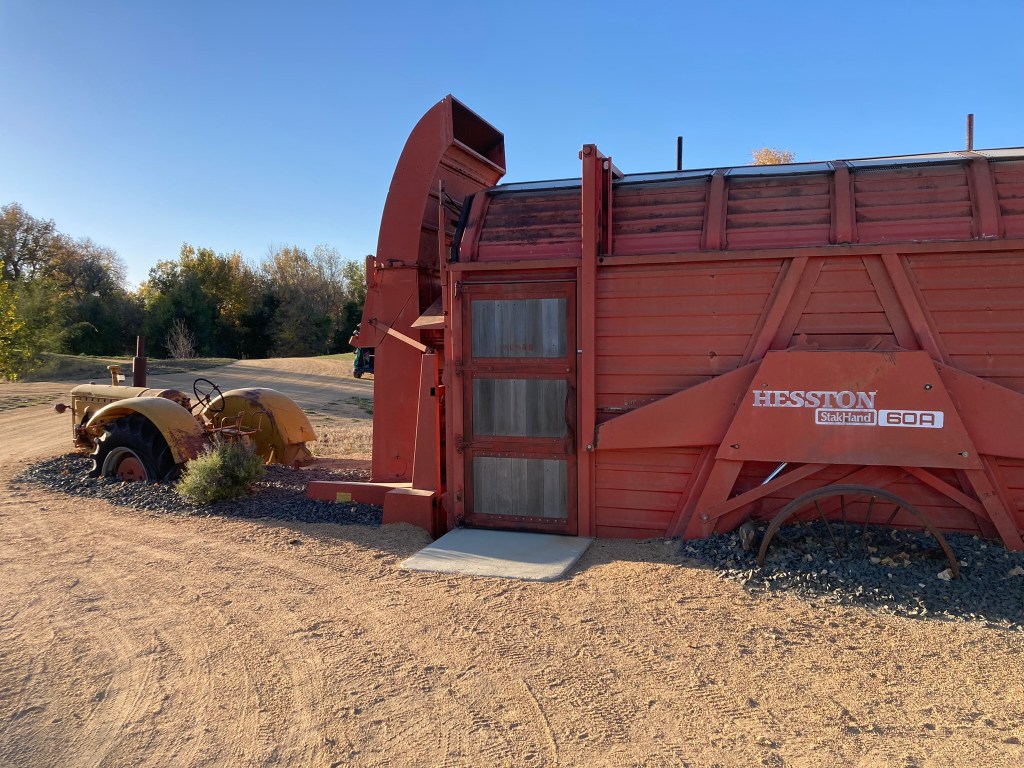
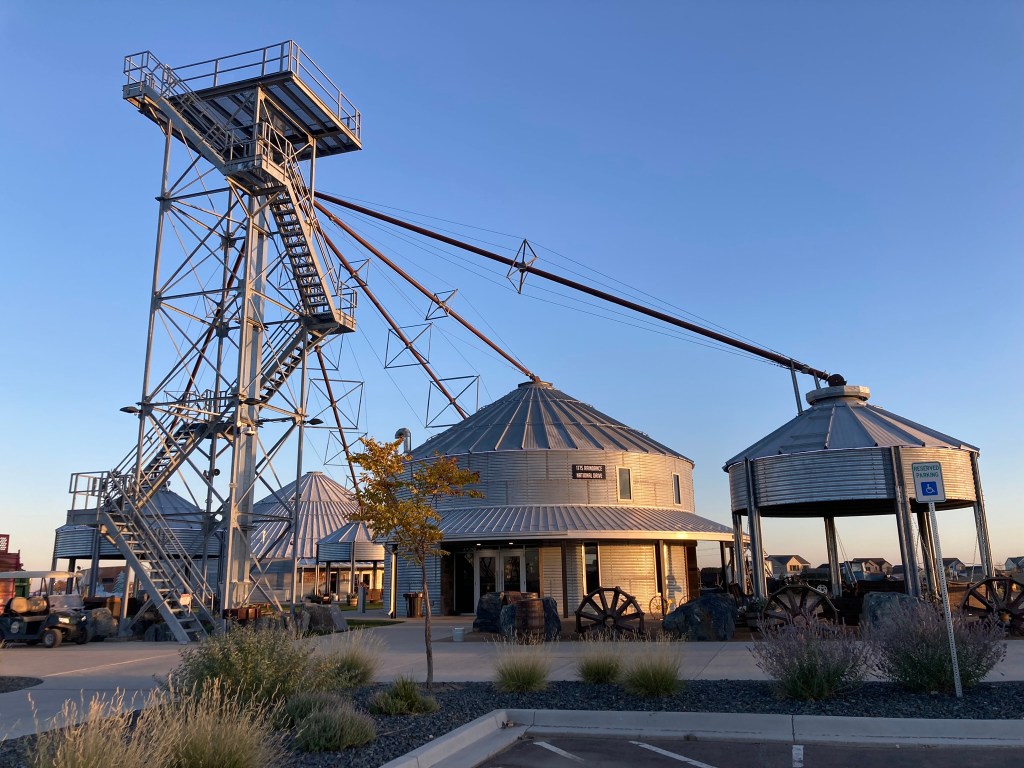
They’ve leaned hard into the rustic farm aesthetic at RainDance. The parking lot lights are old center pivot irrigation wheels and mounts, the clubhouse is a cut down grain silo, and tractor wheels make up fences and gates. Old tractors and farm equipment litter the course in a way that doesn’t feel overdone. In fact, the on course restrooms are old retrofitted trailers being “pulled” by old tractors. The reason it works is because they went all in.
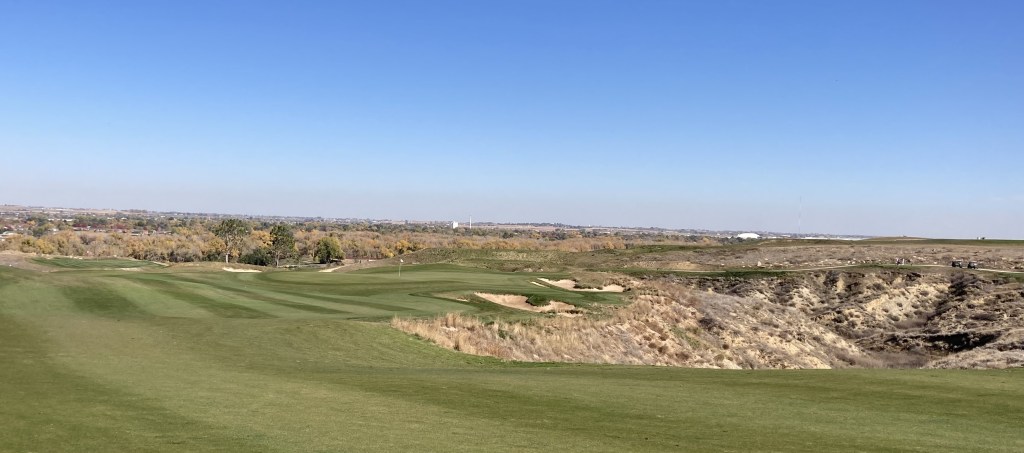
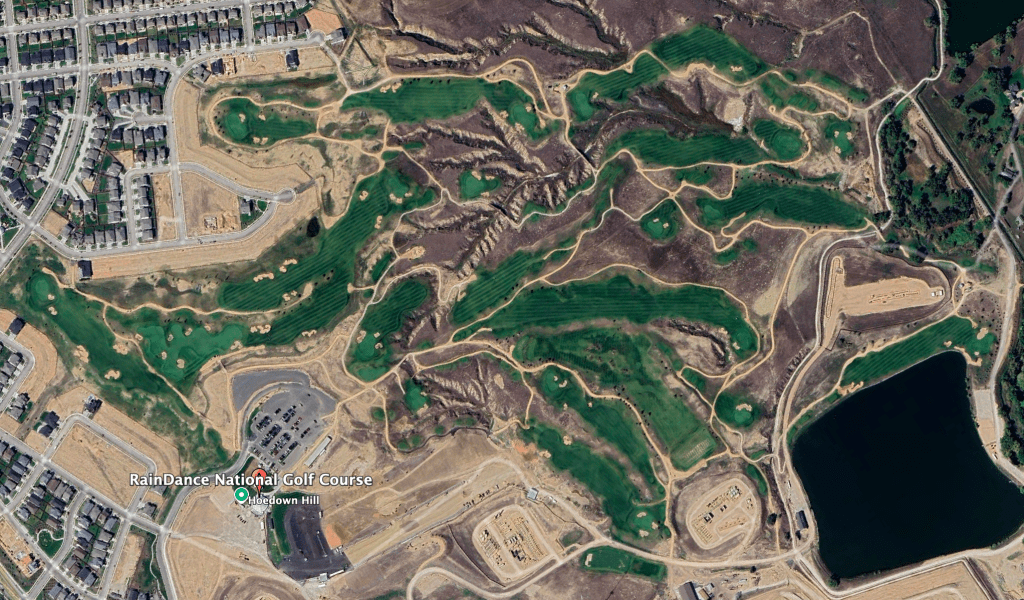
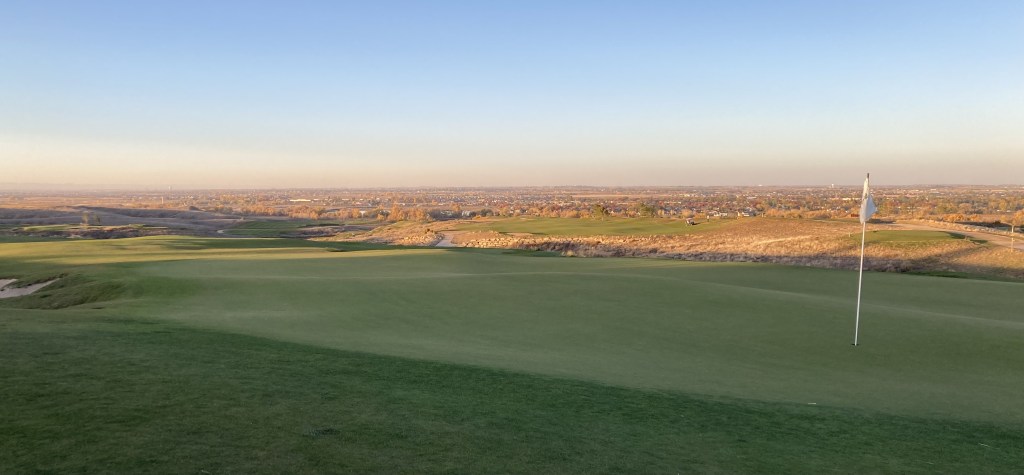
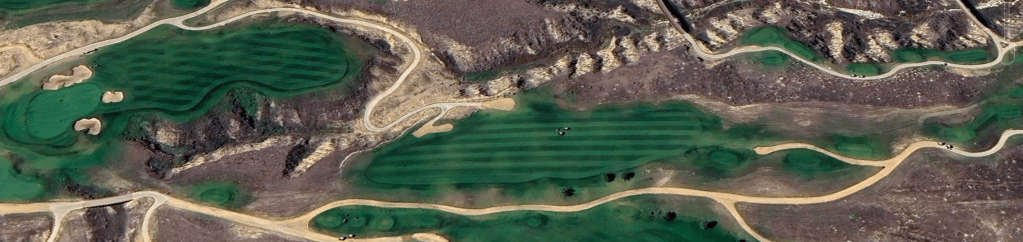
The course has wide fairways, complex greens, a pretty setting, and a very impressive routing considering the limitations imposed by the ridges and arroyos that make up the land. There’s a lot of movement in the fairways and somehow far more holes that go downhill than uphill. These make the ‘continent’s longest course’ much more manageable for the everyman. The real challenge comes from greens that are perpendicular to the fairway, putting a premium on distance control. In the green are aggressive contours and shelves that require careful reads and speed control. If you find yourself above a pin on the wrong tier, there are very few ways of stopping the ball. Combined with large, well placed bunkers – the length of the course is the least of your worries.
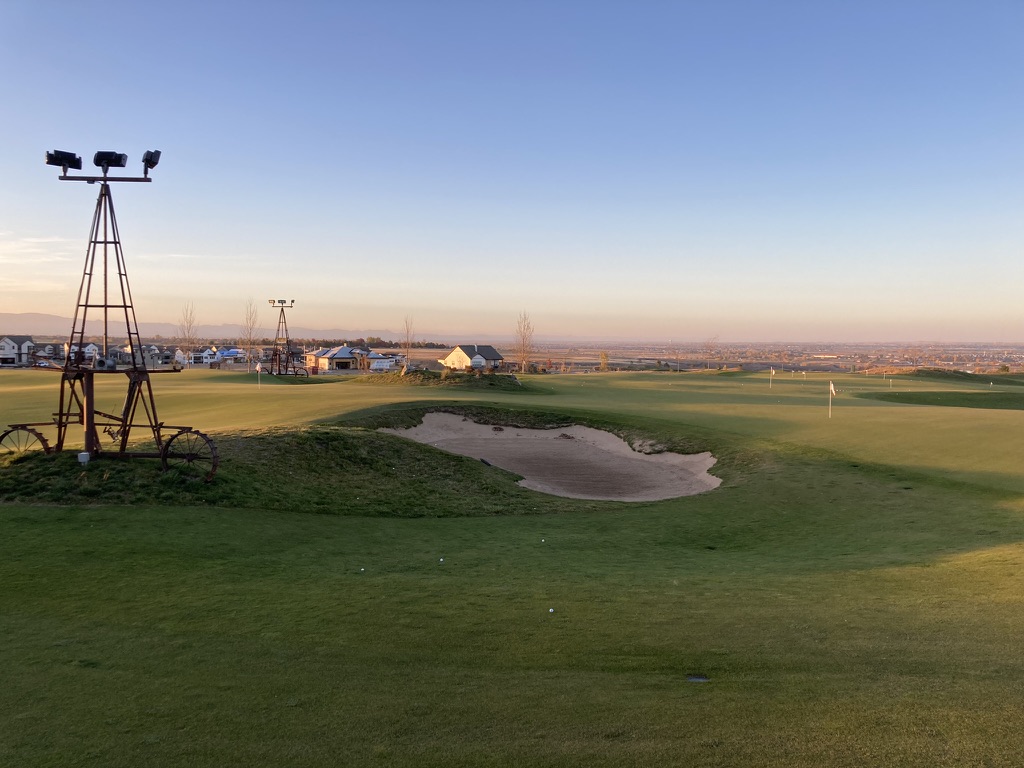
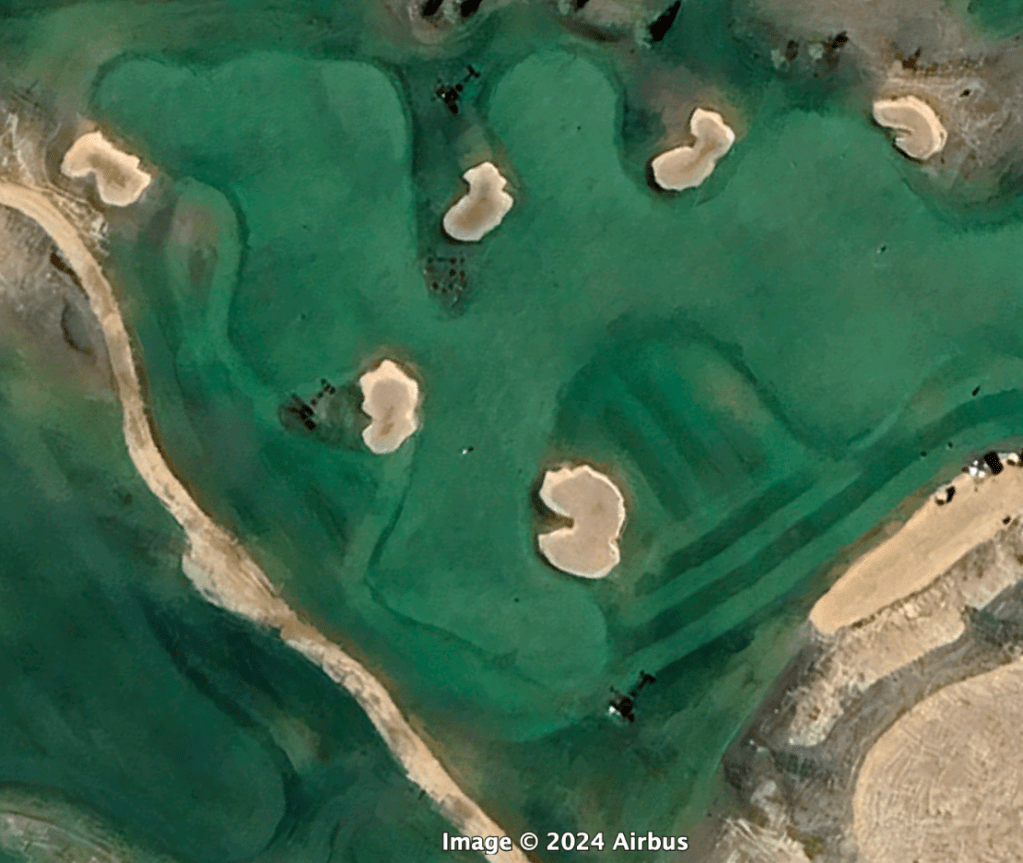
RainDance also hosts one of the most impressive short game areas I’ve ever seen: the G.O.A.T. Ranch covers 1 and a half acres, the boasts six bunkers, pins galore, and the kinds of big shelved undulations you’ll see on the course. I didn’t stay late enough to see them, but there are lights surrounding the practice area for after dark fun. I’d come up here solely to spend an hour or two out on the ranch.
Four: The fourth hole is a dramatic downhill par four with a blind tee shot to the top of the ridge. The fairway is a series of large steps that will likely give you a flat lie from wherever you end up. The green is tucked around behind the ravine with bunkers protecting the front and back of the green.
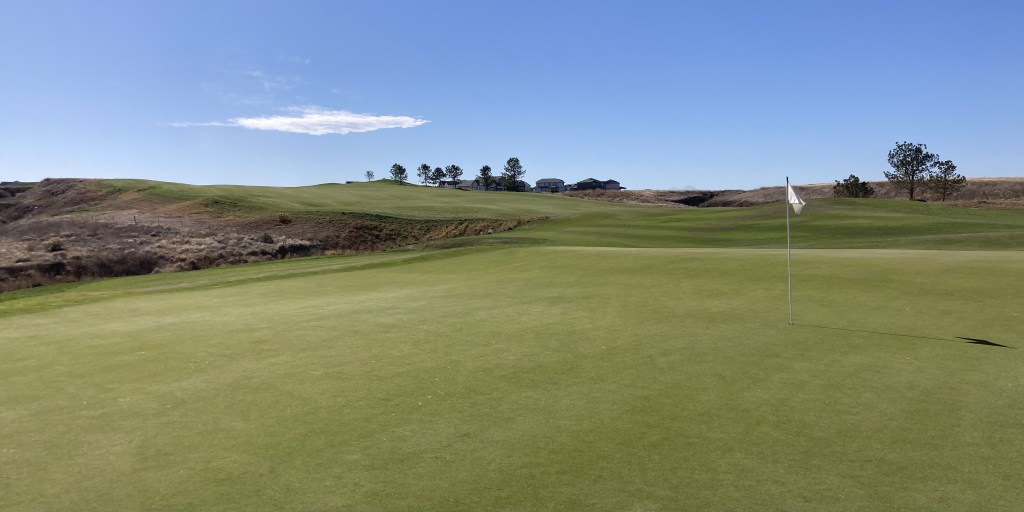
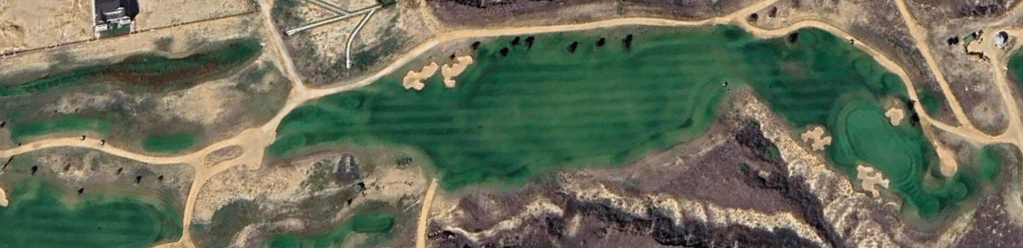
Five: From the tips, this is a 600 yard par four. RainDance gets away with this because of their second dramatic drop off in a row. Everything will funnel down hopefully leaving you a much shorter second than you were expecting. The green is raised up on a different ridge and leans right which should kick balls hit left onto the green.
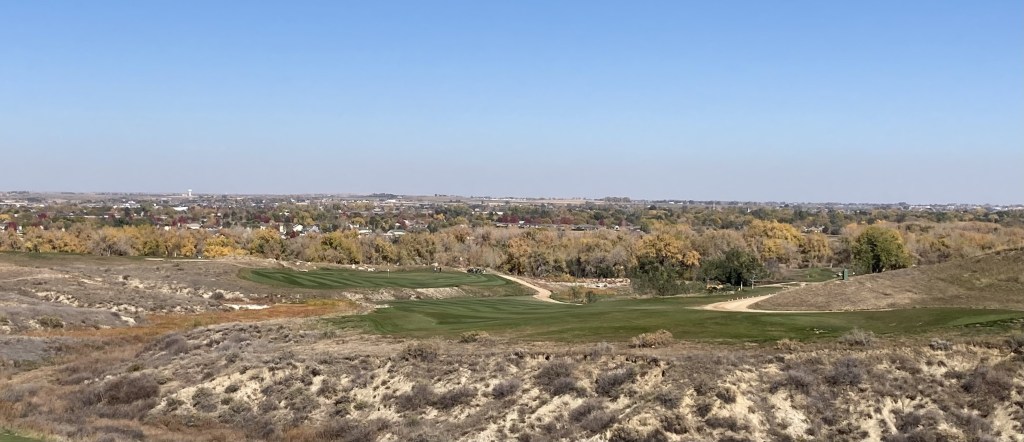
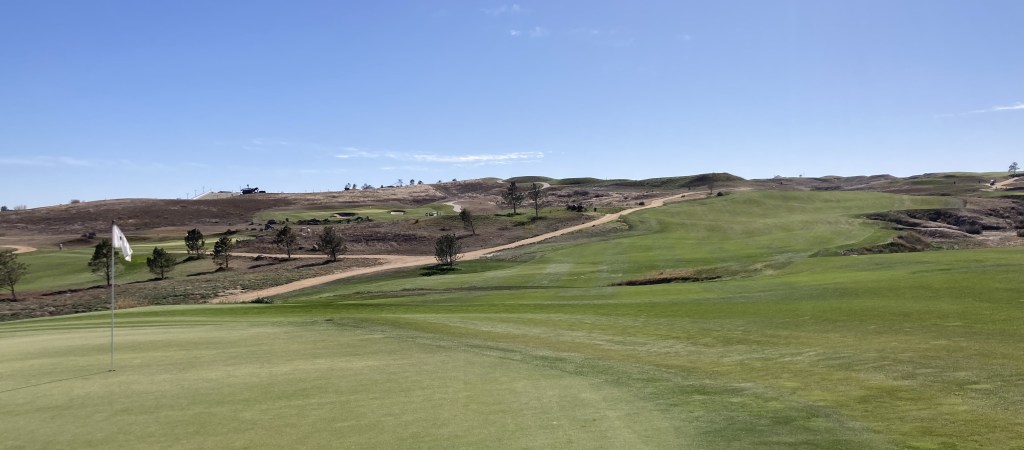
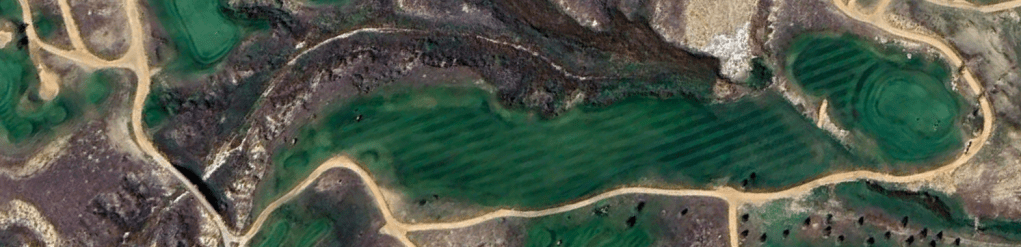
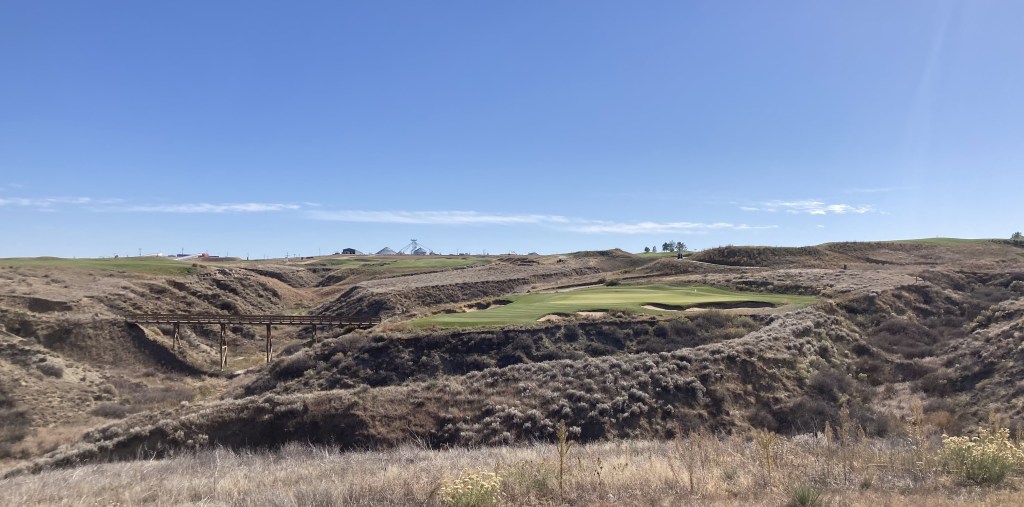
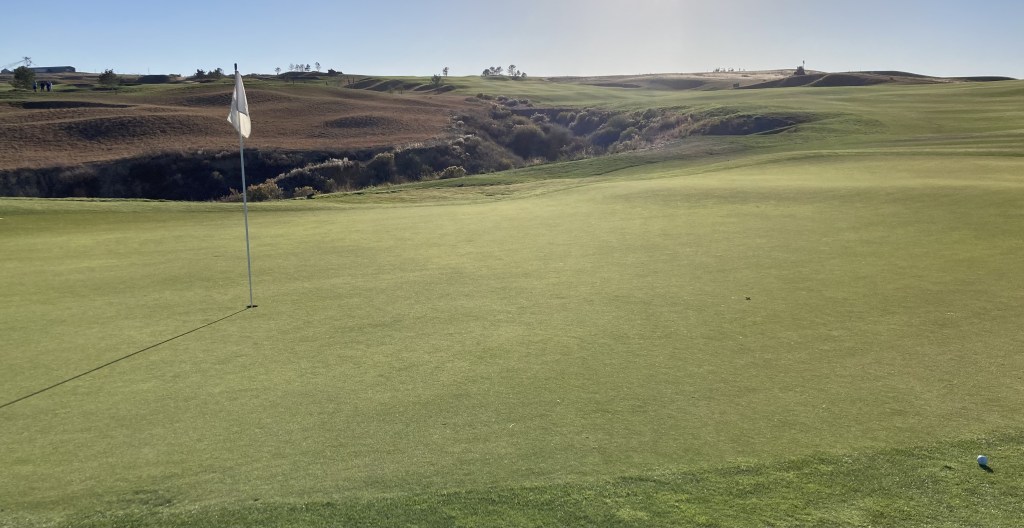
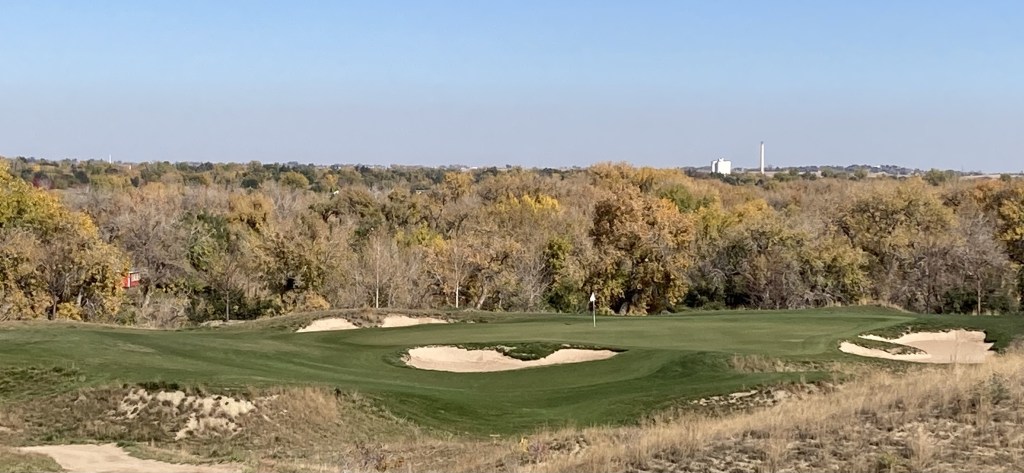
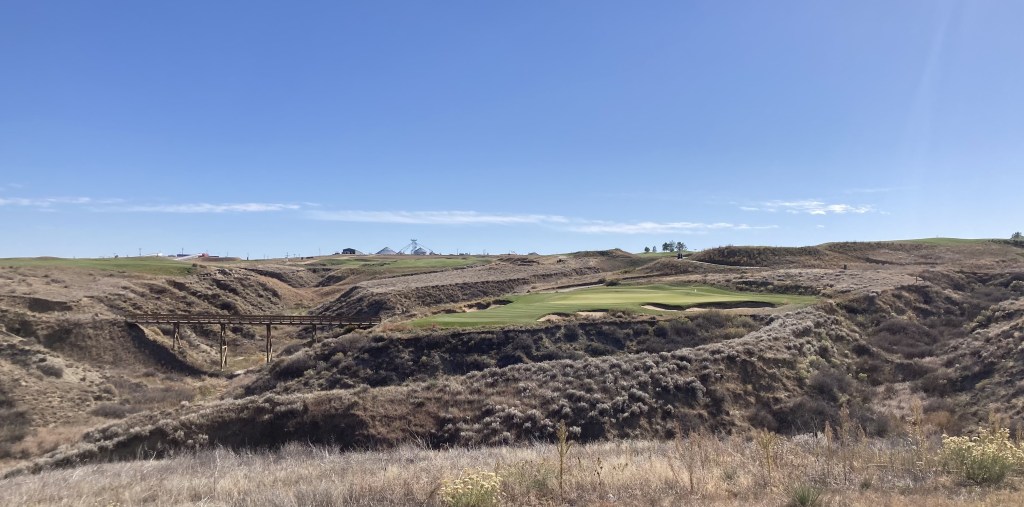
Eight: The eighth is the postcard hole at Raindance. This medium length par three requires a shot over the arroyo to a large tiered green. Long shots to a right pin have to contend with the front right bunker as the green slopes toward it and the green runs into it. It’s entirely possible to putt into the sand and possibly a coinflip on a chip.
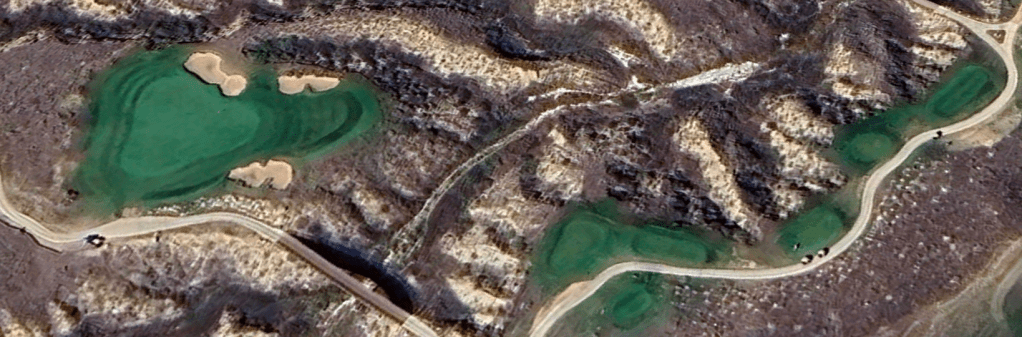
Thirteen: The dramatic drop and layout makes this a longer twin of the par four fourth. The fairway is wide and undulating. As long as you’re not playing it from the back tees (752 yards) and hit a good drive, you’ll be within going for it range. The big fairway movement is a fun feature, but also masks your landing area should you be trying to lay up. The back of the green slopes away despite how it looks. It plays a little like the right side of the green on 17 at Prairie Dunes.
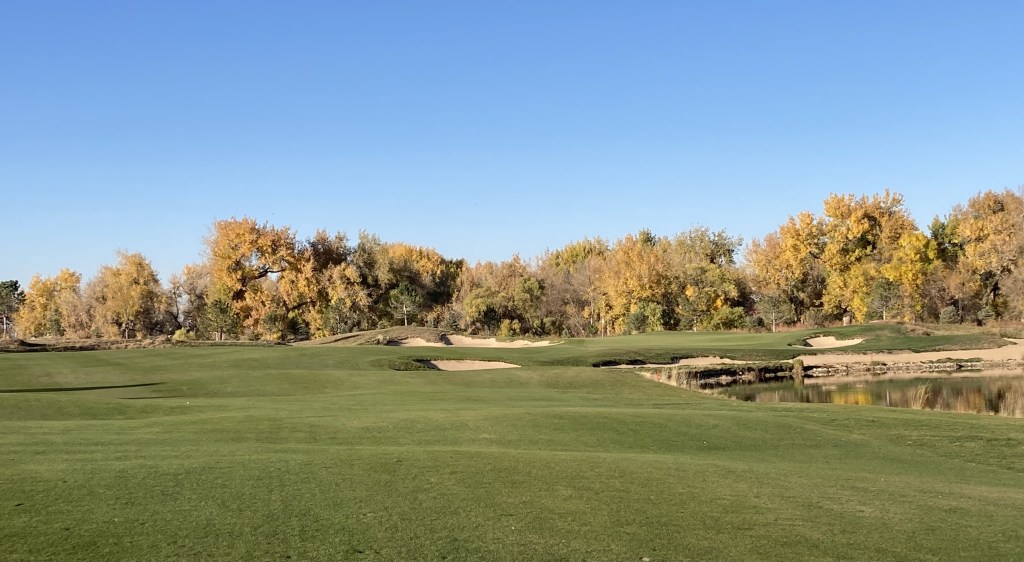
Fifteen: The flattest hole on the course and the only one with any water requires a precise tee shot from an uncomfortable angle. The fairway has some unexpected movement and the tiered green is surrounded by bunkers. Maybe it’s the fall leaves, but I loved this hole.
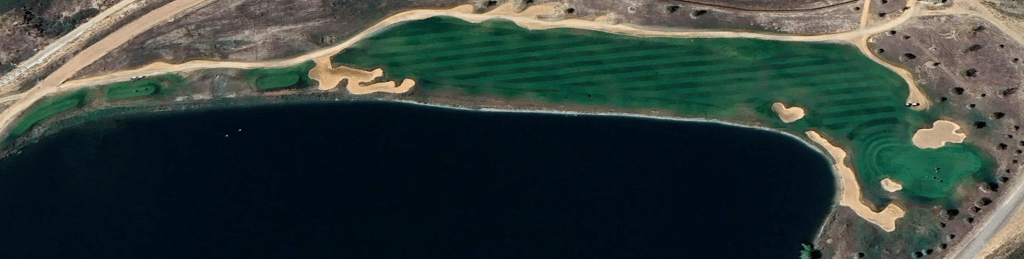
Eighteen: From the tee, you’re looking right down the pipe of the first fairway, but can’t see the end. Big hitters might want to lay back to avoid losing it long. From the first fairway comes a decision: hit a mid to long iron into a well protected green with no room to miss? Or lay up to a heavily undulating fairway with no obvious room to leave the ball? Once you’re there, you’ll find the last severe green of the day with all the same features of the rest: tiers, shelves, and the chance to three-putt.
Final Thoughts:
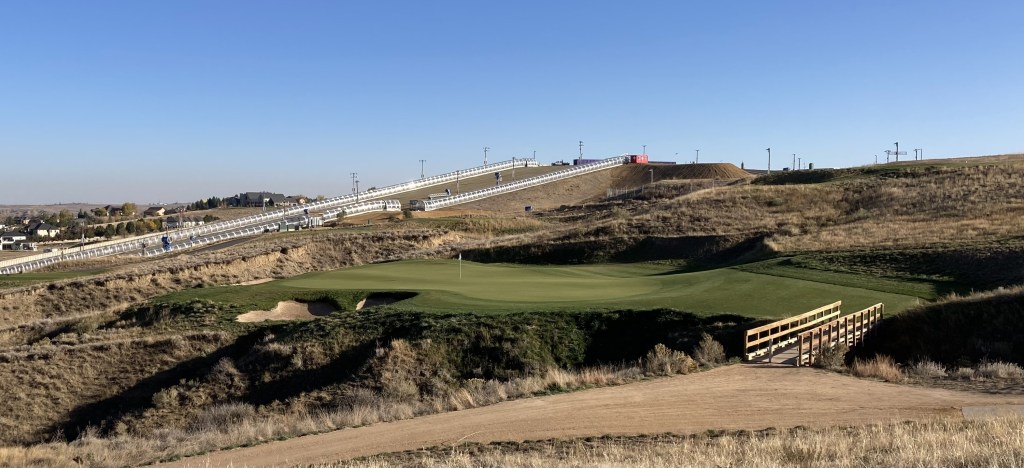
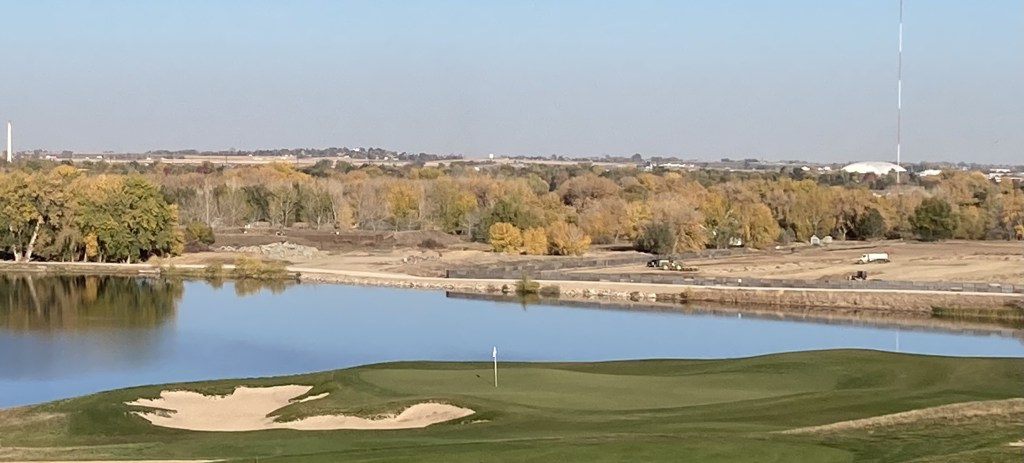
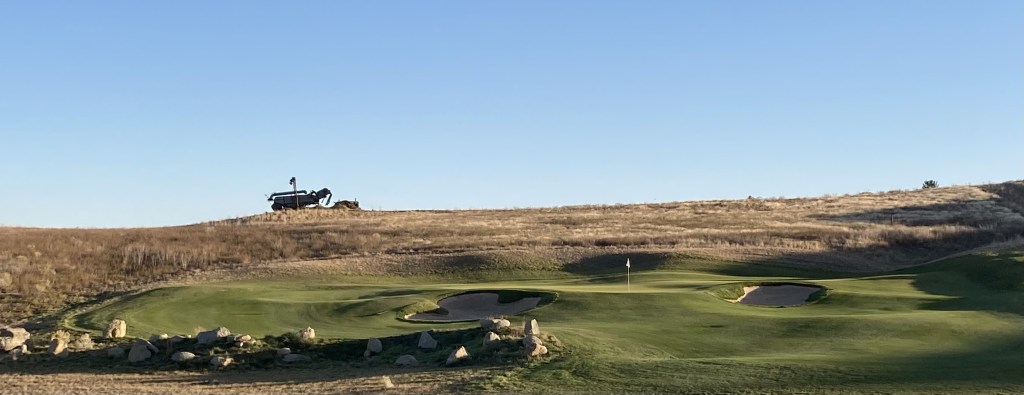
The course is dramatic. It’s obviously long, but it’s big too. Generous fairways, large drops from tee to green, and native areas that are sparse enough to find an errant ball. The challenge comes from the difficult, sloping greens where being out of position makes a three putt more likely than not. Many of the greens are skinnier that one would prefer and aligned so that long or short misses are penalized. RainDance has a strong set of five par threes (see the “Par Three Gallery” at the end of the post). The views are great, the practice area is exceptional, and it’s a fun golf course that would be worth playing again if not for the $150-$170 green fee. With Highland Meadows down the road (a better course for half the cost), it would be tough for me to pick RainDance. It does have a pretty cool logo though.
Bonus Par Three Gallery:
Further Reading:
Here’s what it’s like to play the longest golf course in North America – Golf.com
 Layman's Hall
Leave a comment