
Architect: Art Schaupeter
Walkable: There are some sizable hills but it’s well routed for walking
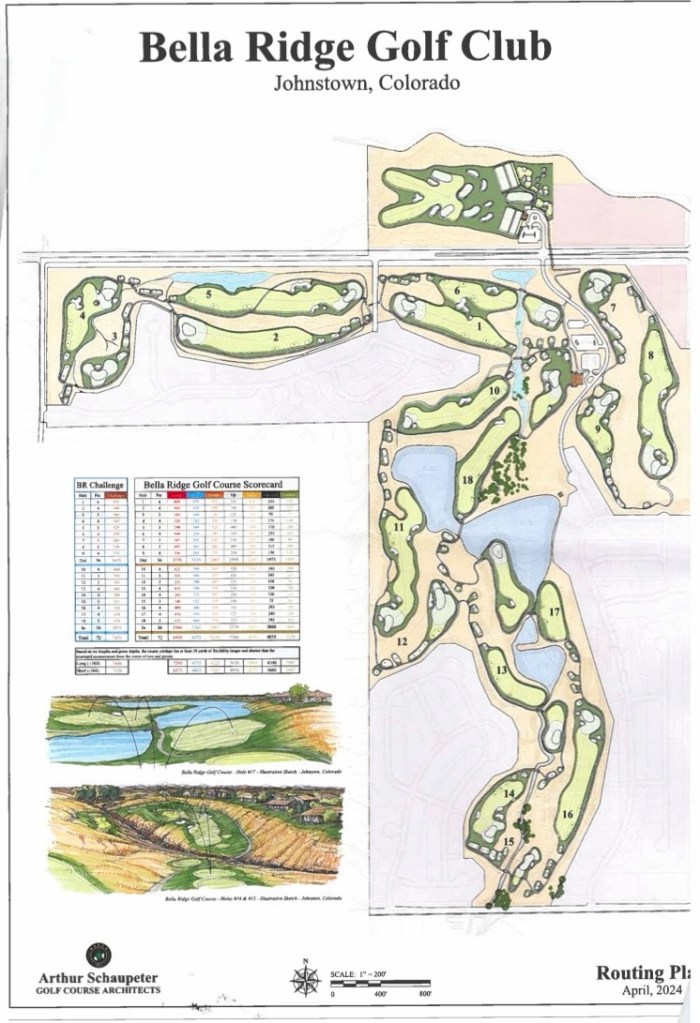
Highlighted Holes: 1-18
Note: I was lucky enough to join architect Art Schaupeter with my good friend TJ Patterson, for an early tour of the course. You’ll notice a dramatic increase in photo quality courtesy of TJ.
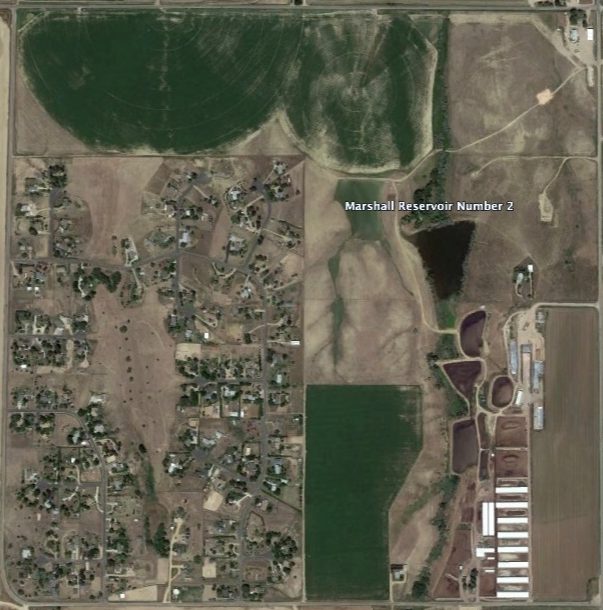
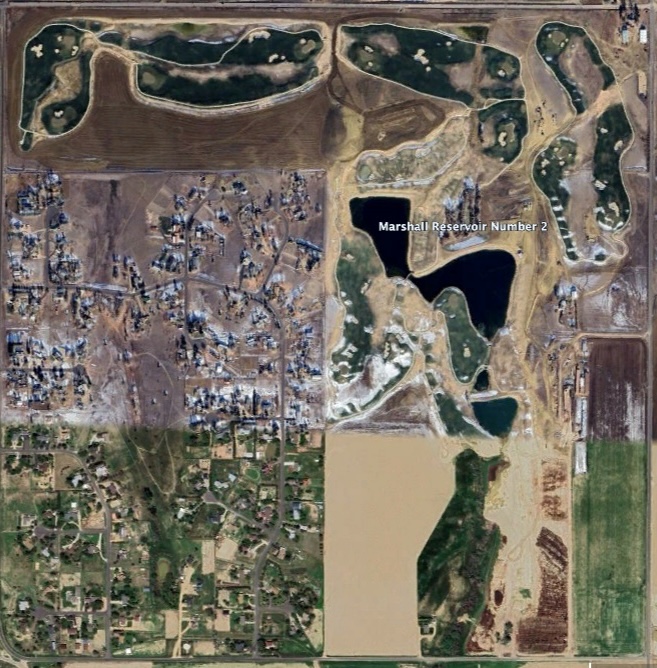
The first hole discovered at Bella Ridge was the fifteenth, designed decades ago by the Podtburg kids as they hit golf balls from a flat spot near their house over a small ravine to the other side. Thirty years later, Art Schaupeter joined the party and found seventeen more amid the farmland, dairy cows, and sludge lagoons. Many of the holes laid in the land, waiting to be uncovered.
Schaupeter grew up near Denver and attended school at CU before starting a career in landscape architecture. His first foray into golf came working with Keith Foster, a longtime Arthur Hills associate renowned for his restorations at places like Southern Hills and Omaha Country Club. Working with Foster in Colorado, Schaupeter helped build Haymaker in Steamboat Springs and Buffalo Run in Commerce City before opening his first solo Colorado project: Highland Meadows in Windsor. TPC Colorado, which plays host to the Korn Ferry Tour’s Ascendant, followed in in 2018. By the time he started on Bella Ridge, he’d designed and remodeled courses in Missouri, Texas, and Illinois, quietly building a reputation for golf that leans heavily into strategic principles that are playable for golfers of all levels. As the tagline on his website once said, “fun is the foundation.”

The site itself is about 450 acres and Schaupeter was given free riegn to use whatever land he wanted with housing developments to be built later on what wasn’t used. Some holes stood out from the start like the not-quite-Redan twelfth, the short fifteenth, and the seventeenth, all built along the Podtburg’s ‘beautiful ridge,’ The front nine loops from the base of the clubhouse along slowly rolling farmland and back before winding through a valley up to the ninth, which sits atop the northernmost ridge line. The hilltop to hilltop tenth begins the outstanding back which rides up the ridge to highest point on the course, the sixteenth tee, before the drop sends you screaming to the clubhouse along the sixteenth, seventeenth, and eighteenth holes.
A 27 acre practice area will sit across from the course on the other side of County Road 44 with a large putting green, driving range, and short game area that can be accessed independently. With the expansive facility next door, the practice green above the first tee is dead flat; perfect for gauging the speed before teeing off. The front can be played as a six hole loop (1-6) that drops you back at the clubhouse if your time is limited. It’s a course that can be pushed to as long as 7840 yards from the far back challenge tees, but most people will play it between 4600 and 6900 yards.
One: The first is a par four that combines a wide fairway with a generous green to ease you into the round. Taking on the right bunker shortens the approach but the sand is devious, ready to grab anything wayward. The green is subtle and falls off on three sides. The opener is a classic gentle handshake, should you accept it.
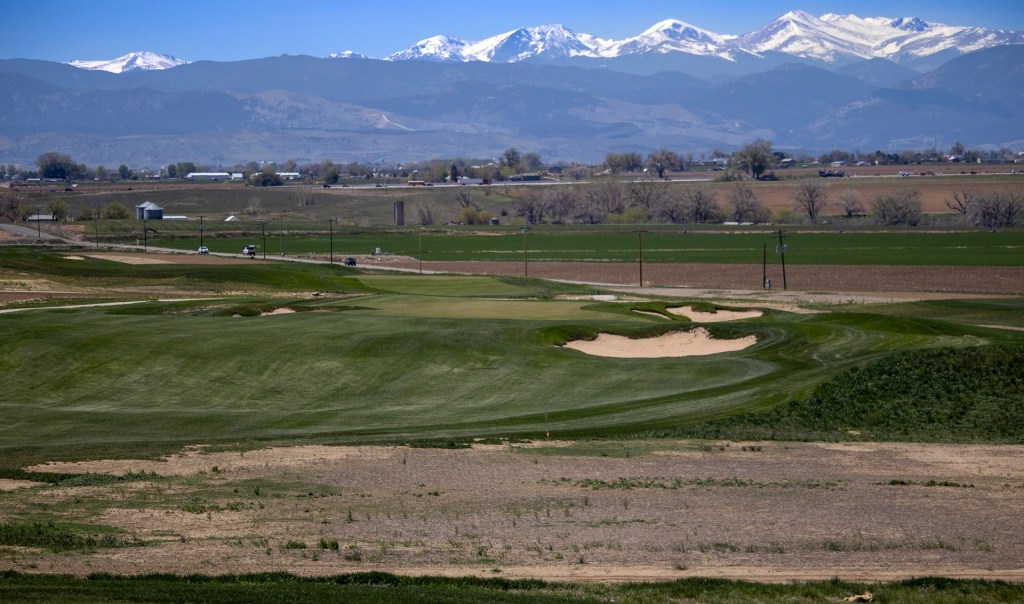
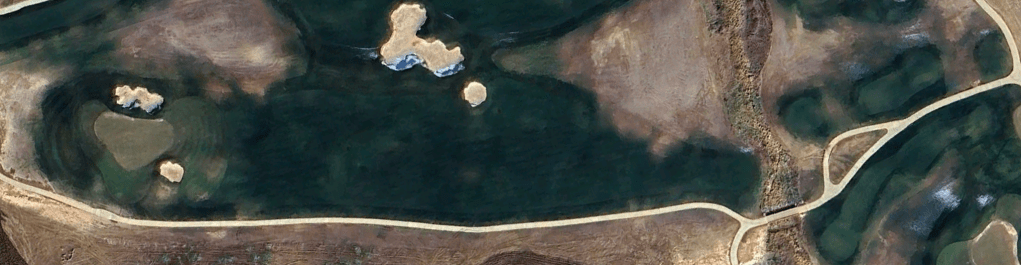
Two: Bunkerless, but not without hazards, the green on the long second is hidden by a hill that will tempt big hitters into taking it on and the fairway movement is burly. It’s the first hole on which we can see Schaupeter’s clever teeing plan. The boxes are continuous and run into the fairways as often as possible, offering a wide variety of playing options for golfers and superintendents. Kicker slopes and contours await discovery and will reward repeat play.
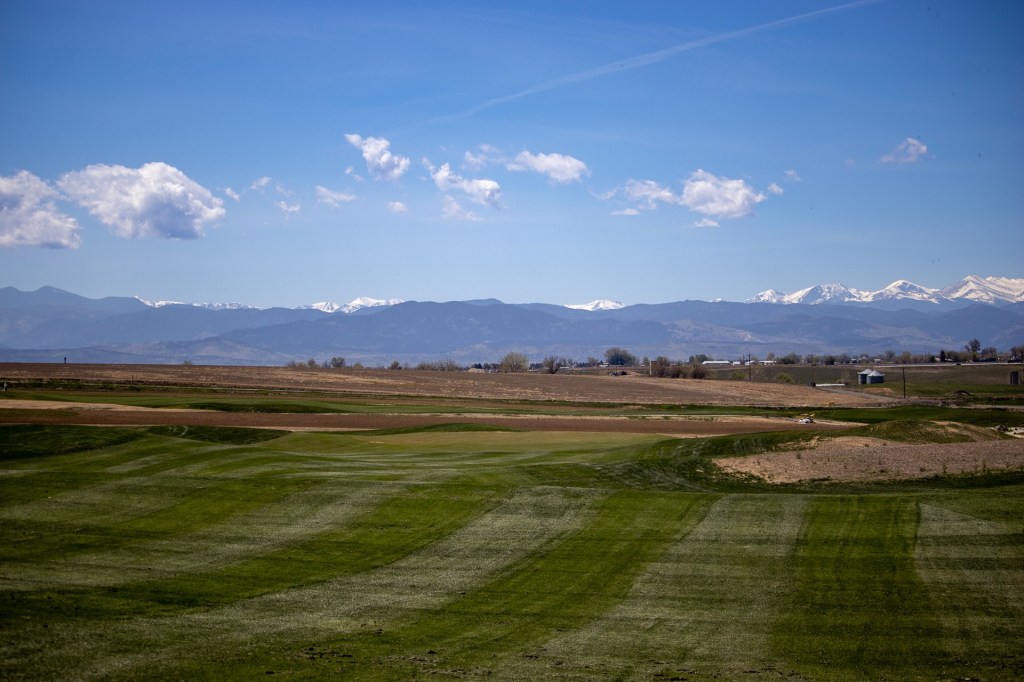
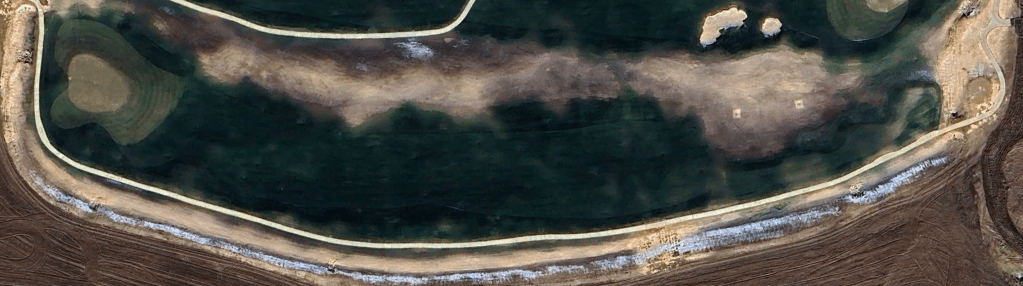
Three: From the backs, this hole will play anywhere from 160 to 190 yards. I wish I’d taken a photo of the green, but the three distinct sections can be seen on the aerial below. A small shelf at the back right will be a devious spot for a pin while the front right bowl offers opportunities to get it close. From the tee the putting surface blends in with the chipping areas and the large front bunker. Reassure yourself that there’s room to take dead aim.
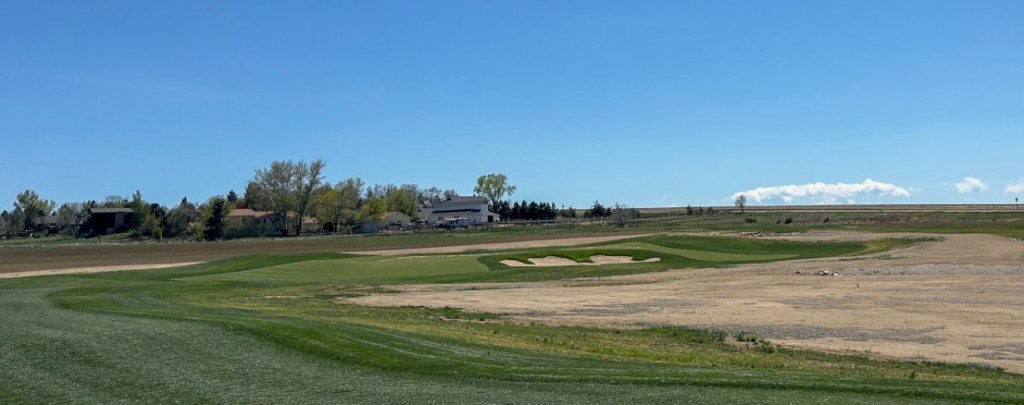
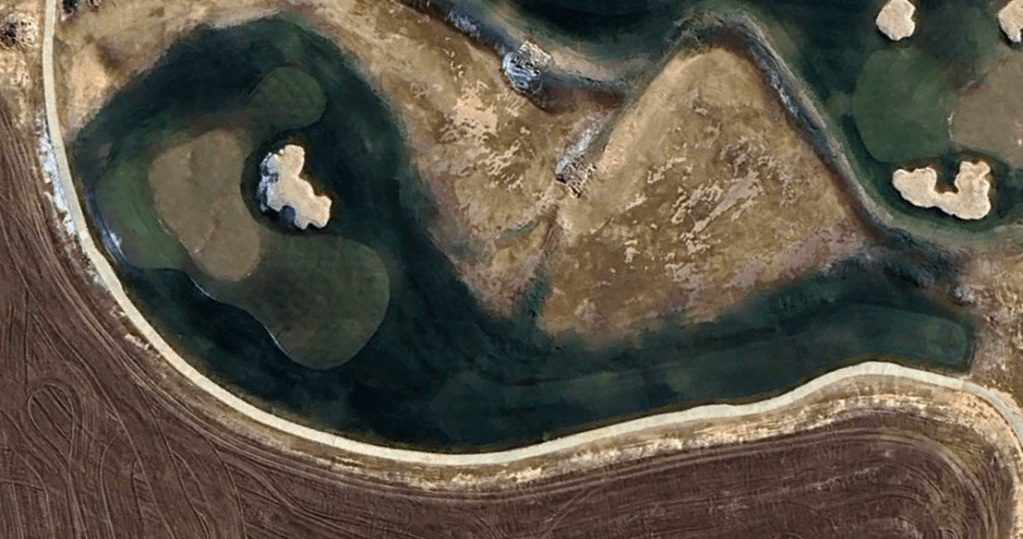
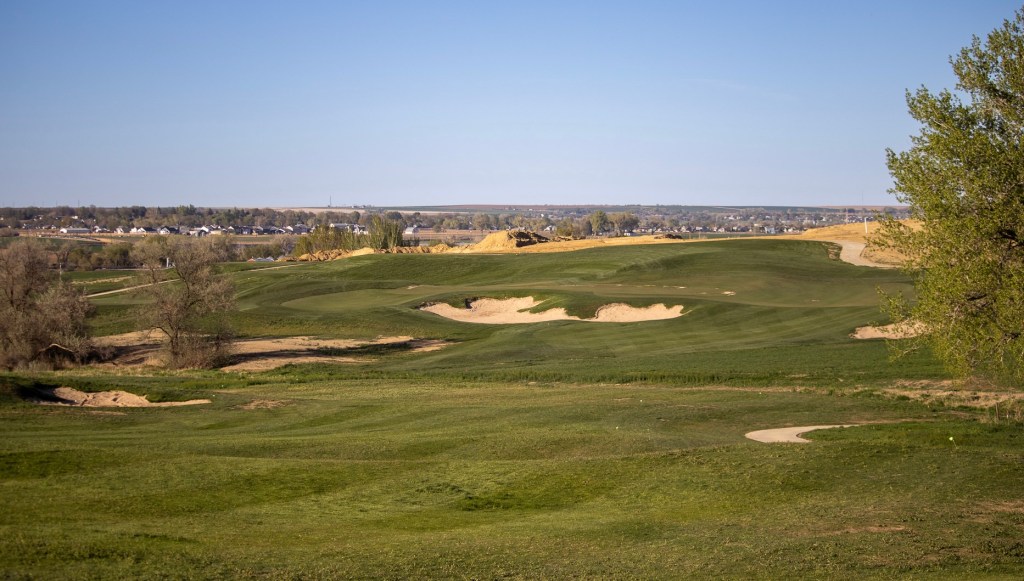
Four: The first of three driveable par fours that, as Schaupeter puts it, crescendo throughout the round, the fourth is fronted by bunkers and a creek that runs along the right that will need to be navigated by anyone going for it. The green looks like it could run right into the field behind and falls away leaving long shots with a delicate chip to the nuanced green. A layup will require delicate touch as two fairway bunkers sit in the perfect spot for a tee ball.
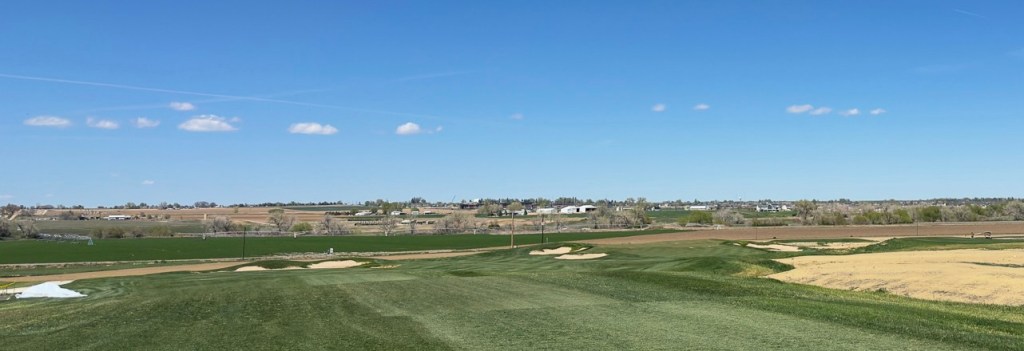
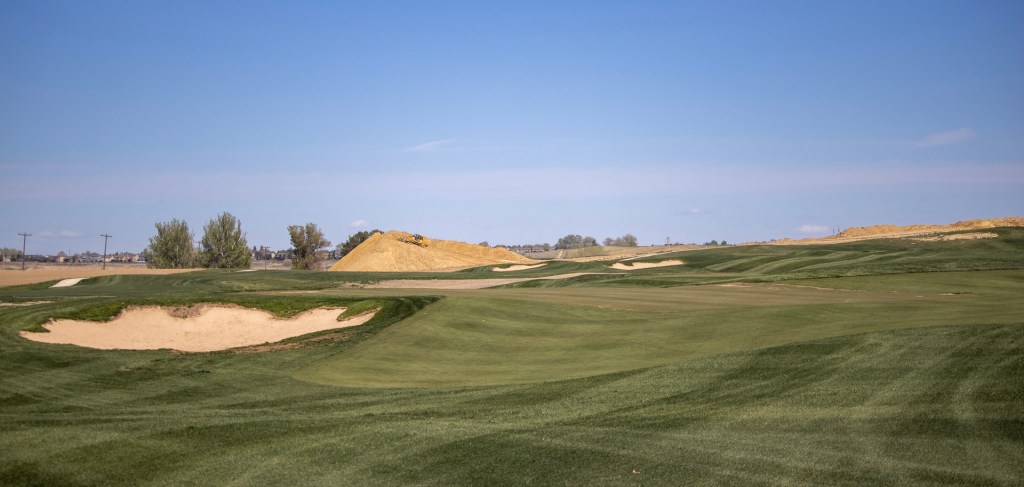
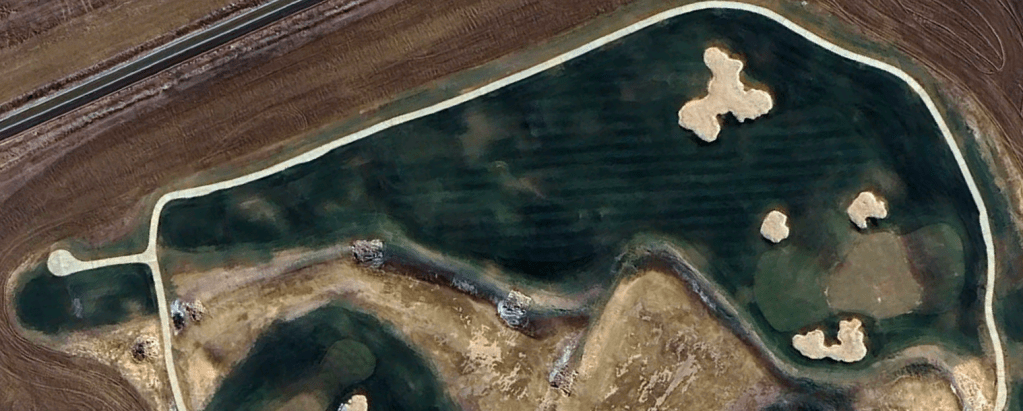
Five: The uphill par five fifth’s bunkers are intimidating. The one of the left is sixty yards long, ready to swallow a missed second shot and leave you blind. The bunkers on the right provide some cover for the best angle. The rumpled fairway will offer some interesting stances while a knob left hides a kicker ready to shoot a good tee shot forward for a shorter, albeit more awkward, chance to go for the green in two.
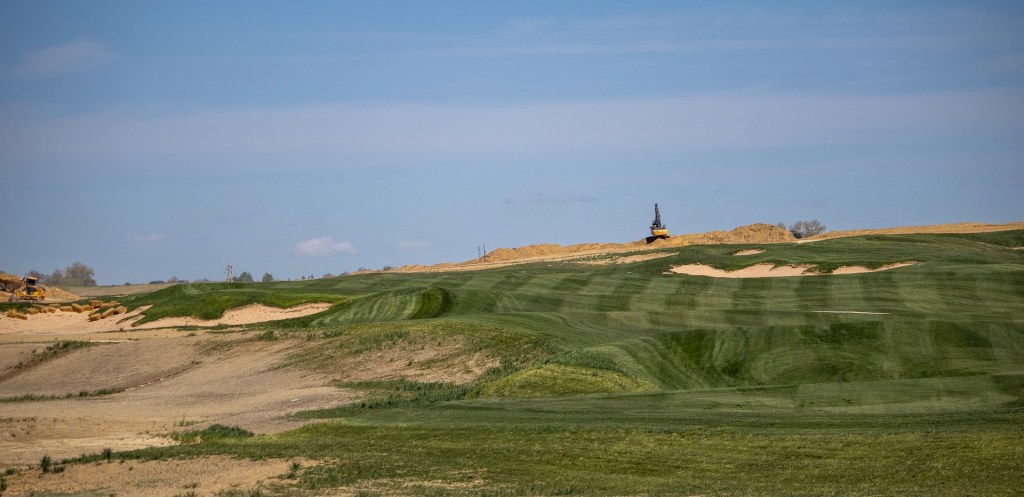
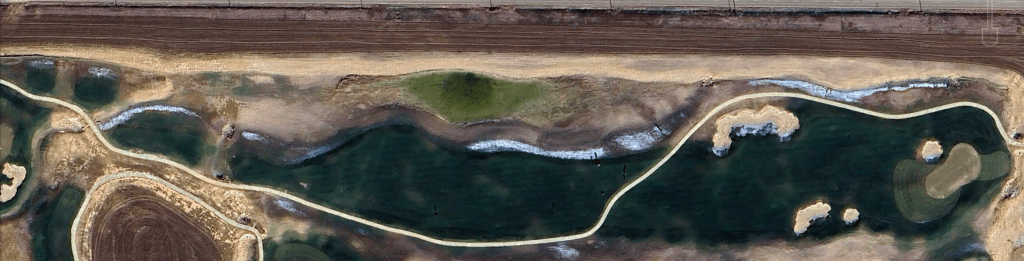
Six: The sixth is a long par four with a sharp Prairie Dunes eighth-like ridge running through the center. The bunker that’s shared with the first hole makes the tee shot uncomfortable even though it’s clearable from the proper box. Taking it over opens up more room for a second but leaves an awkward angle vs. attacking the bunker on the left. The green is elevated with a deep greenside bunker and shaved down collection areas. I expect this to be the number one handicap hole when the rating comes out.
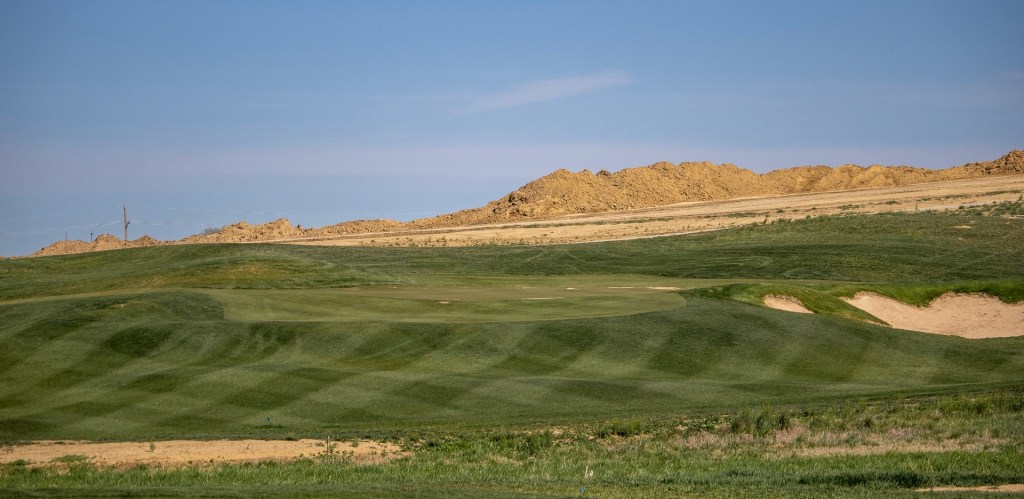
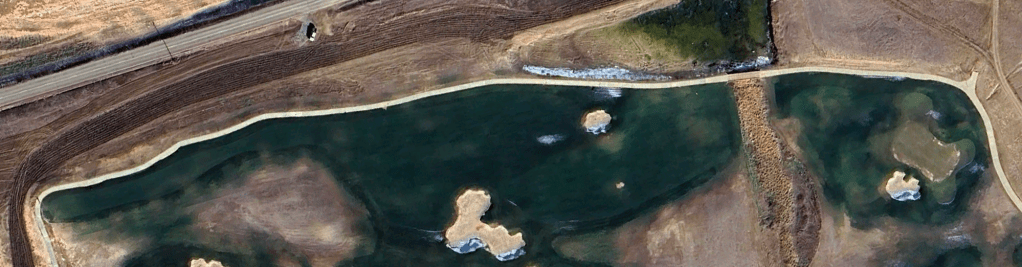
Seven: The seventh is a classic medium length drop shot par three with a deceptively long green and bunkers front right and back left. Without having yet played the course, this feels like an all bark no bite hole – unless your afraid of dogs.
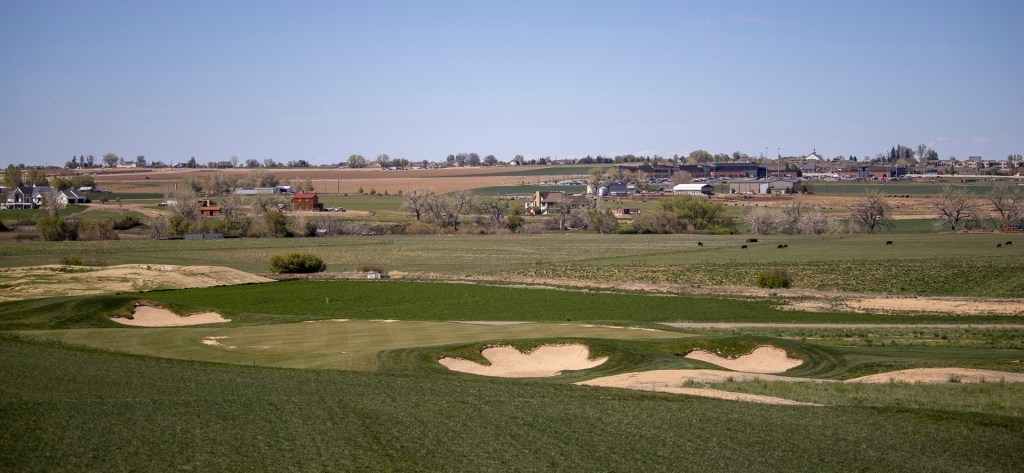
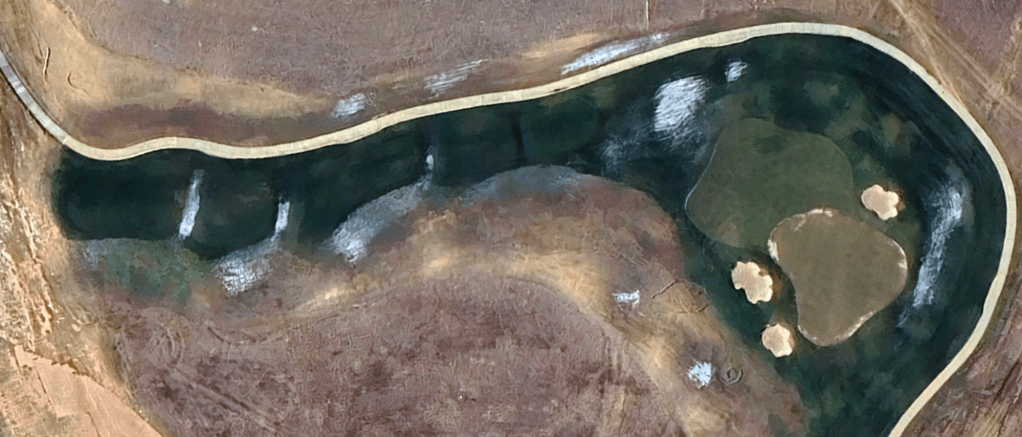
Eight: From its length to its bunker scheme to its long, skinny green, everything about this hole is deceptive. 500 yards long from the back, most people will consider it gettable and be annoyed when they walk off with bogey. It runs uphill through the valley with four well placed, well layered bunkers between the tee and the green. The first trap on the right can be carried with a stout drive but miss it even a little left and you’ll be laying up out of the leftmost bunker. You’re welcome to go for it from the fairway but bail out and chances are you’ll short side yourself on the right or the left as the green is skinny, assuming you make it over the large greenside bunker. The wavy Augusta-like putting surface with a knob on either side is no guaranteed two putt. For the more cautious and cerebral player, there’s room between the hazards and a well placed layup will leave a reasonable wedge in. It’ll be fun to see big hitters curse such an ‘easy’ par five.
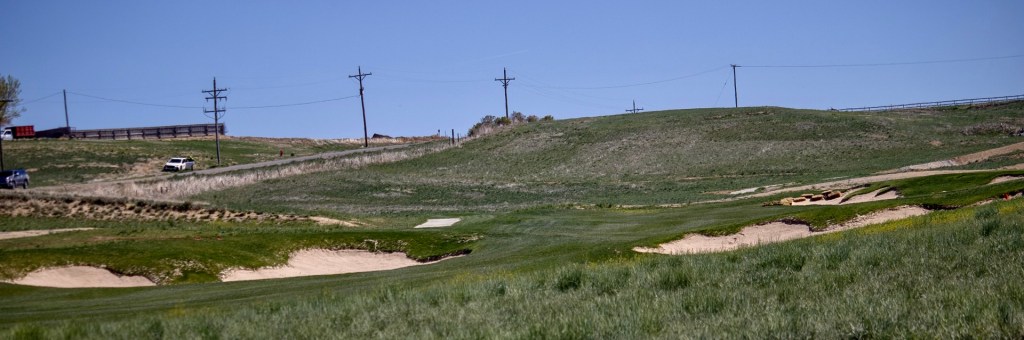
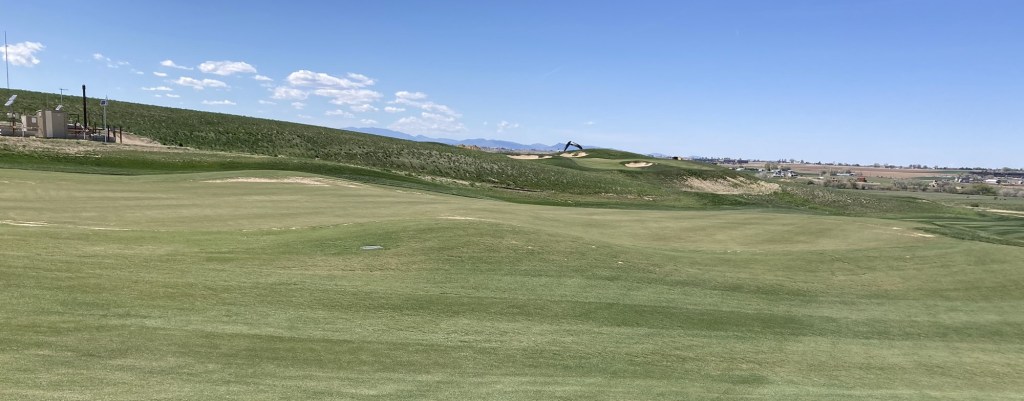
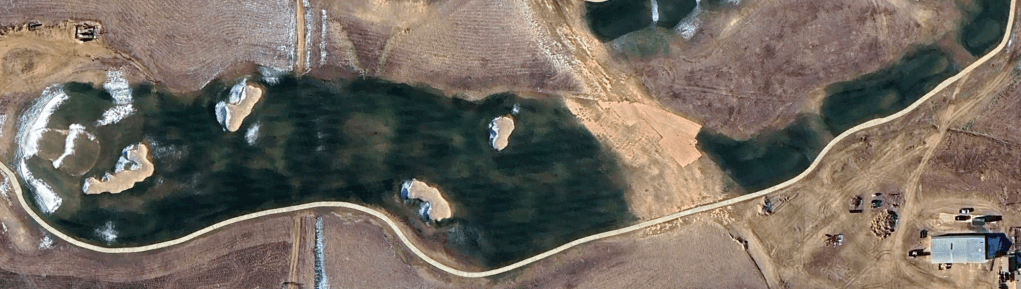
Nine: We reach the second of our three reachable par fours on nine. The ideal layup is left with an iron for a wedge and and angle in, but this is easier said than done because go too far left and the ball tumble down into a blind portion of the fairway with no look at the pin at all. Go for it and miss right and you’ll find in what will be thick fescue. Go for it and miss left and you’ll have a dreaded unsplashable sand shot. There’s risk, there’s reward, and there’s the ninth which you’ll want to come back and try a different way each time.
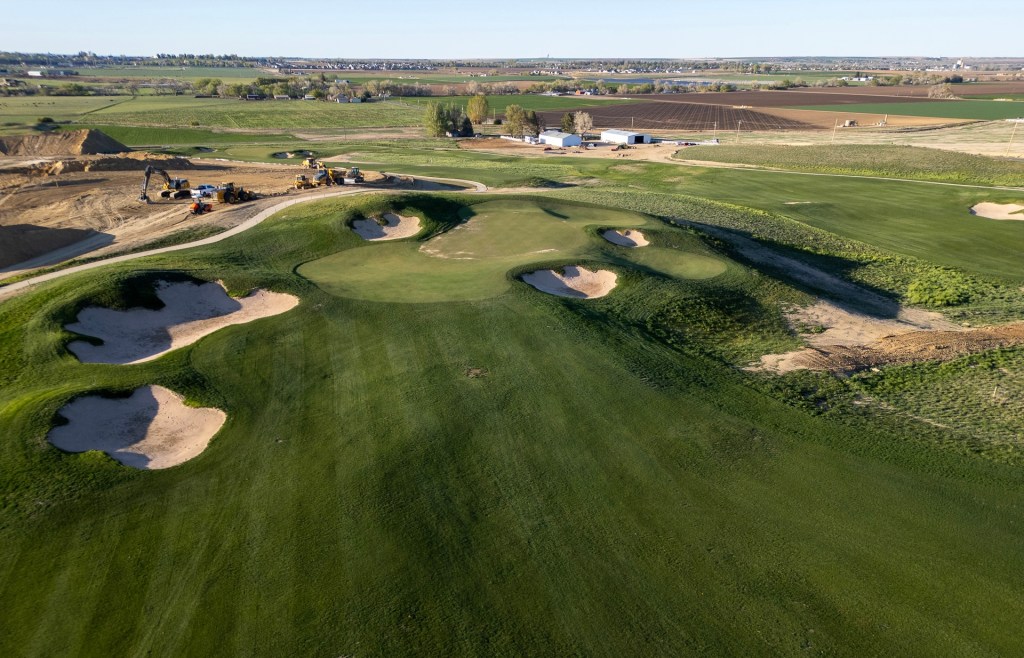

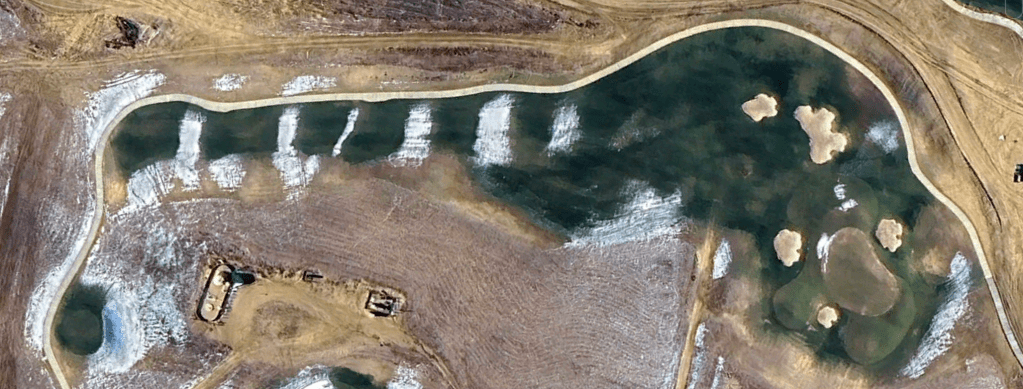
Ten: The par four tenth was one of the last holes to be grassed and was largely still growing in when we visited. The tee shot asks for a carry over a waste area and shallow valley. Challenging the bunker right shortens the second shot and provides a better look at the green – one of the smaller ones on the course.
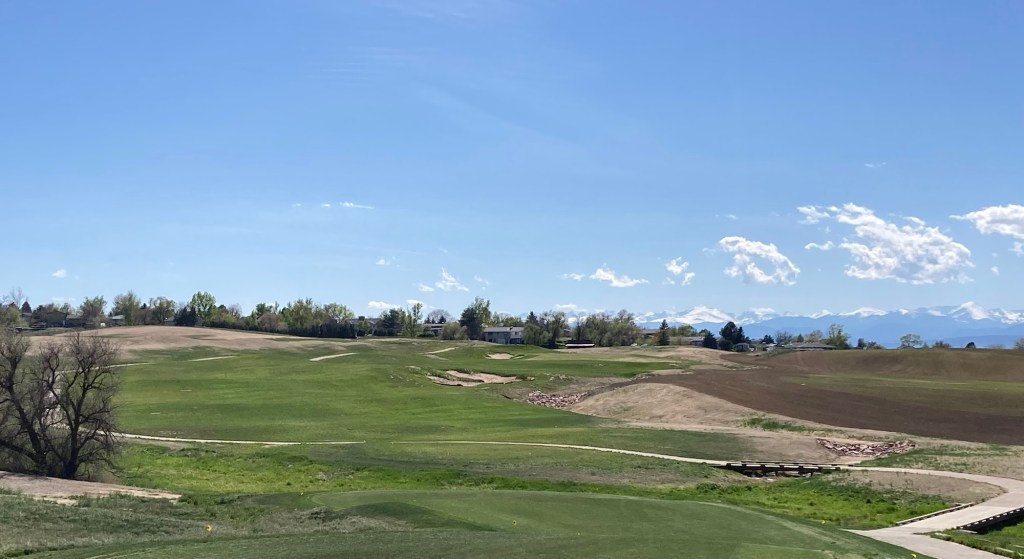
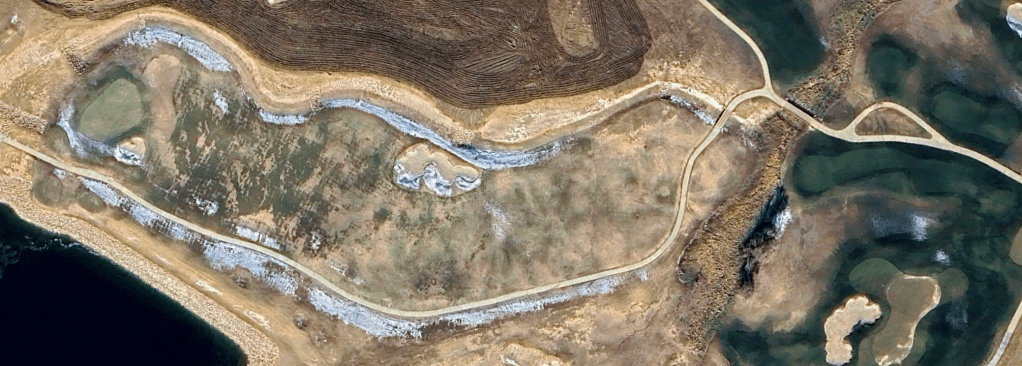
Eleven: A meandering par five with lots of options to be creative. The hole begins with a variety of teeing options that will set the scene for your strategy. The original boxes are set away from the water and make it so that an aggressive drive challenges the first bunker or lays back to a generous fairway left. Additional boxes were built directly on top of the dam that was built along with the course. Three bunkers jut into the fairway en route to an elevated green tucked to the right. This is important to keep in mind as you map out your strategy because the hole looks like it should be straight up the gut. The green has two bunkers inside of a hundred yards that look a like if the bunkers on the 13th at Torrey Pines South were in a single straight line. The green is long (150 feet long) and a bailout left will almost certainly result in being short sided and fifteen feet below the putting surface. As on eight, Augusta like knobs surround to funnel well hit shots onto the green, kick poor ones off, and be a roll of the dice for edge cases. Eight and eleven, the two par fives in the middle of the round, are fraternal twins.
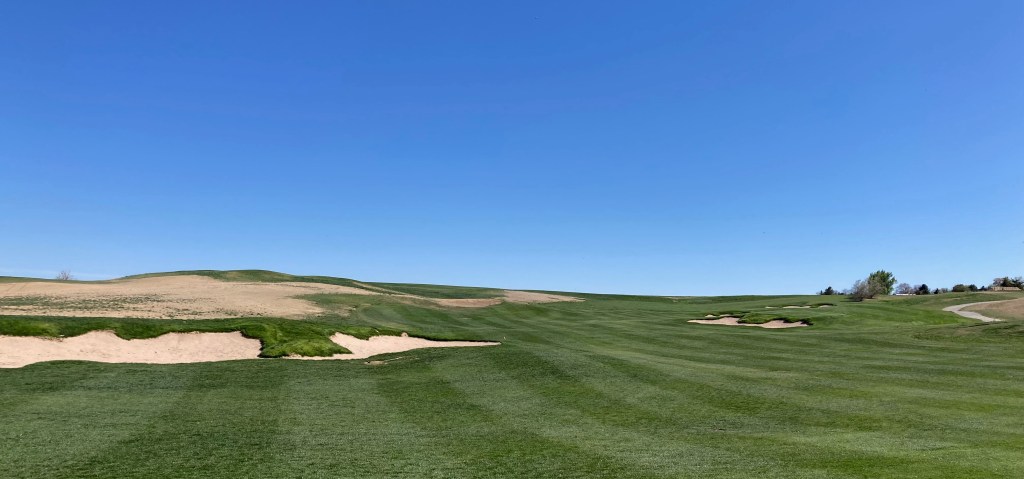

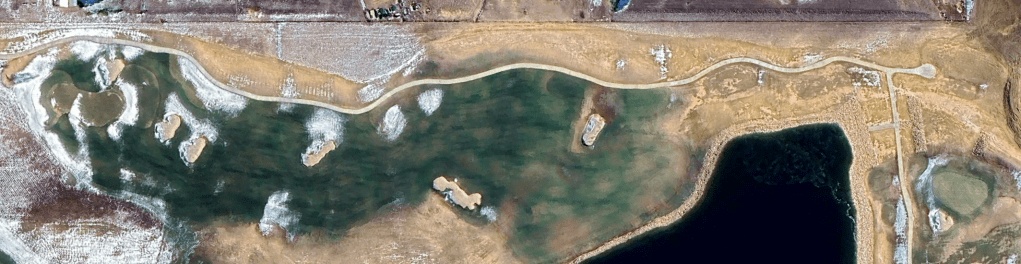
Twelve: While it may look like a Redan, Schaupeter made it clear that the burly ridge top par three isn’t one. The large mound is far short and right of the largest green on the course, necessary to receive anything that’s gets shot down at it. Flatter than most Redans (which this is not), there are a few more pin positions and a hidden back bunker to catch shots that are overly assertive, but also keep them from falling off the edge of the earth.
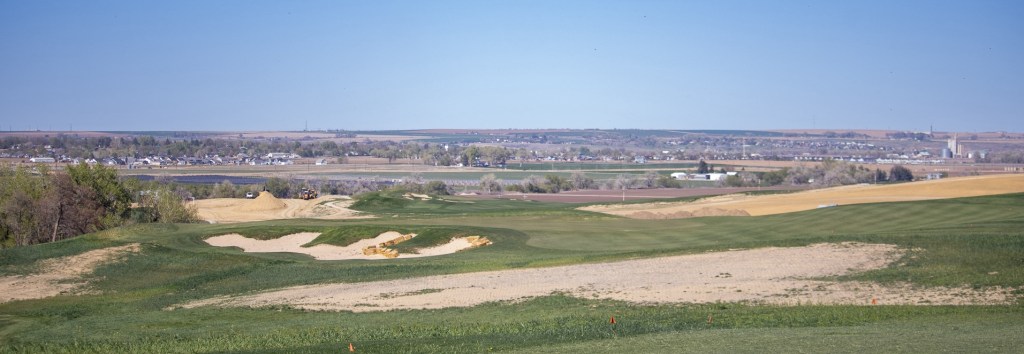
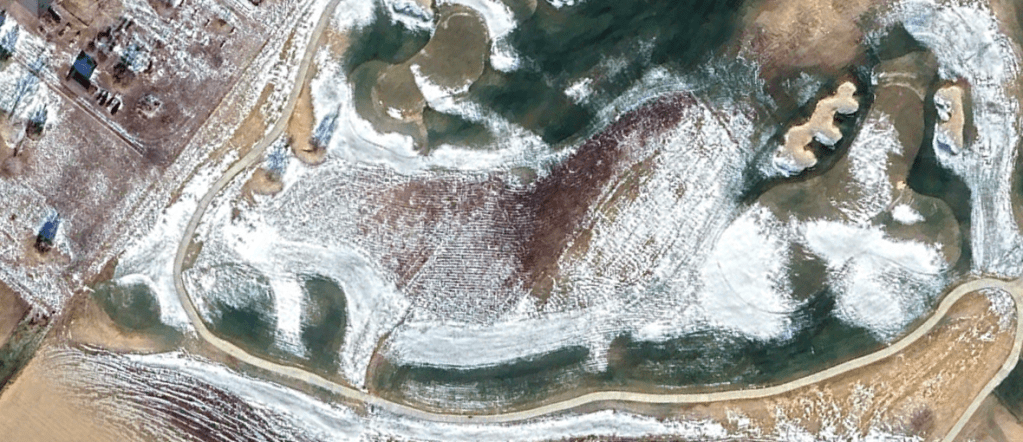
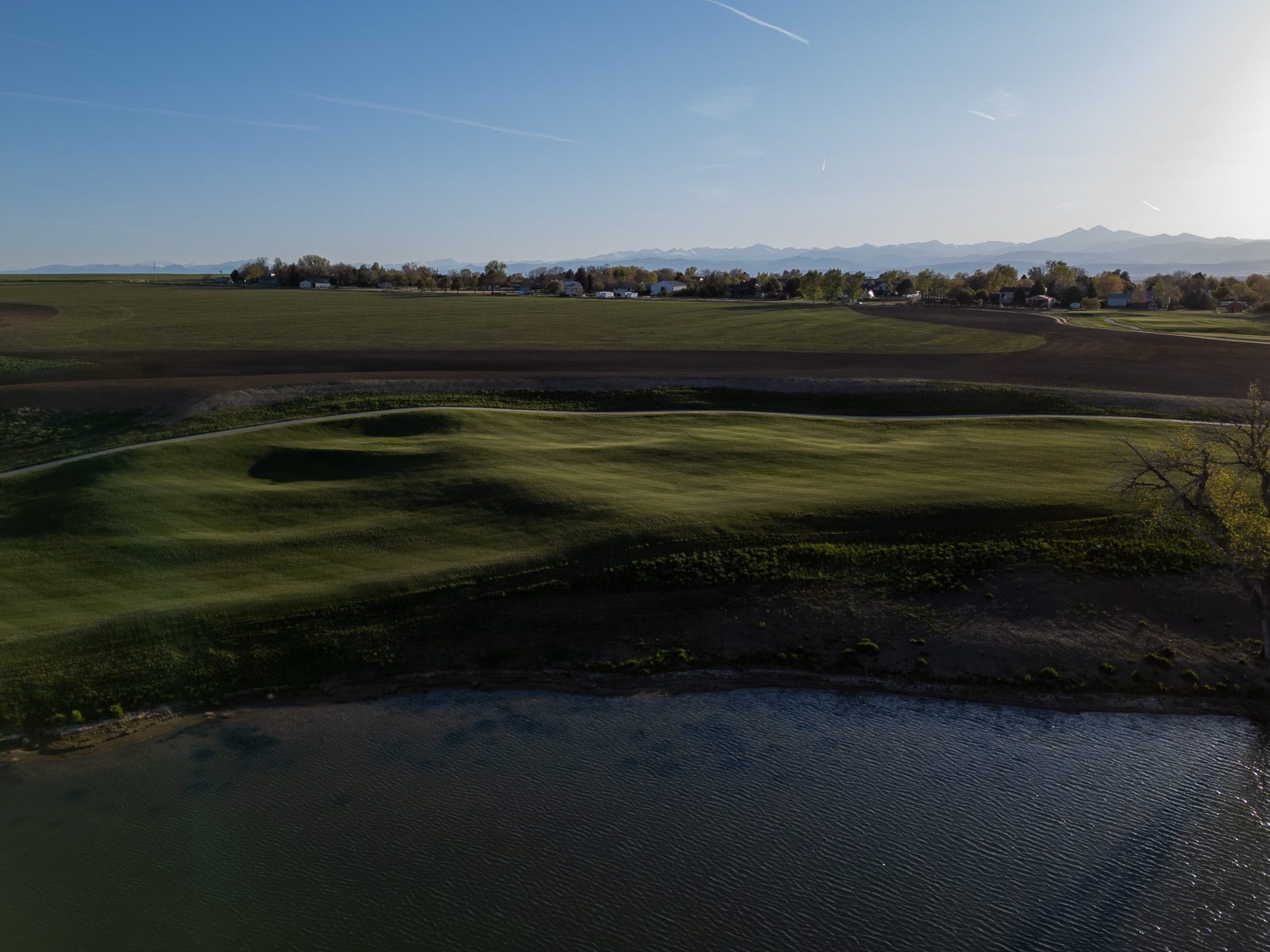
Thirteen: Along with the second, the thirteenth has some of my favorite fairway contours on the course. As you can see below, shelves are benched into the right side of the fairway to catch balls and keep them from continuing to run down the fairway. The boldest golfer can challenge the water on the left and find a kick forward that will leave them significantly closer with a good angle. The green is plateaued with nothing but slopes to defend it. There would be no shame in laying up to the fairway left in to get a better angle as certain misses could find themselves in the creek.
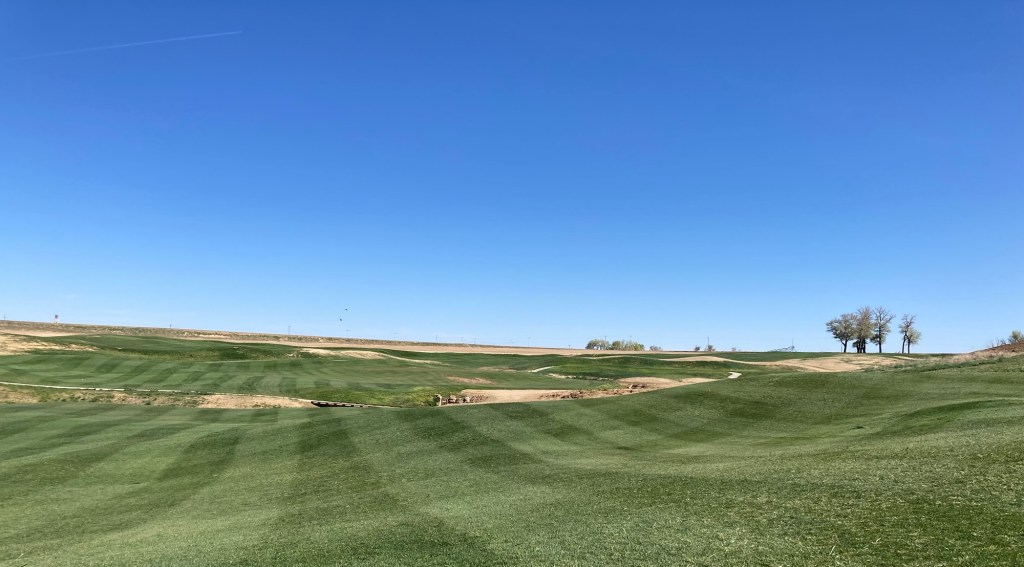
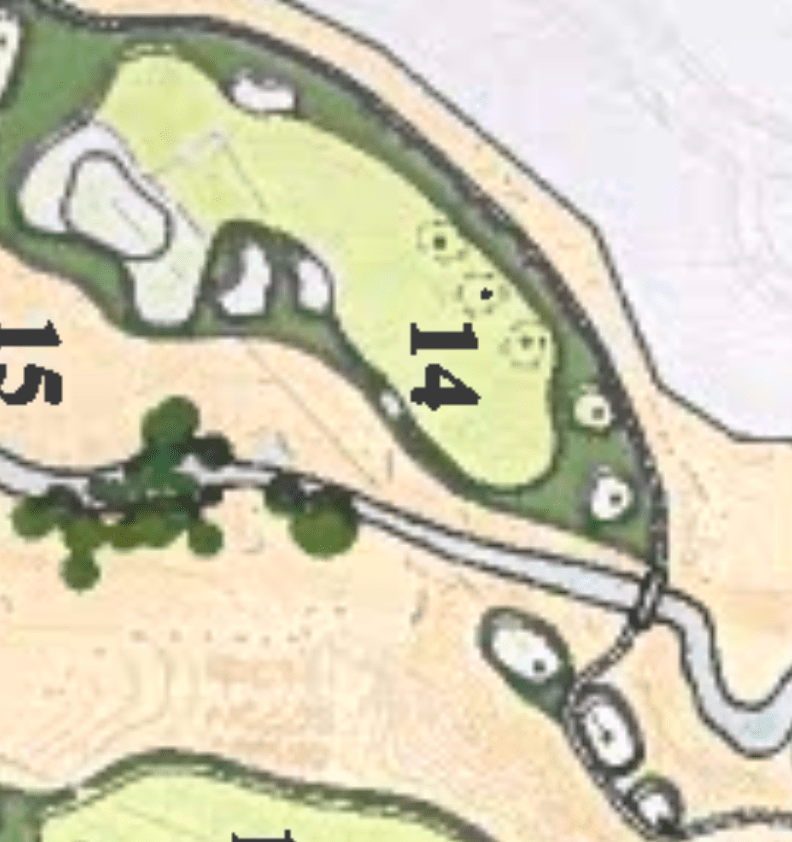
Fourteen: Schaupeter built the driveable par fours to crescendo and they truly peak on fourteen. The hole rises 30 feet over 210 to 265 yards for most players, with bunkers benched into the hillside short of the green. There is a lot of room to play it safe off to the right, but the less aggressive play isn’t necessarily the smartest as the angle is, like me in high school, blind and awkward. The greensite has three catch basins, two tiers, and a backstop.

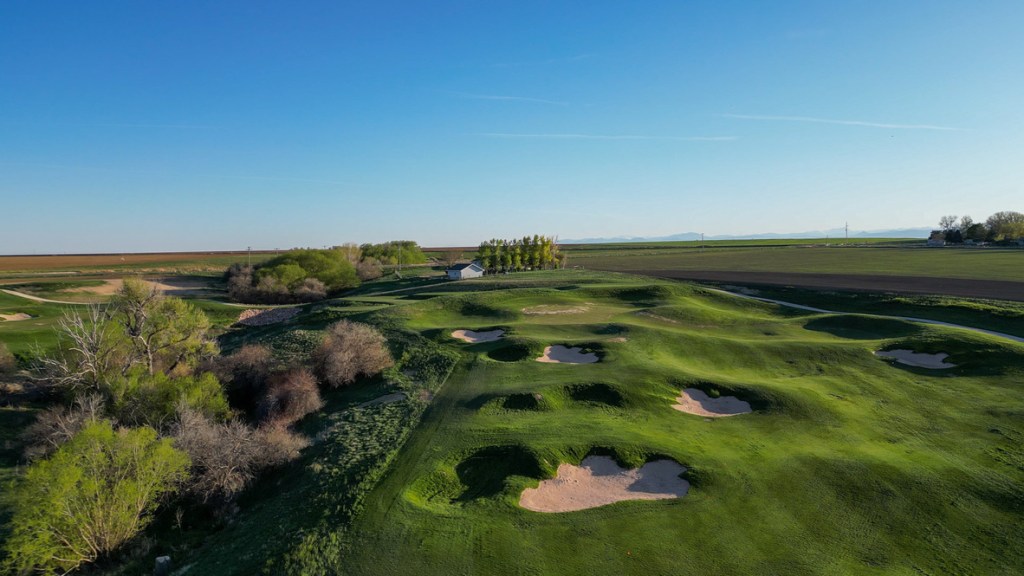
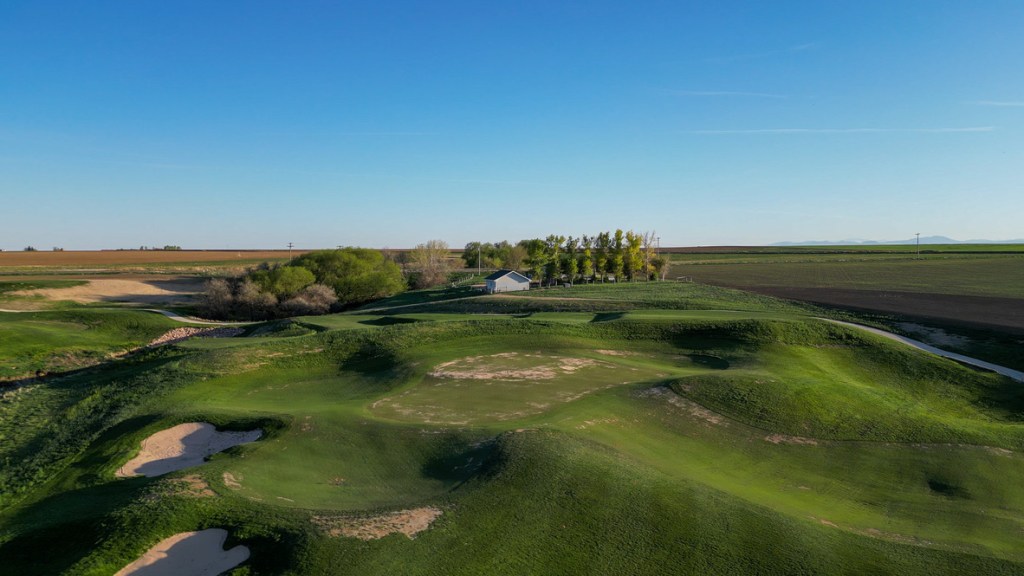
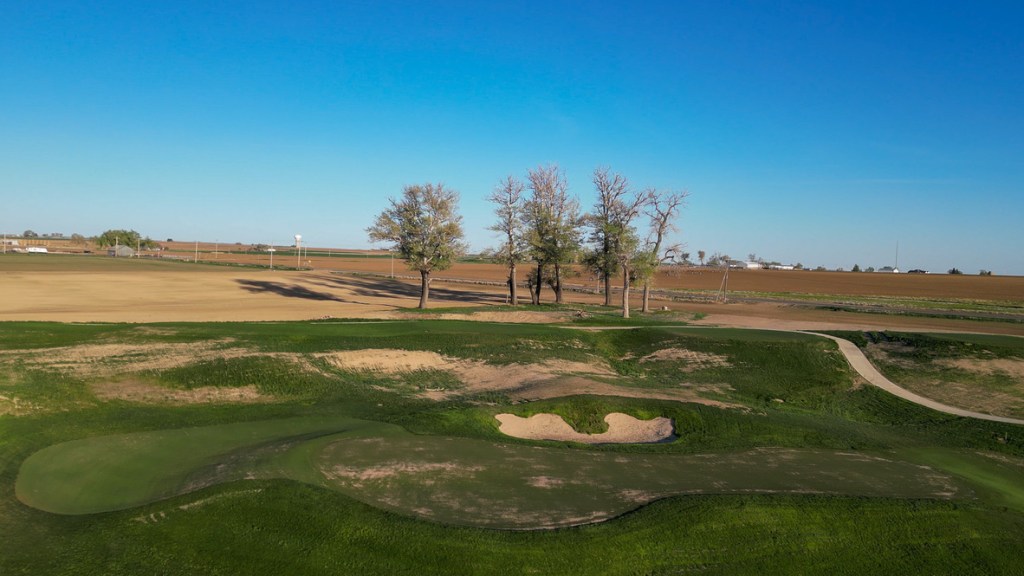
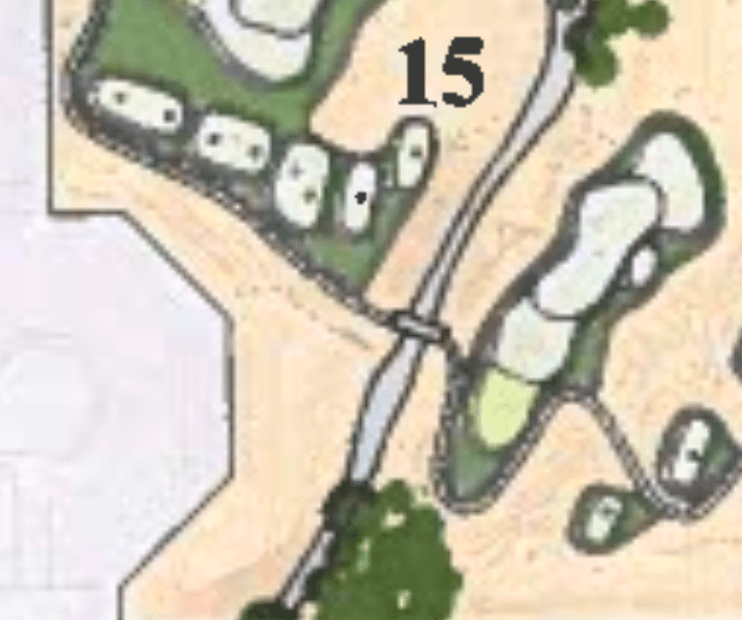
Fifteen: The ‘hole’ that started it all, the par three fifteenth is an ode to the Augusta’s famous 12th. There is a ravine short and one of the skinniest greens I’ve ever seen with a back bunker that should scare anyone. It’s two yards longer than the original Golden Bell hole but lacks the swirling uncertain winds that vex the best in the world every April. It also serves as the apex of the roller coaster as the next three holes are big, downhill, and the most fun on the course.
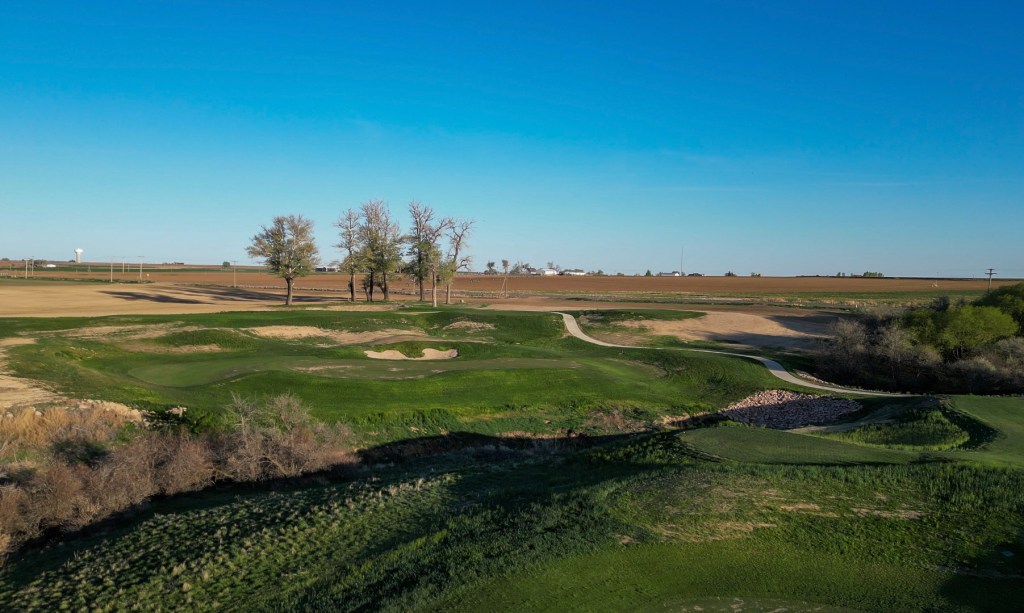
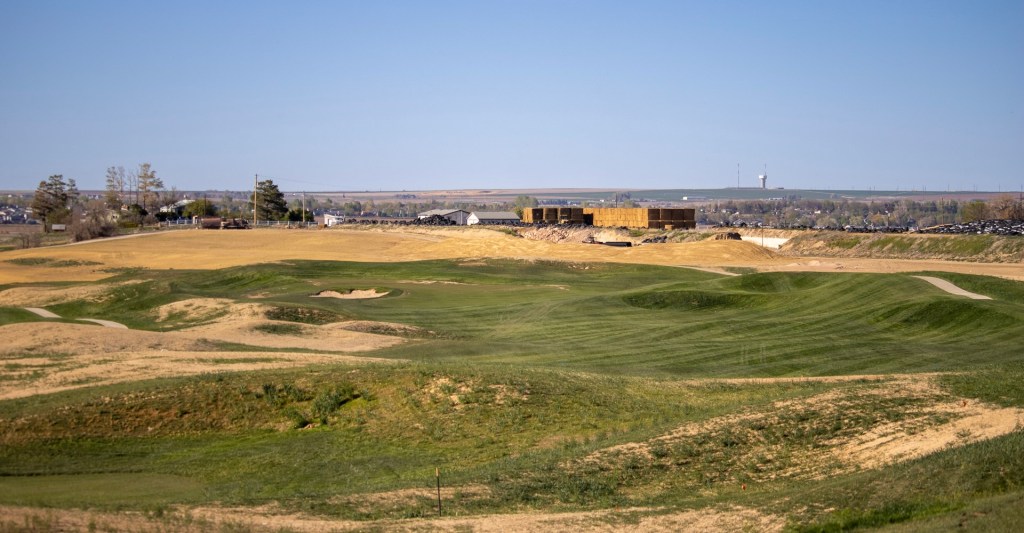
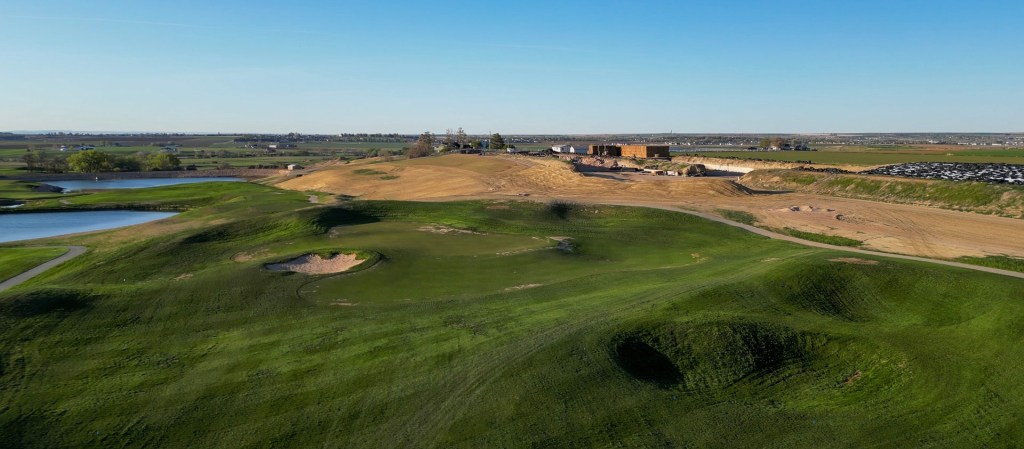
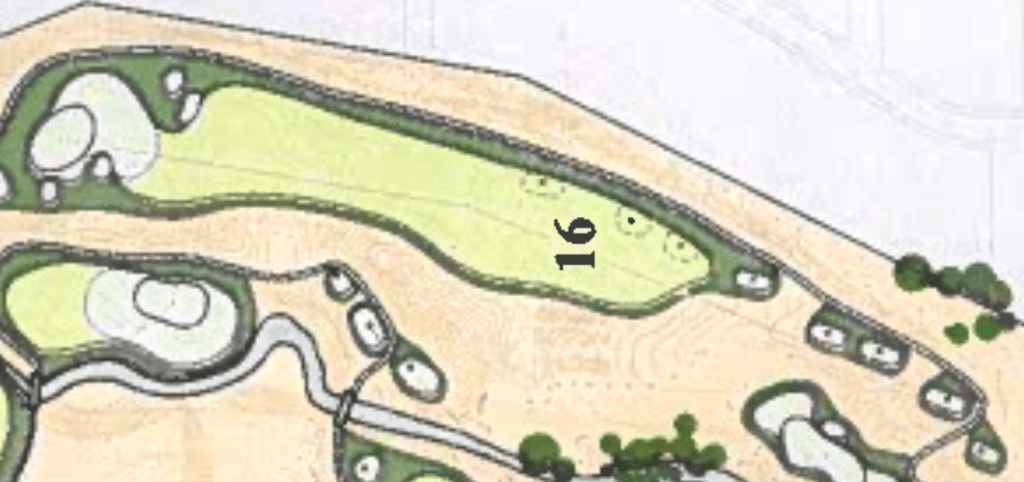
Sixteen: We begin our descent. The last three holes cover nearly a mile on the way back to the clubhouse. The sixteenth is the longest, widest par four on the course and you are encouraged to rip driver as hard as you can. The fairway trundles down with some big ridges running through the fairway and two high faced grass bunkers short right of the green that could be described as Langfordesque. The green is relatively small for such a large hole but will have a number of fun pin positions.
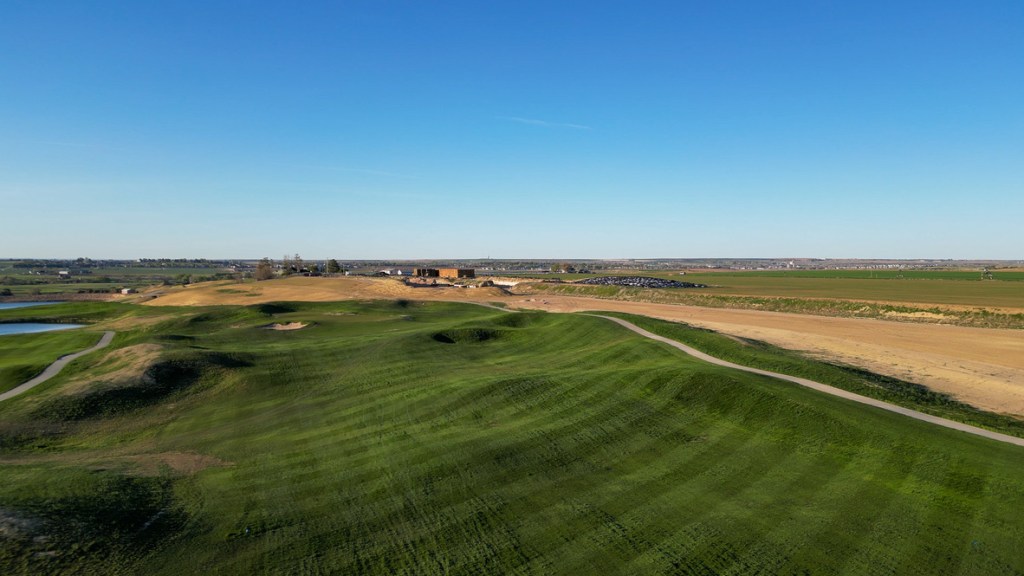
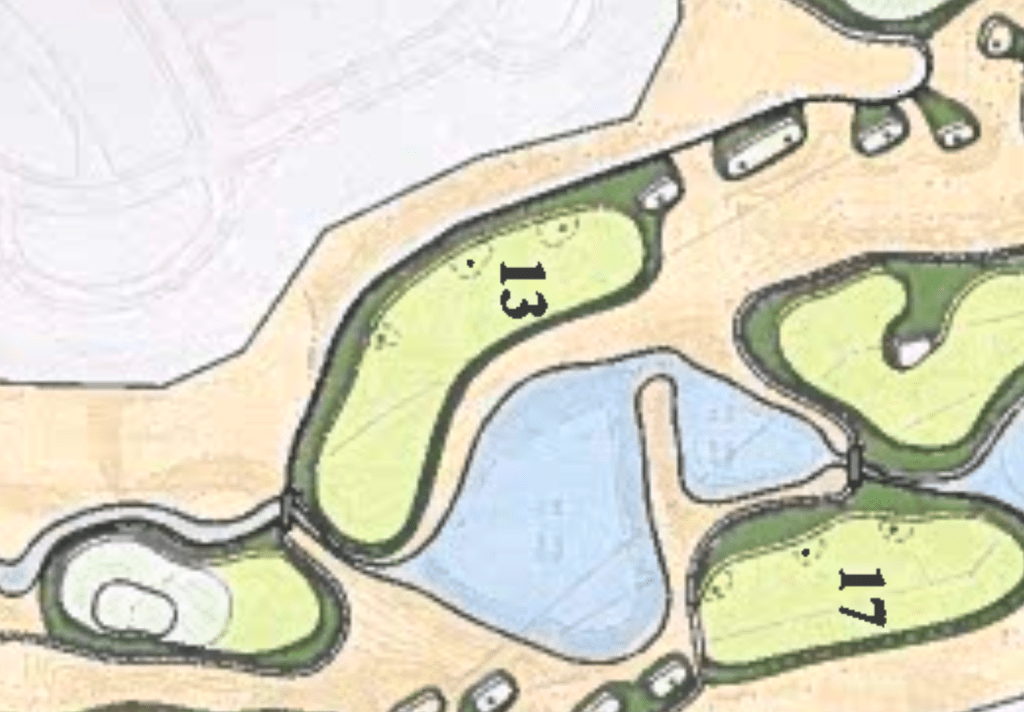
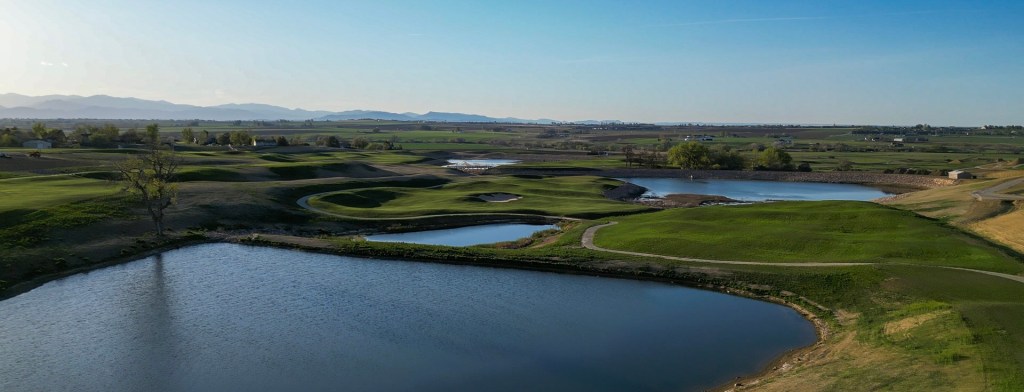
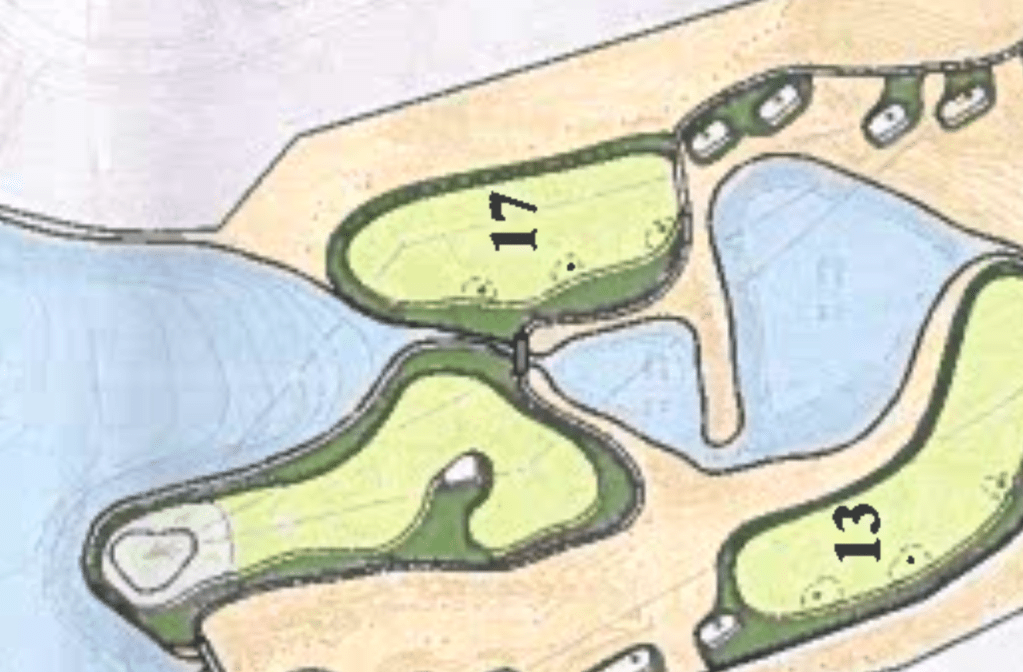
Seventeen: Alister Mackenzie’s influence on Bella Ridge is perhaps no more obvious than on this interpretation of the Lido hole. There are three water hazards here with the first, Lost Iron Lake, being the most significant. The wide floating fairway right is best played to with the intention of laying up as going for the green from here presents a bad angle over water to the skinny side of a peninsula green. The next option is to play to the far left side of the lefthand fairway which requires more of a carry but leaves you on the proper piece of land to approach the green. The most aggressive play is to the right of the centerline bunker on the lefthand fairway which, assuming you have the distance and accuracy, sets you up nicely with a much shorter shot looking down the barrel of the biarritzy green. Schaupeter cleverly built a berm to separate Lost Iron Lake from the smaller pond so that golfers who come up short of the left fairway have a place to drop and have something of a shot as opposed to taking three off the tee.

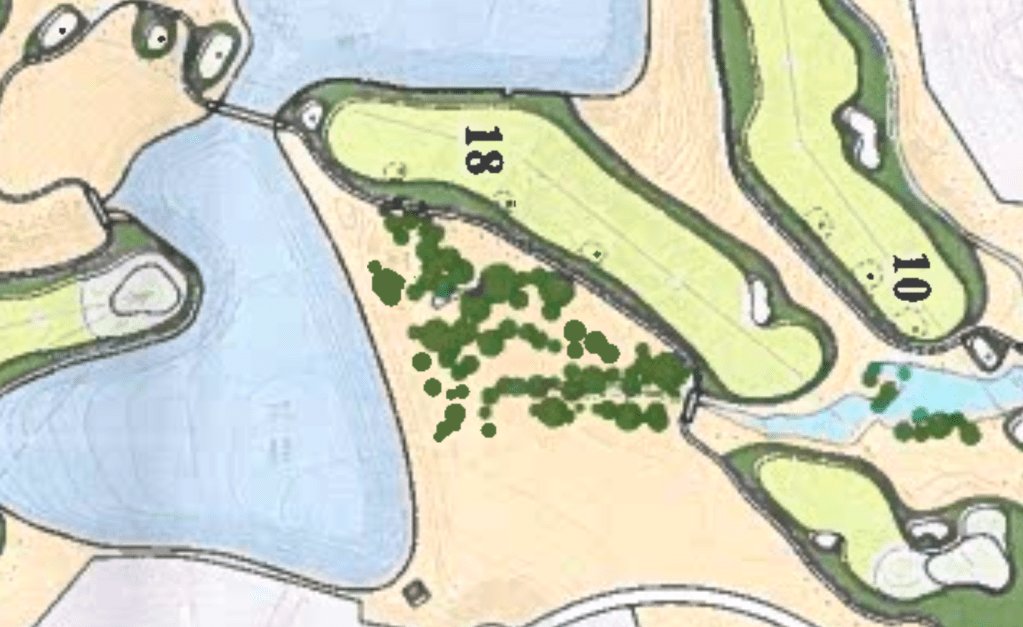
Eighteen: The final hole. The big kahuna. A beefy par five (670 yards from the very back tees) that doglegs right around a grove of trees and shoots down toward a creek before a green that is much more receptive than it looks but is protected by a large front bunker. A speed slot hides on the right side for those who challenge the trees and take on the inside of the dogleg. If you’re tired coming to the top of fifteen, by the end you’ll be reinvigorated and ready to take another lap. The eighteenth is a dramatic end to some of the most fun you’ll have ever had on a golf course.
Final Thoughts
Public golf in Northern Colorado has gotten sneaky good over the past fifteen years. Courses like Raindance and TPC Colorado offer “championship” layouts while the aforementioned Highland Meadows and the Mad Russian are more affordable and playable layouts for golfers of a variety of skill levels. On a municipal level, Loveland’s Mariana Butte and Longmont’s RTJ2 designed Ute Creek are exciting and original designs. To round it out, the only architect with more NoCo designs than Schaupeter is Frank Hummel, whose public offerings in Greeley and Fort Collins combine with Longmont’s Fox Hill Club to give golfers great options.
With a tentative opening of early fall 2025, Bella Ridge will rock the public golf scene in Colorado. Once the native grass grows in and the course has had a year or two to settle, I will challenge anyone to tell me that it isn’t the best golf course north of Denver. It will have infinite replay value between the myriad of options for getting to the greens and then finding the hole with the flatstick. If I think of more superlatives, I’ll add them. I’ve not been paid or promised anything to write this, I just think it’s going to be that good. Schaupeter said that his goal is to, “put the golf in the golfers hands. I put the course down and want you to go find it.” When it opens, go. Find it.
 Layman's Hall
Leave a comment