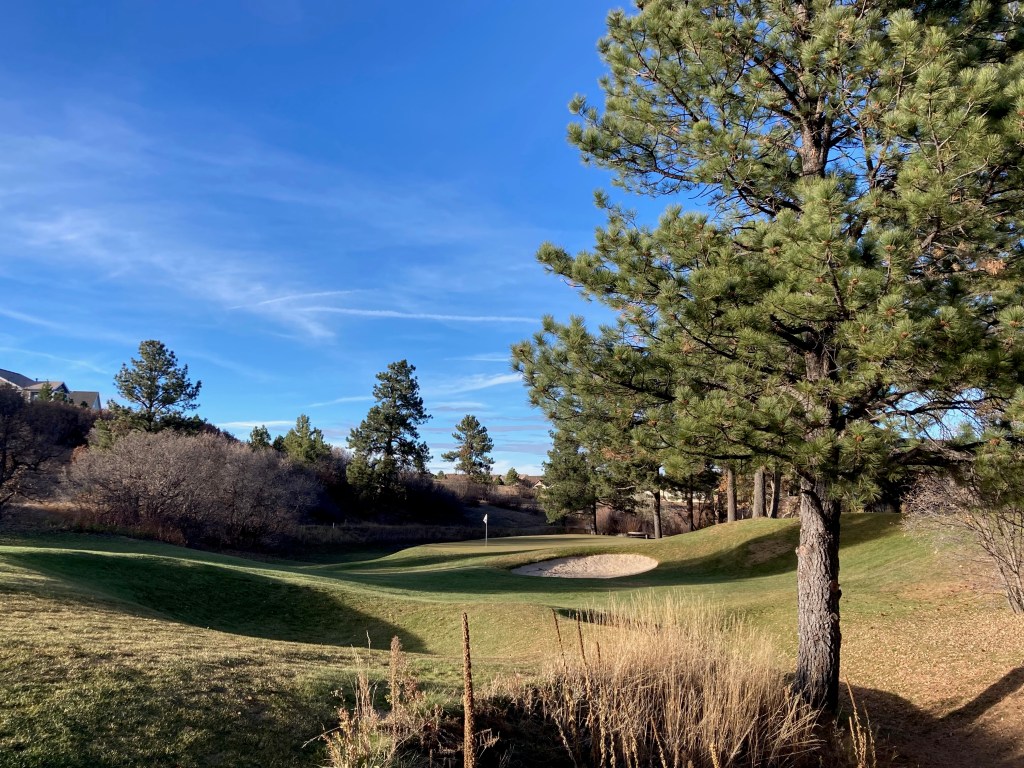
Architect: Pete Dye
Walkable: Yes. Though the walk to the first tee is a long one, most of the transitions are reasonable and none of the climbs are too difficult
Highlighted Holes: 1, 2, 4, 9, 11, 12, 13, 15, 16, 17
Pete Dye created one of the most distinct styles in golf architecture. Rather than build courses that looked like they were found in the land, he heavily shaped and contoured the land to create exactly what he pictured. His bold contouring was as much art as golf. For as exact as the lines are, Dye didn’t didn’t draw detailed plans of each hole but made decisions on the fly, a tactic that architects like Bill Coore and Tom Doak learned from their time working for him. As a result, each of his courses is distinct. He wasn’t fond of templates or repeating himself, though had some concepts that were worth repeating.
The course was built in 1984 as the Tournament Players Club at Plum Creek with the intention of hosting professional tournaments, which it did for four years between 1984 and 1987. The Senior Tour’s Denver Post Championship of Golf was won by the likes of Gary Player and Lee Elder. TPC courses were designed for spectators with mounding around the course for fans to watch players come through without the need for grandstands. Plum Creek has this throughout.

From the wrong tees, Plum Creek is undeniably hard. Blind tee shots, out of bounds, long par fours, water, and heavily contoured greens make being out of position perilous. At the same time, there is classical strategy where challenging certain hazards is advantageous. Aggressiveness will be rewarded or harshly punished. Restraint keeps you alive for the next decision.
Unfortunately, the course has lost quite a few bunkers from its original design, notably wide sandy waste areas on the par fives: five, eight, eleven, and fifteen, as well as the par four third. Smaller bunkers behind the seventeenth and a waste area in front of the twelfth are completely gone as well. For playability and pace of play purposes, these changes make sense, but it does take away from the original intent.
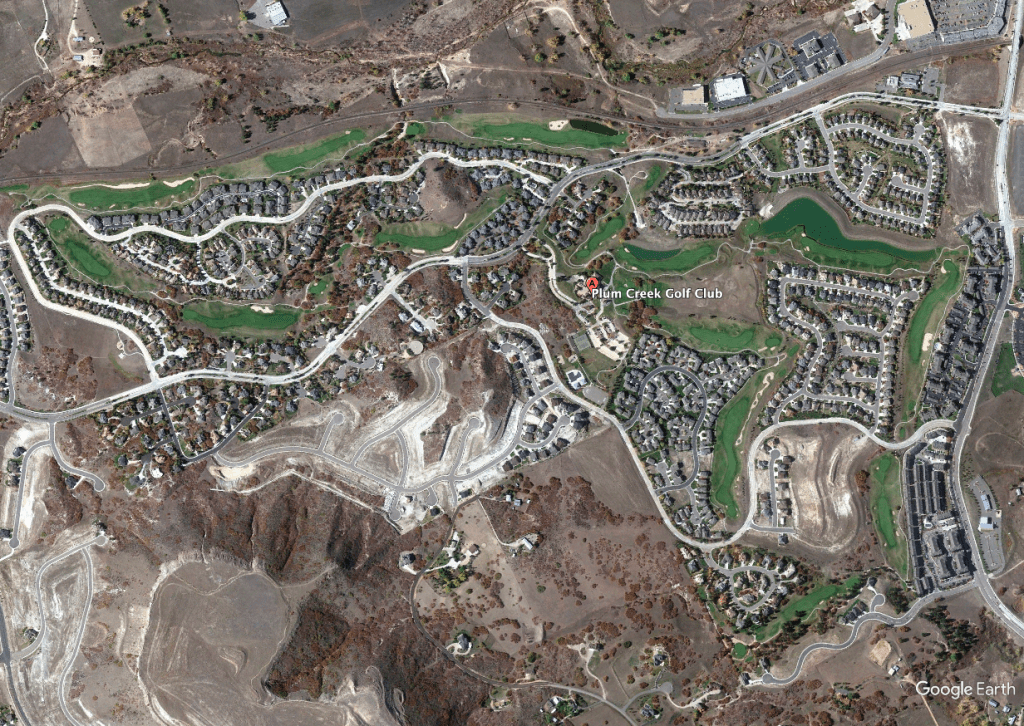
While there is housing built on almost all sides of the course, it never feels suffocating. The front nine is a clockwise loop and the back is counterclockwise. The front starts at the top of a hills, plays down through pines to flatter land along a railroad track, past a naturalistic pond and back up to the clubhouse. Interestingly, the back nine has only two uphill holes, but the four downhill holes and three flat ones are no reprieve. Sixteen through eighteen are a brutal finishing stretch, the kind for which Dye is well known. The course is hard and ends harder. I walked in even and out four over.
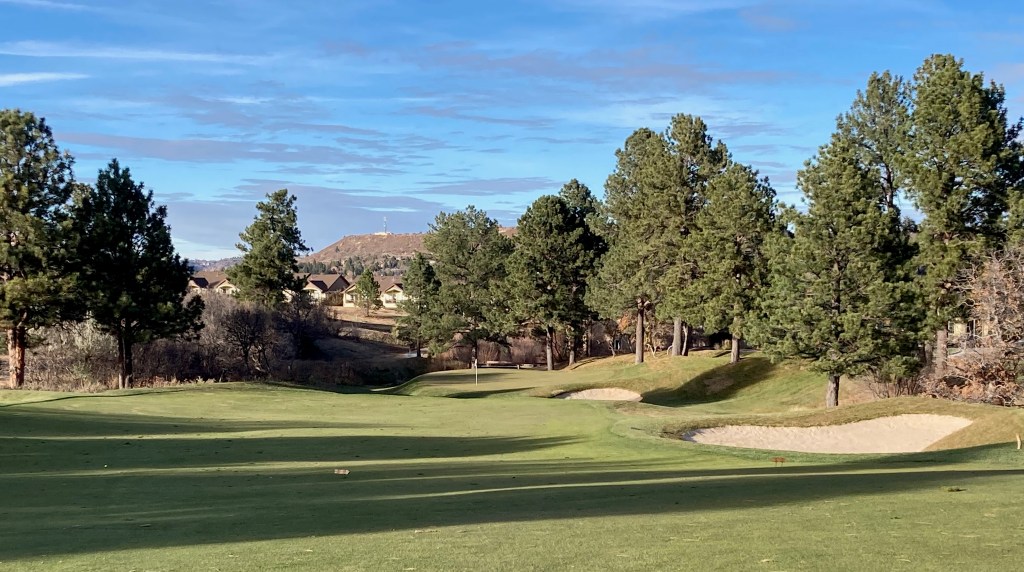
One: The par four first plays around a prominent hill that obscures everything but bunkers and the hint of a fairway. An aggressive drive across the corner will find open rough provided that it isn’t too far right and out of bounds. A safe shot short of the sand reveals a larger than expected fairway and a downhill approach to a flat green with a kick pad front left. A delicate wedge in is ideal as shots long and right will tumble down a steel grass face.
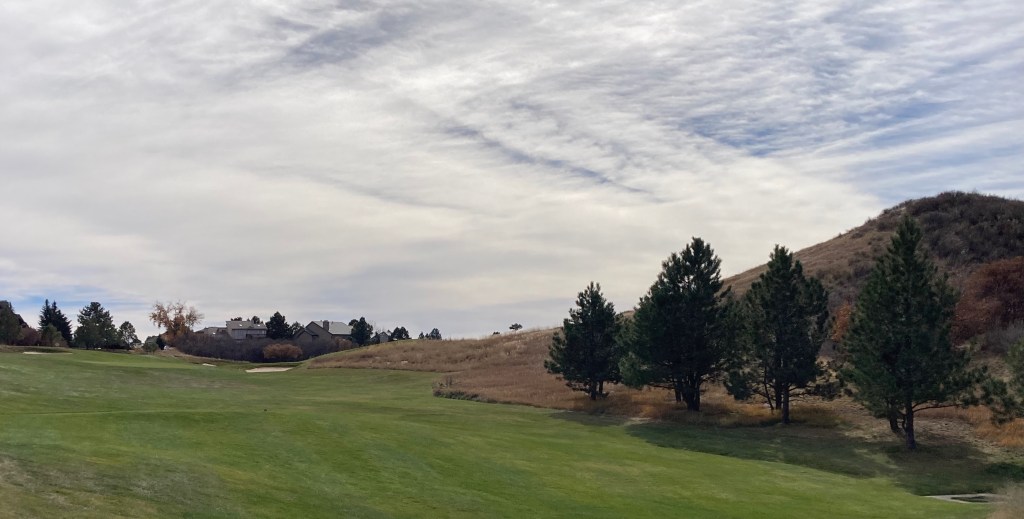
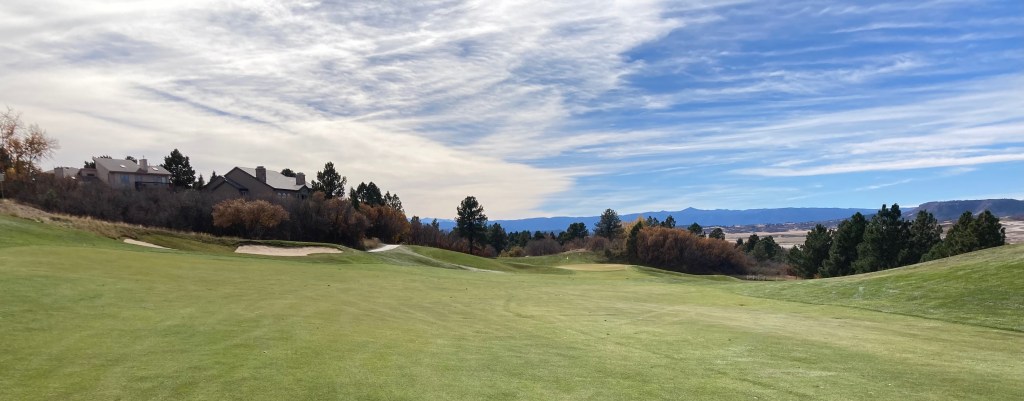
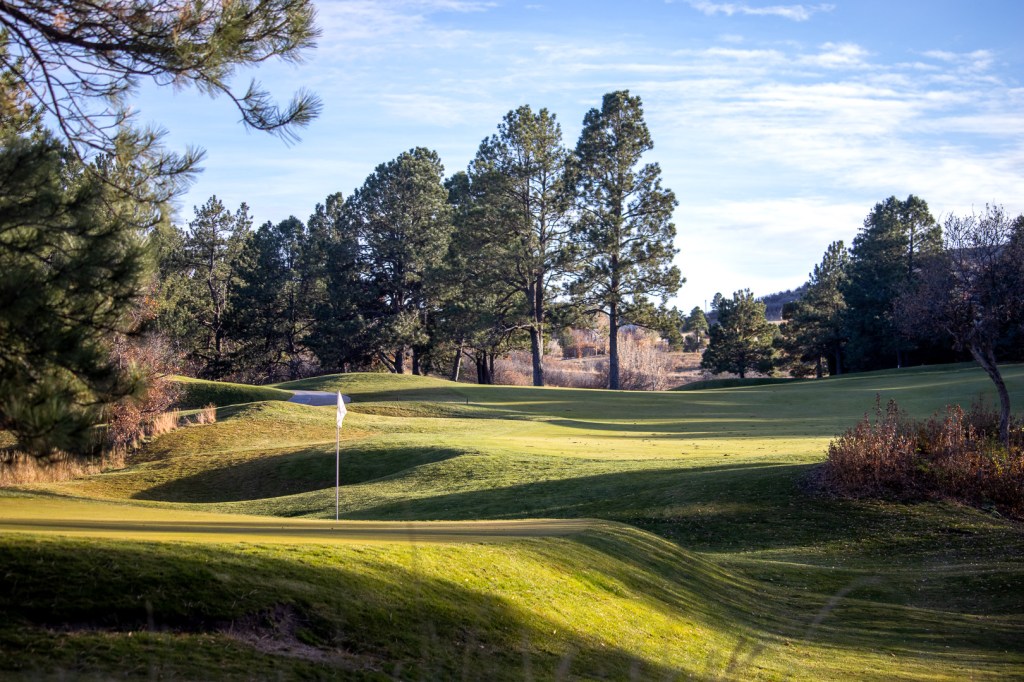
Two: The par three second is nicely framed by pine trees and bunkers front left and center right. The green flows with distinct front and back sections but runs away to the back left. It’s a charming hole and, along with the first, creates a nice start to the round.


Four: The fourth is a more ‘traditionally Colorado’ scenic downhill par four that’s driveable for the longest hitters and full of trouble on both sides. Houses and out of bounds lurk for folks pulling driver without conviction. Three round bunkers guard a heart shaped green that has two upper sections that slope hard down to one in front in what could be considered a loose interpretation of a double plateau.
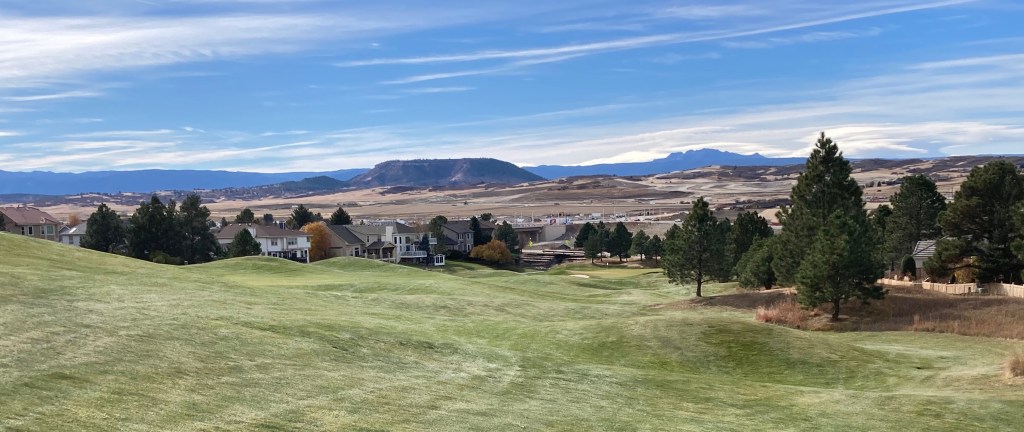
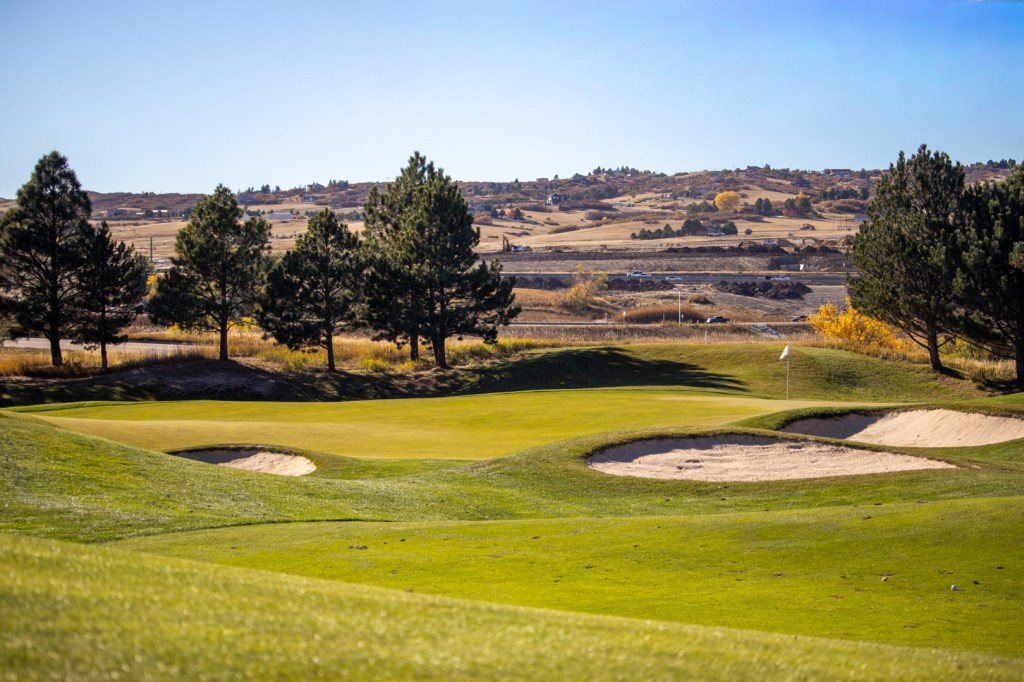
Nine: The ninth is short but demanding par four. From an elevated tee box, the first half of the fairway is surrounded by trees. The bunker left should put the brakes on golfers with driver in their hands who are feeling aggressive. The green is small, elevated at an angle, and guarded by traps.

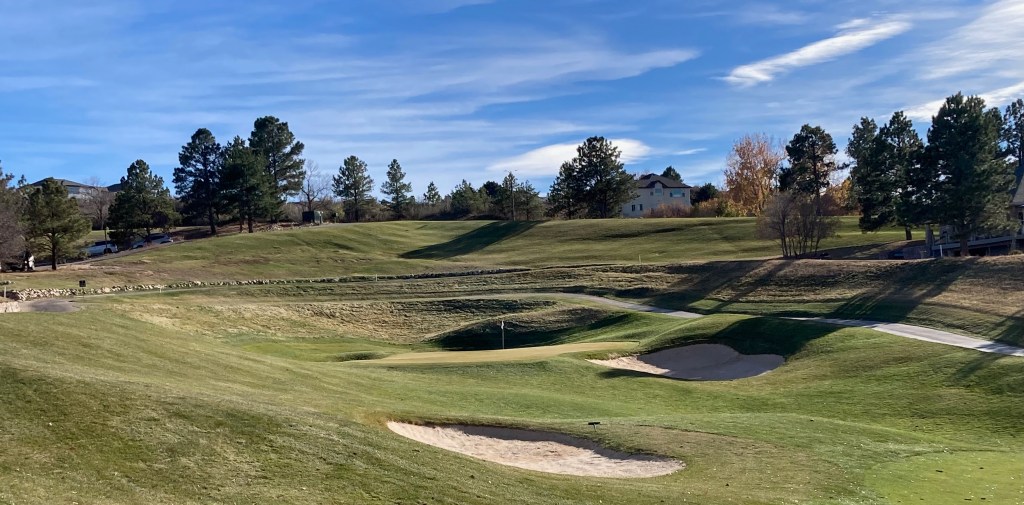
Eleven: The eleventh is a par five that winds uphill with stark, layered contours along the left side of the hole. The tee shot is taken at an angle with a “bite off as much as you can chew” aura. A long swale that was once an intimidating bunker sits in front of the box and to the left of the fairway. Going for it in two is demanding, but so is a layup as the fairway significantly narrows as it weaves to the green.
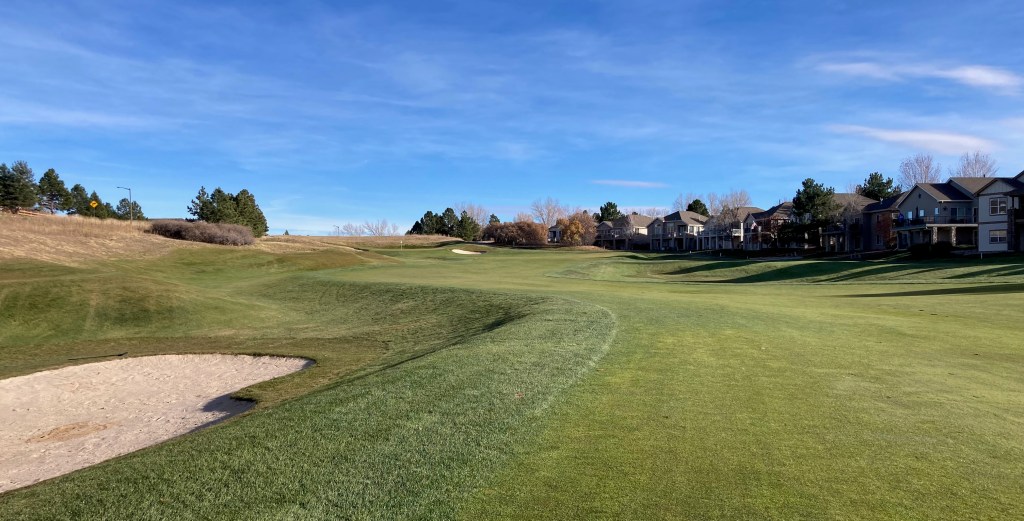
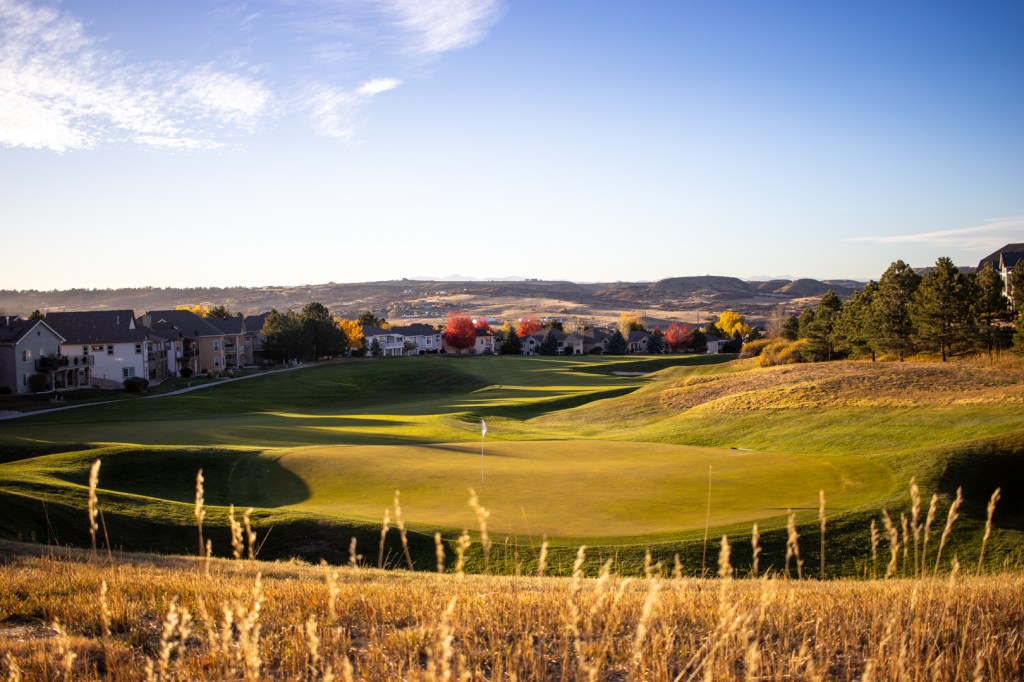
Twelve: The transition from eleven to twelve is one of the only long walks between holes on the course. You emerge at the top of a vista overlooking the surrounding hills and a rather expensive farmhouse. Visually, there’s a lot going on at this tee box. You can’t see it from up top, but the green is perched above a large washout (formerly a waste bunker) that offers more room to miss than it looks. The green slopes back to front with two distinct sections.
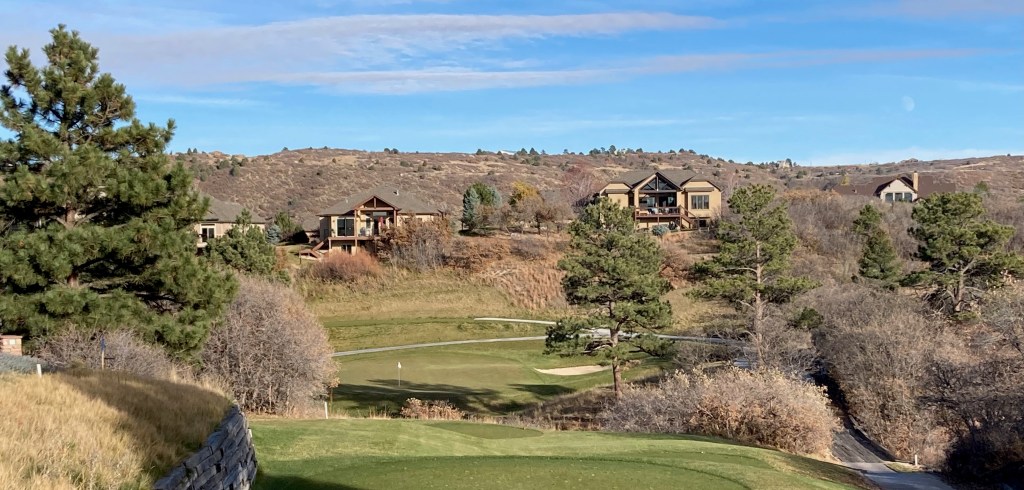
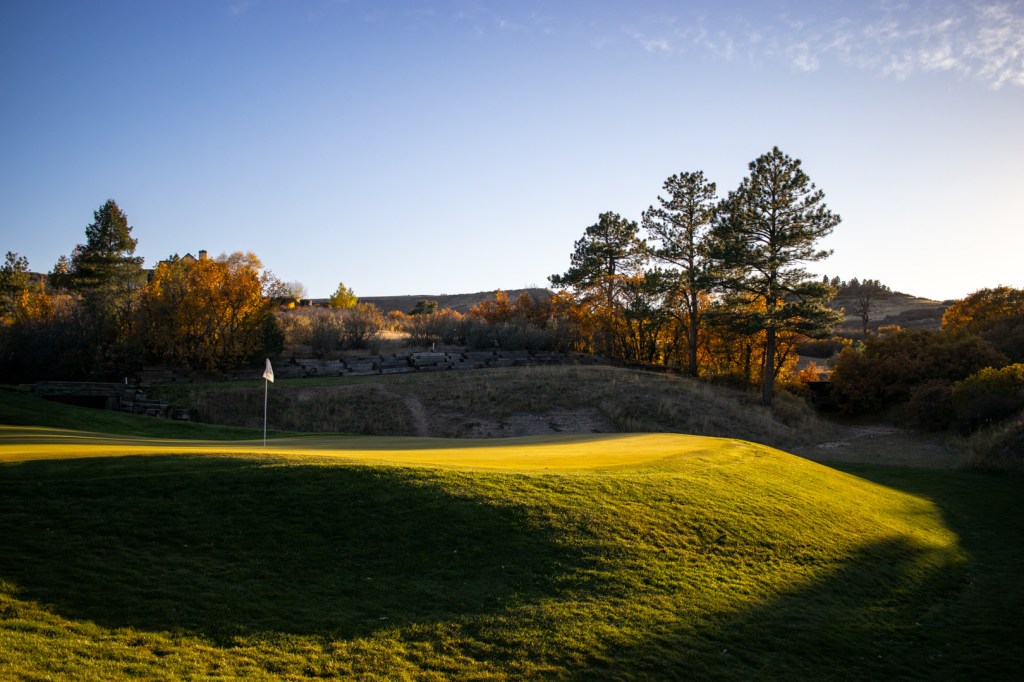
Thirteen: The short par four thirteenth is a stunner. From the tee you can only see the first half of the fairway as the green is blind. Pine trees run along the right side hiding the slight dogleg. The hole turns between the last two pine trees which look stacked on top of each other but are really some 100 yards apart. Aggressiveness is as likely to leave you in one of the bunkers or waste areas right as it is to give you a short shot in. The green looks smaller than it is because it’s long and slopes hard on the right side, blending into the background above the bunker.
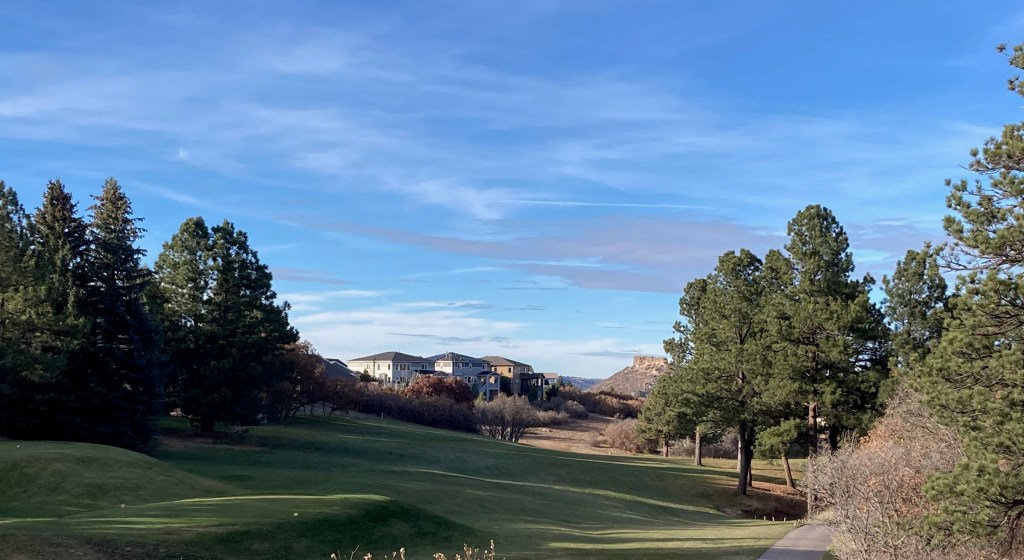
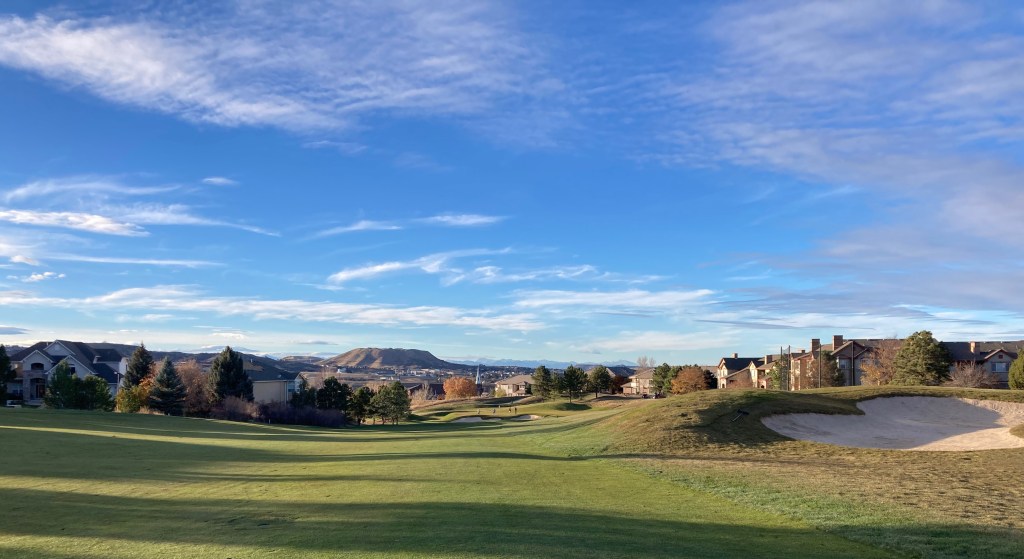
Fifteen: This par five winds down a hill and has the most spectacular view on the course. A drive left of the bunker will leave an open look at attacking the large green in two. While the vista is breathtaking, the green steals the show. The almost fifty yard wide green has a gettable flat section on the right and a deceptively big section left with a backboard and gentle rolls that look like the edges of a crepe.
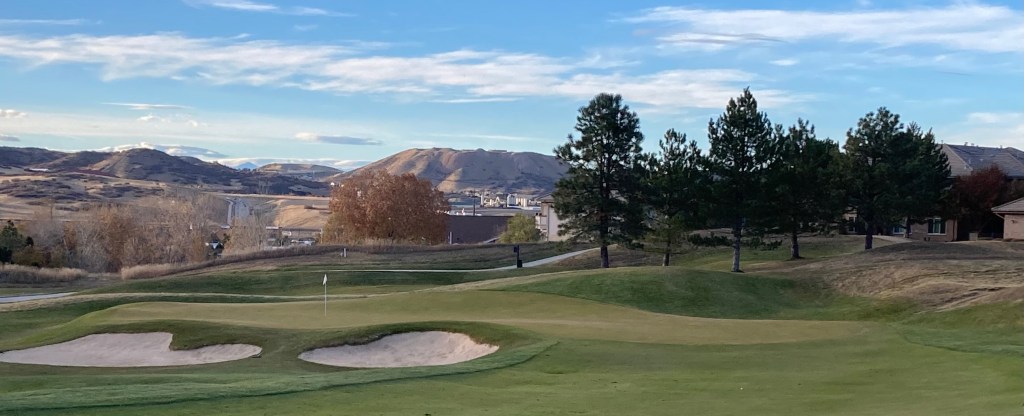
Sixteen: We’re now squarely in stereotypical Pete Dye territory. Long par four, water running the length of the hole, and a green perilously close to the lake. A safe shot to the left takes the water out of play to start, but makes for a difficult approach requiring an exacting mid or long iron that needs to stay out of the left bunker and on a fifteen yard wide green. Regardless of what influencers will tell you, there’s no shame in laying up.
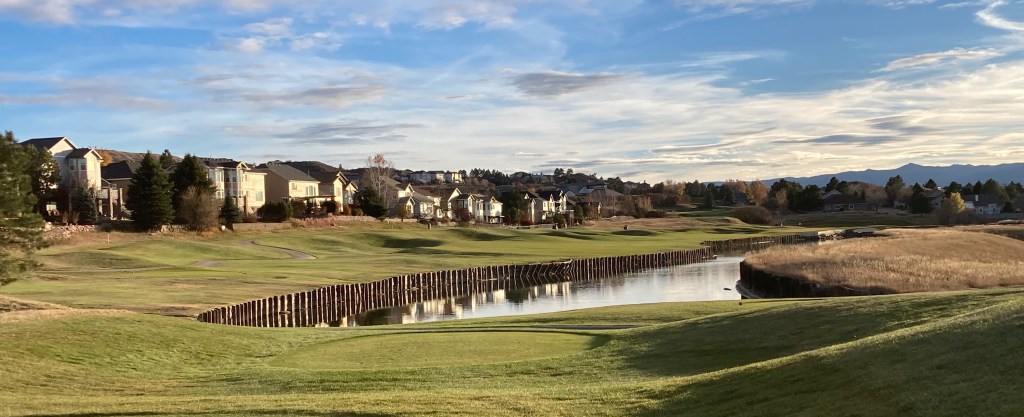
Seventeen: This is an uncomfortably short par three, entirely over water to a wide green running back to front with a couple of fin-like ridges that make recovering from over the green especially tricky. If this hole was any longer, it’d be impossible. Don’t get cocky just because you have a wedge in hand.

Final Thoughts
Pete Dye is one of the most influential architects of the second half of the 20th century with a style that is unlikely to be mistaken for that of anyone else. Plum Creek is well routed over rolling land that offers expansive views of Castle Rock while at times feeling like its meandering through mountainous pine forest. The greens are well contoured with multiple interesting pin positions. There’s no getting past the fact that it’s a difficult golf course – more so than its sub-7000 yardage would suggest. While opinions on Dye are split, consider me a fan, and Plum Creek is worth seeing if you’re in the area.
 Layman's Hall
Leave a comment