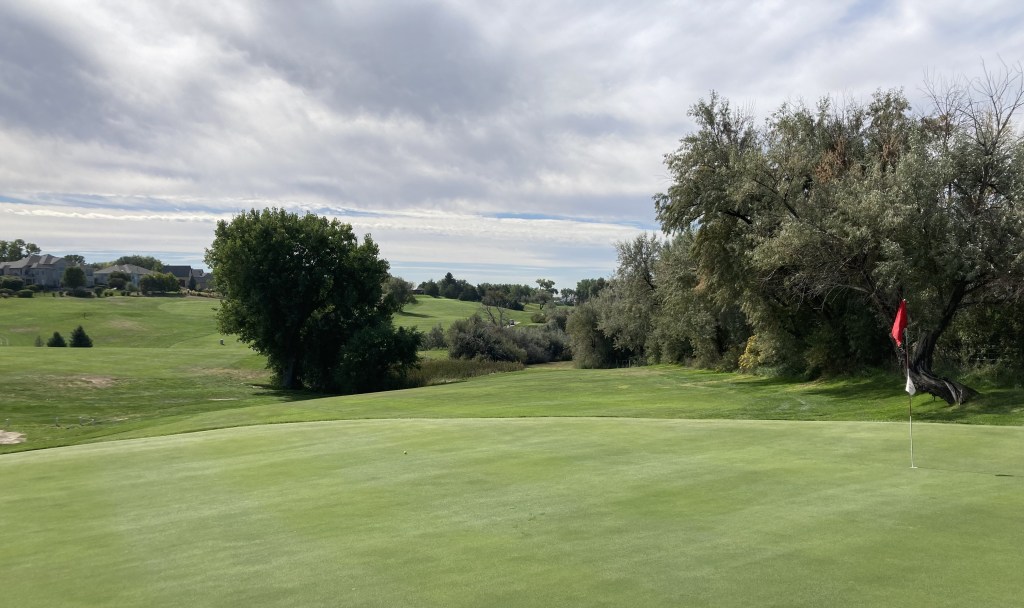
Milliken, Colorado
Architect: Ted Blehm, Dave Tooley
Walkability: Doable, but it’s a climb. There is no walking rate and they strongly encourage (if sometimes demand) that you take a cart. As if walking is slower than riding. Pah.
Highlighted holes: 1, 2, 3, 4, 6, 7, 8, 11, 13, 14, 15, 16, 17
Like many elements of modern life, golf architecture sometimes takes itself a bit too seriously. The humorous side gets lost when people overvalue the modern PGA Tour pro’s mantra for good design: fairness. We see few courses where the architect took a risk to create a truly memorable hole, and others where the designer failed to utilize a natural feature that might add a touch of humor to the design.
-Geoff Shackelford, Grounds for Golf
The Mad Russian is a unique golf course. In places, you’ll wonder why holes seem dropped into what could be more accommodating land. The routing doubles back on itself, but also allows you the option to ‘sneak in eleven.’ On some holes you may question whether you’re even supposed to be aiming for the fairway and if so, whether the ball’s supposed to stay there. And you wouldn’t be wrong to wonder. But if you throw your thoughts of strategy and fairness out the window, take the course as it is, and embrace the quirk – you’ll have a fantastic time.
The story goes that Russian immigrant Ted Blehm’s reputation as a bar brawler kept him out of area country clubs. Despite knowing little, if anything about golf, Blehm enlisted Greeley Country Club superintendent Dave Tooley to help build this fascinating roller coaster of a golf course pieced together on once rolling farmland bisected by ravines, gulleys, hills, and valleys. Blehm’s tale can be read in a 2003 Golf Digest article and 9News segment, both of which are linked at the bottom.
Starting with the first couple of holes, you’re introduced to a theme of charmingly wide fairways. The third, fourth, and fifth holes poke out, through, and around a housing development and bring you back around to the belly of the course. The course’s two lakes come into play on only three holes but do so dramatically as they require forced perpendicular carries to fairways on the other side. The back nine serves as a contrast to the openness of the front. The fairways tighten, the holes shorten, the hills grow, and the temptation rises. The funhouse movement of the fairways is most pronounced here. Don’t miss the other architectural curiosity to the left of the green on the 17th: a rotating house built by none other than the Mad Russian himself. After all, every Tzar needs his palace.
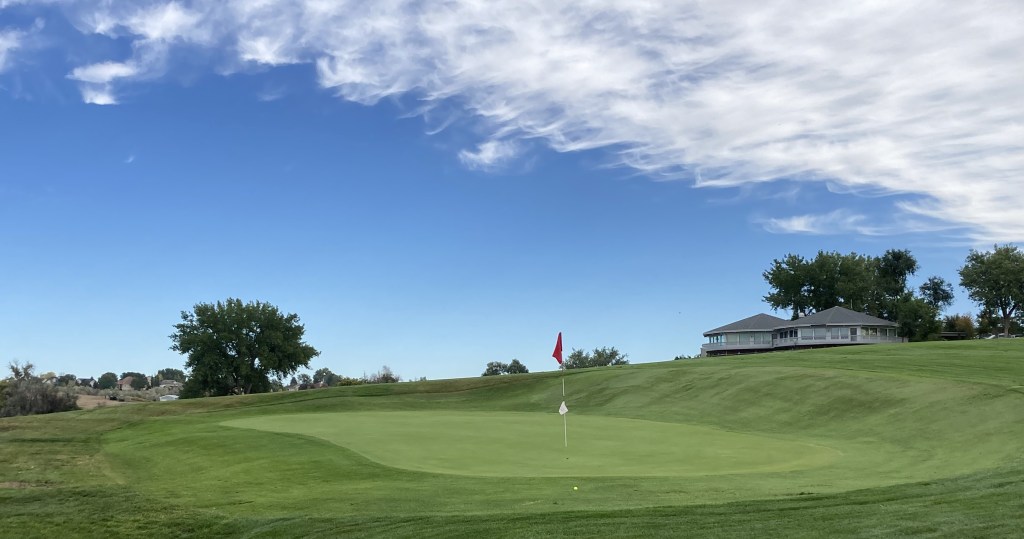
One: The first hole is short, downhill, and wide – the first of a few that are charmingly fat. From the tee you can only see the top of the flag peeking over the hill. The green drops off at the back and the front hosts one of the property’s seven bunkers. It’s an auspicious start to a course that, upon surveying it from the clubhouse, looks like it shouldn’t work at all.
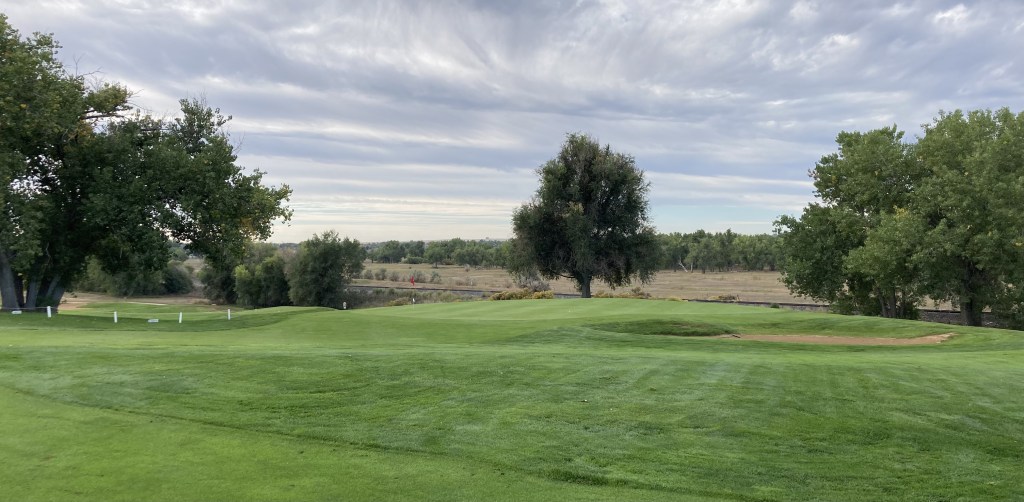
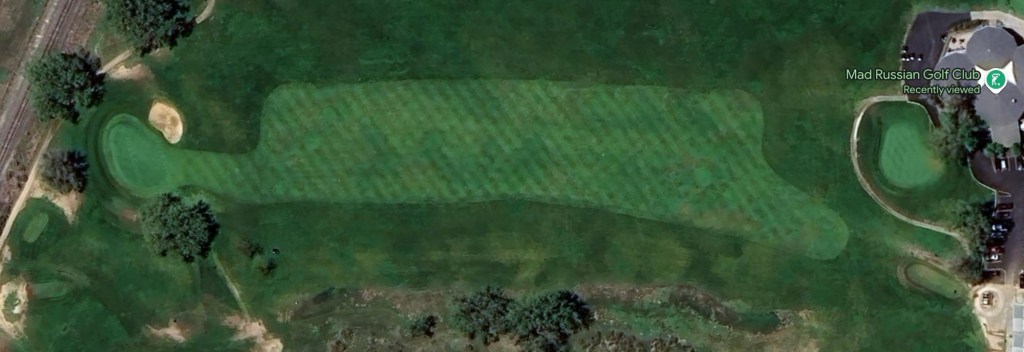
Two: What goes down, must come back up. The second tee is down at the lowest point on the course and requires a shot back up, from an angle, over a small manicured gully and past two trees that hug the right side of another wide fairway. Looking back from the green you might call it a hunchback fairway due to its size and curvature.
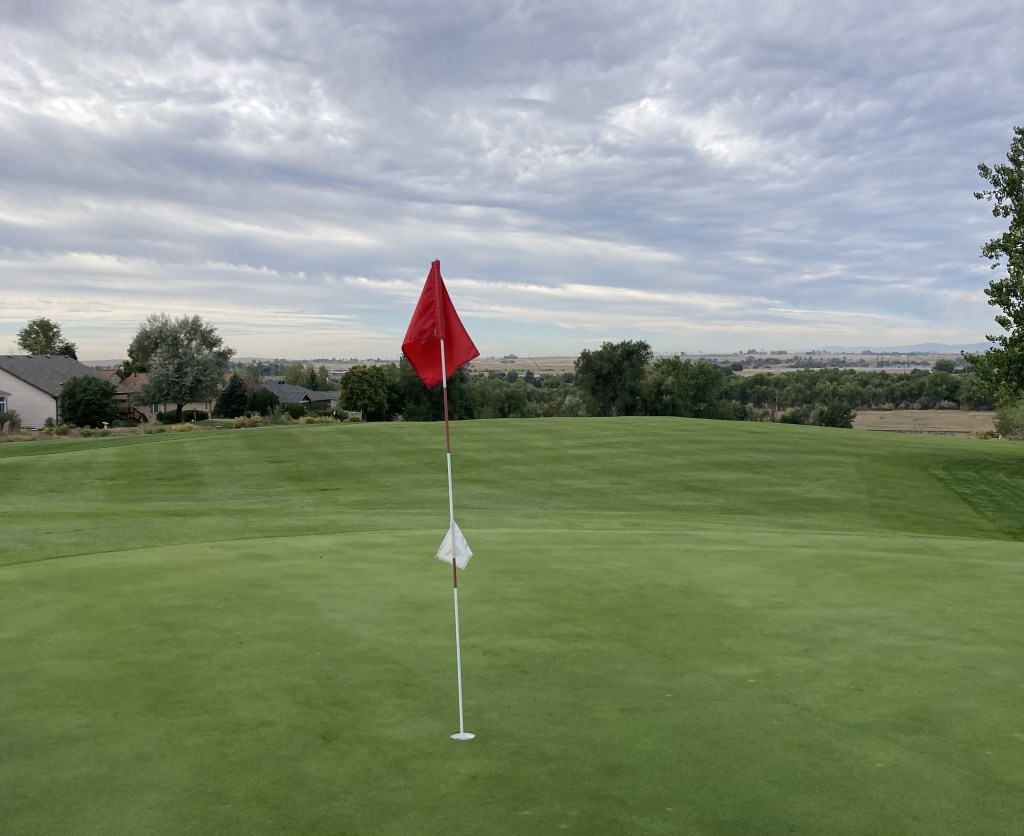
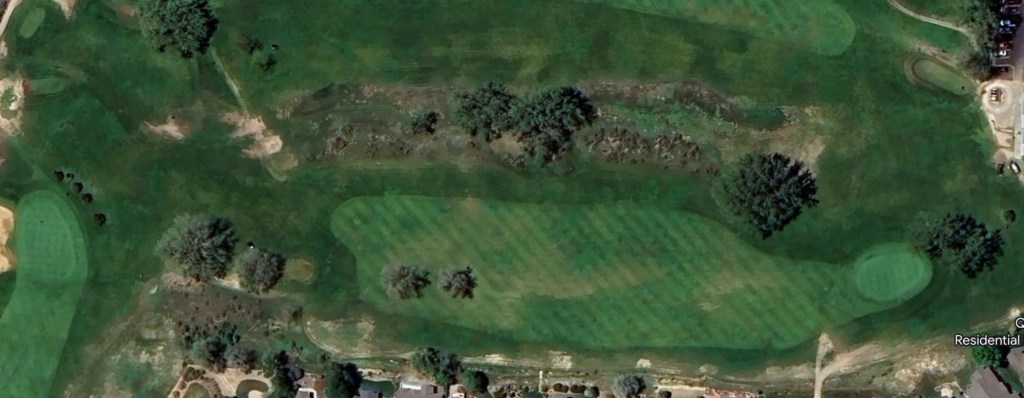
Three: Both the longest par three on the course and the only hole truly surrounded by houses, the third is wide open with a high side left that will either deflect your ball onto the green or bat it away into the rough. It’s a bunkerless hole, not a redan, but you’ll feel quite clever nonetheless if you can bank it off the hill.

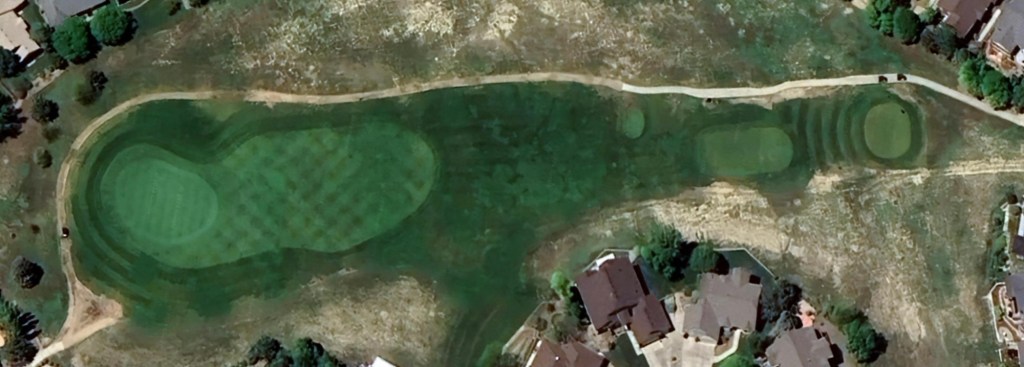
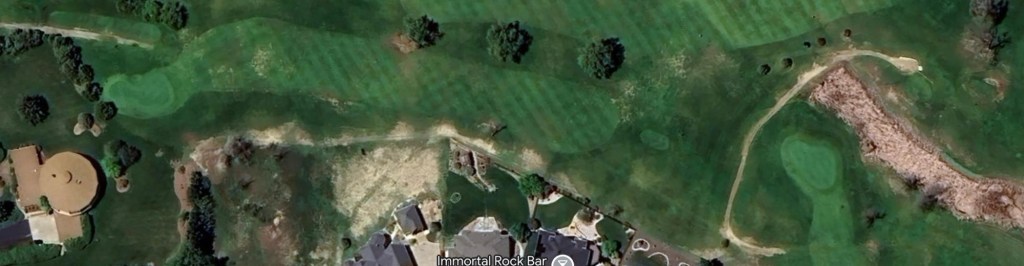
Four: Hoylake, eat your heart out. From the tee, everything right of the fairway is internal out of bounds. It may look like a rough covered field, perfect for cutting through, but from what I can tell, the white stakes protect folks on the fifth tee from needing to wear helmets. The fairway opens up on the left for a layup that should leave you no more than a wedge up to a raised, domed green. If a long hitter wanted to risk it, a 290 yard carry would clear all the danger snd leave you a chip and a putt for birdie. Even then, there’s long gnarly danger encircling the green.
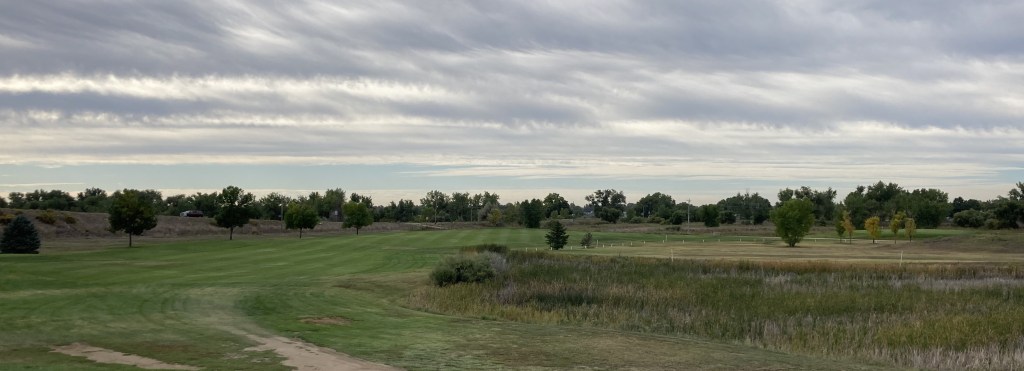
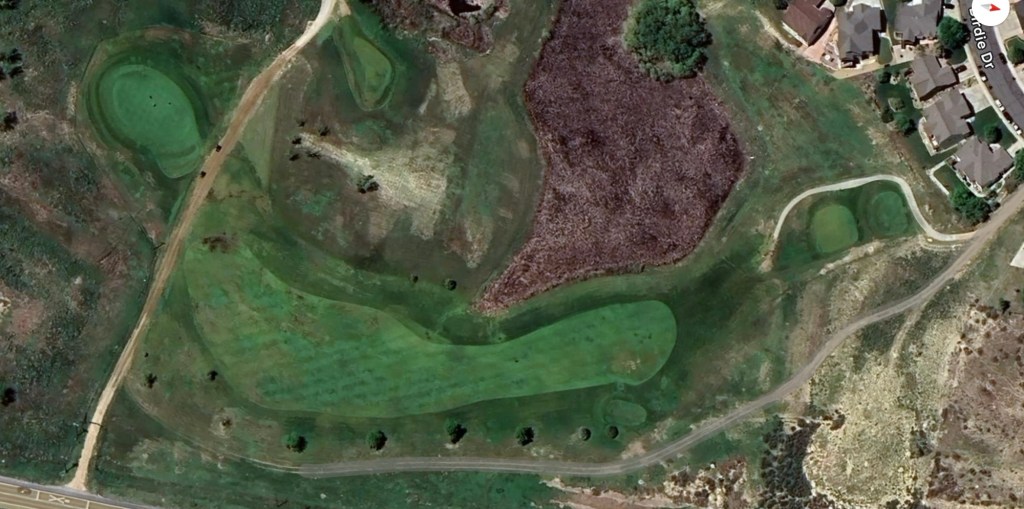
Six: Now that we’re past five, we’re mostly away from the houses. This is short par three with a thin green and from the tee, you’re looking right down the gullet. At its widest point, you have less than 40 feet to play with. There’s an aggressive berm on the right and otherwise the green isn’t much more than a shelf carved out of the rough. It’s a delightfully silly little hole.
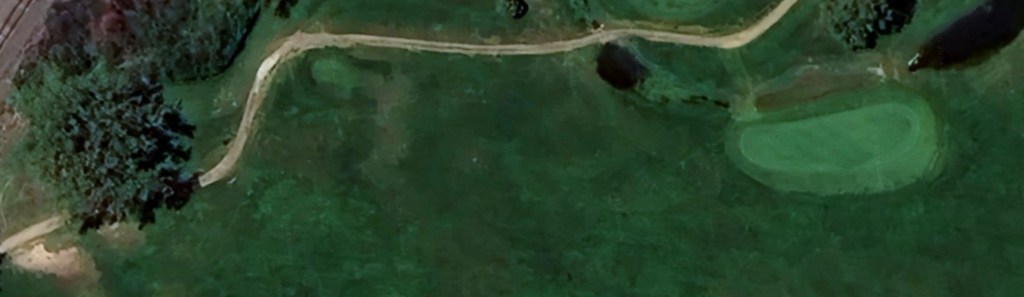
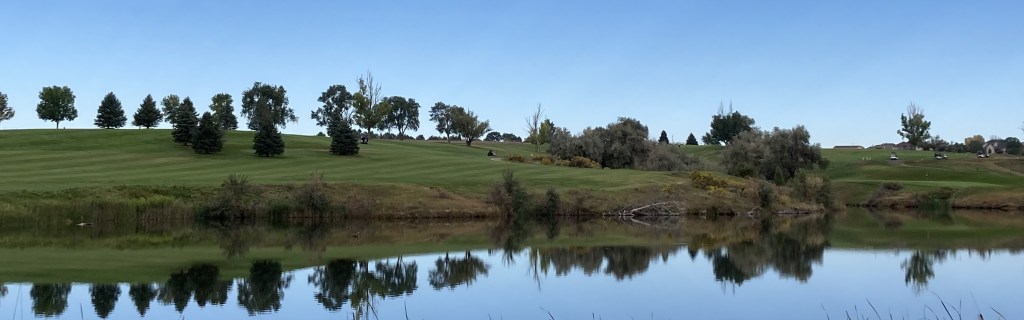
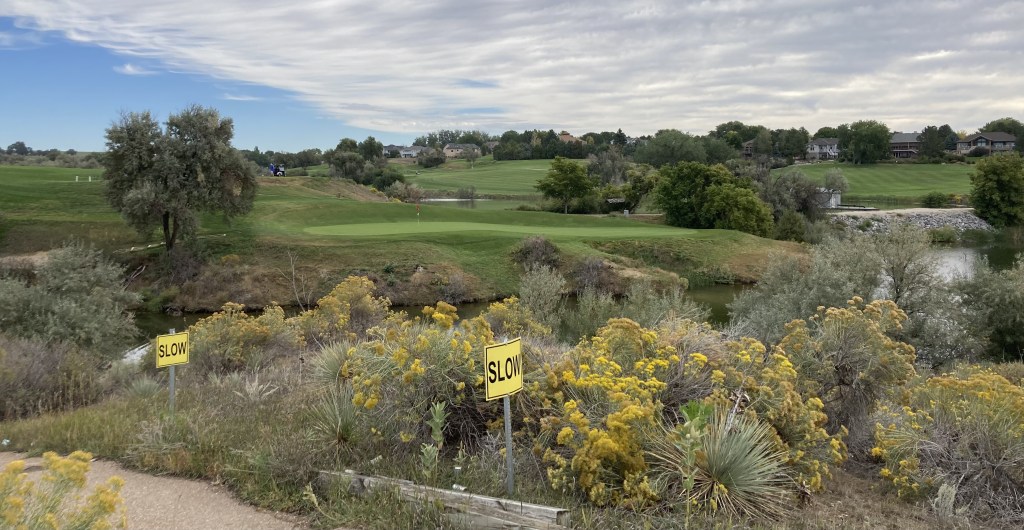
Seven: If you buy into signature holes, this is it. Along with eleven, it also kicks off one of the oddest routings you’re likely to see. The two holes cross each other as the blue tees play to fairways on the other side of the lake. It won’t look it, but driver is too much, unless you’re taking a 300 yard drive across the lake to land it on the green, Bryson. After crossing the lake to the fairway, you’re presented with carrying the inlet in front of the green. This short iron or wedge needs to find the right tier on the green, but another berm behind the green can help stop anything too aggressive. Two fun carries and a beautiful green site justify this as Mad Russian’s dazzler.
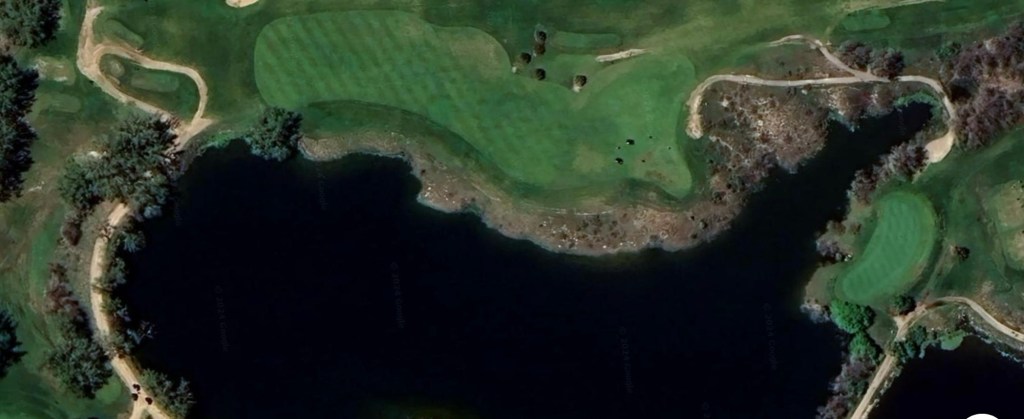
Eight: With probably the most severe fairway, the eighth doesn’t leave you a lot of room to work with and anything with a hint of left to right spin will fall down to the edge of the driving range. The green is on a rise back up and runs severely back to front.
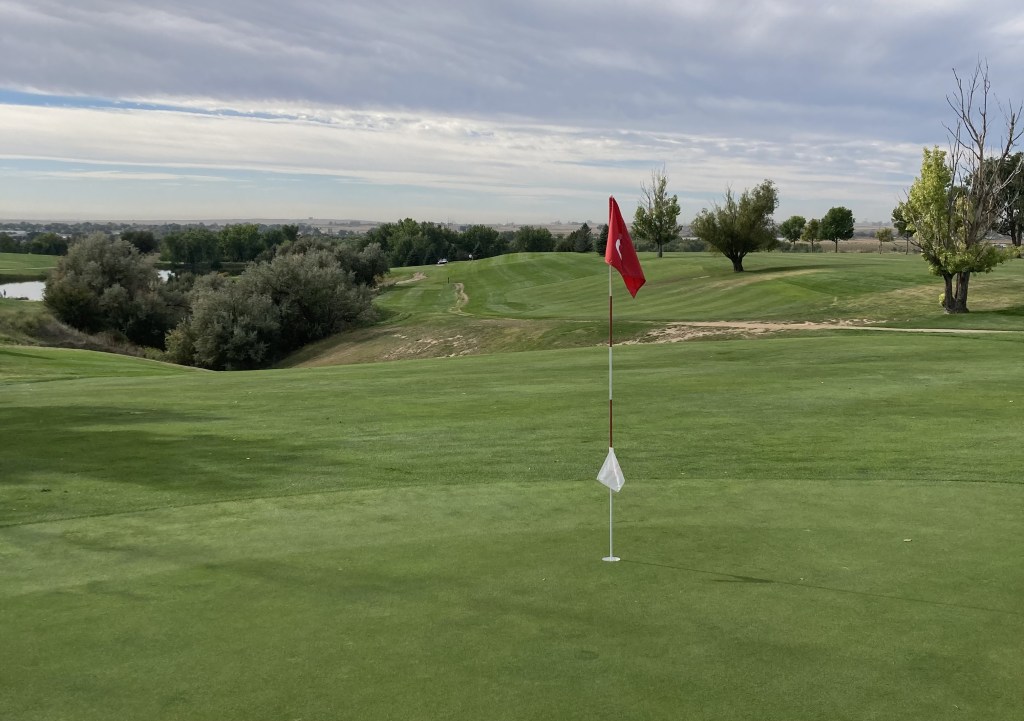

Nine: It’s a straightaway par five. You tee off next to a pumpkin patch and then blindly play your second over the edge of the hill and out to the abyss. To your right is out of bounds, but also a beautiful view of the mountains. You’ll get on in two if you’re lucky and if you’re not, you’ll find one of the two bunkers fronting the green.
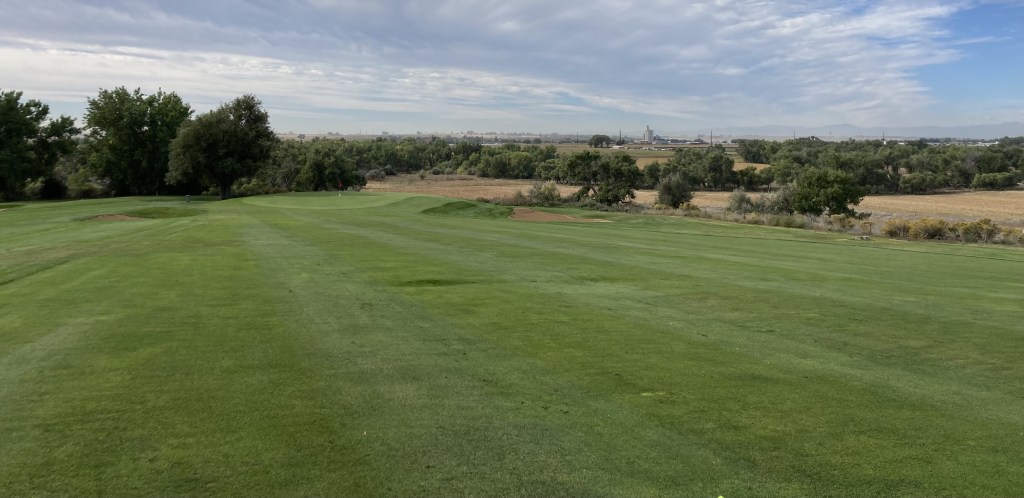

Ten: To the left of the tenth tee box is the eleventh tee box. If there’s no one in front of you, hit your tee shot for eleven over the water now. The tenth tee asks you to play through, or over, a chute of trees that frame the hole on the left and right. Your shot will need to be all carry as a deep valley covers everything between you and the green. I’d love to see the valley covered in brush as a living hazard with a path through the middle back up.
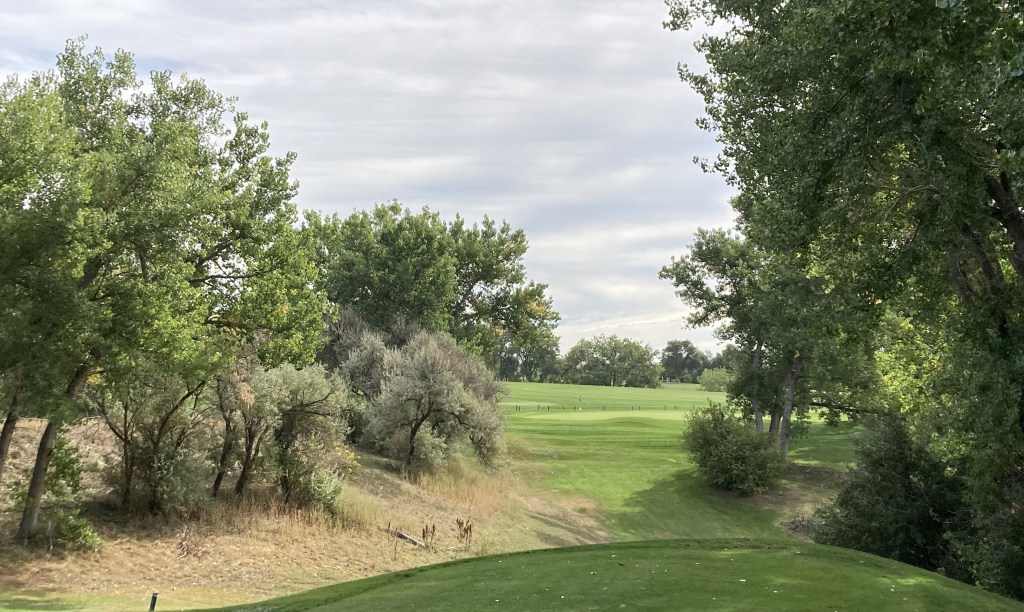
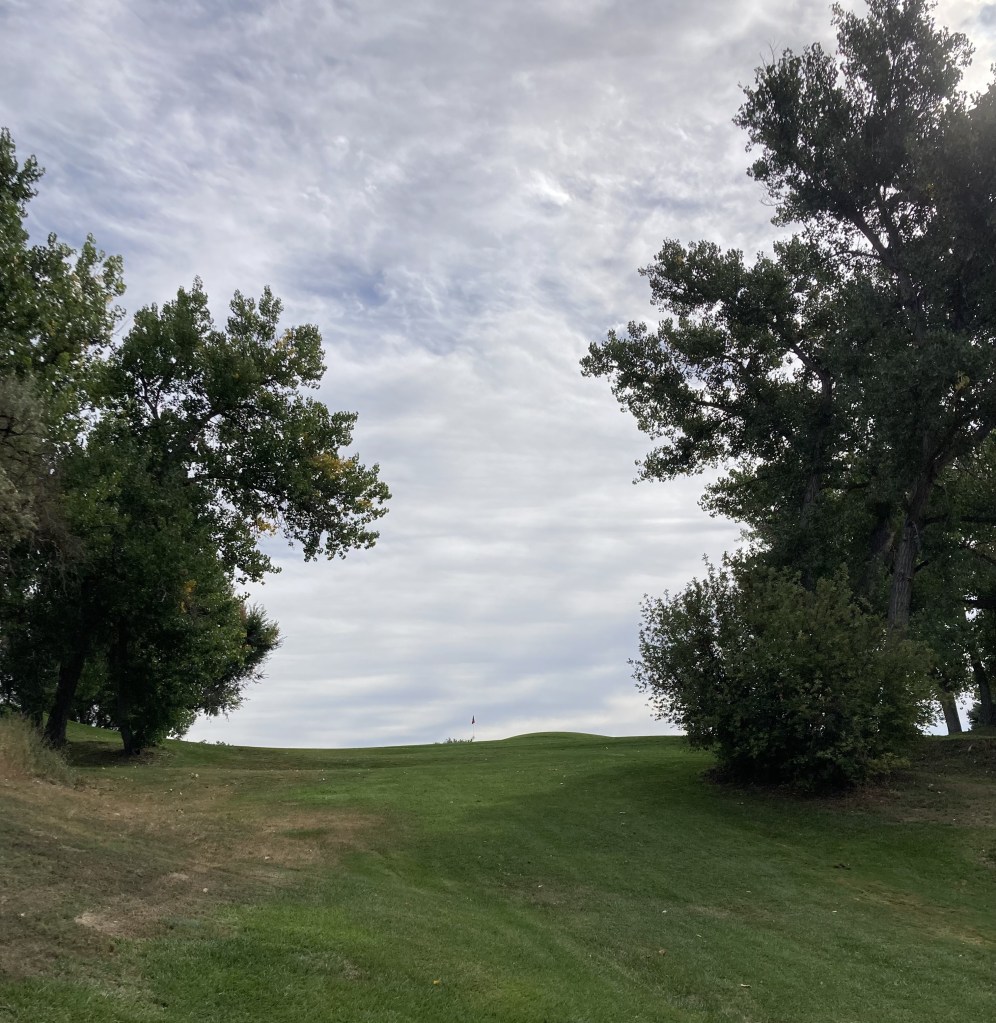
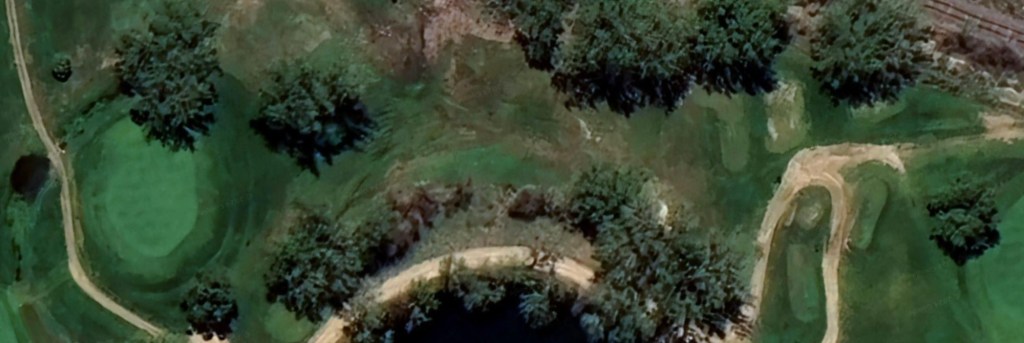
Eleven: If you hit your tee shot before you played the tenth, you should be in the fairway that runs parallel to the lake. Depending on how much you took off, you’ll have either a flip wedge or a mid-iron in. The green is small with a long bunker that runs across the front. There’s nasty movement and a false front-right. It’d be easy to take this hole for granted especially with the hazard continuing just off to the left side of the green.
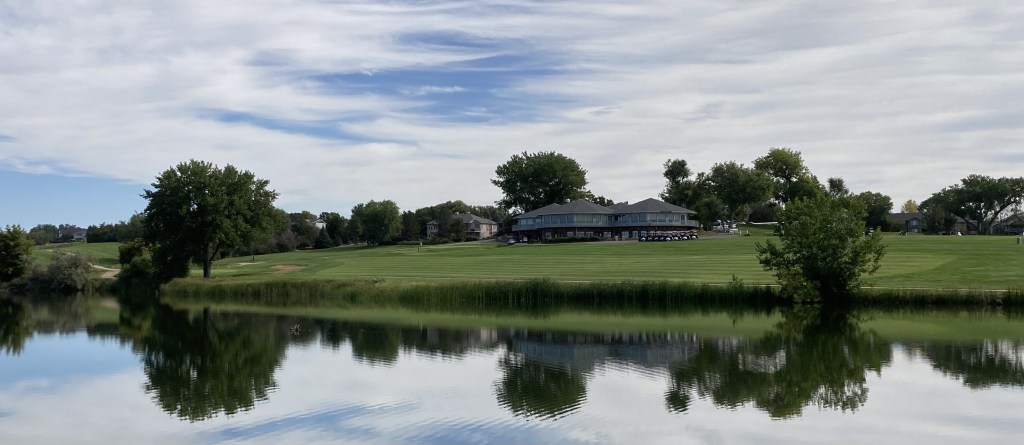
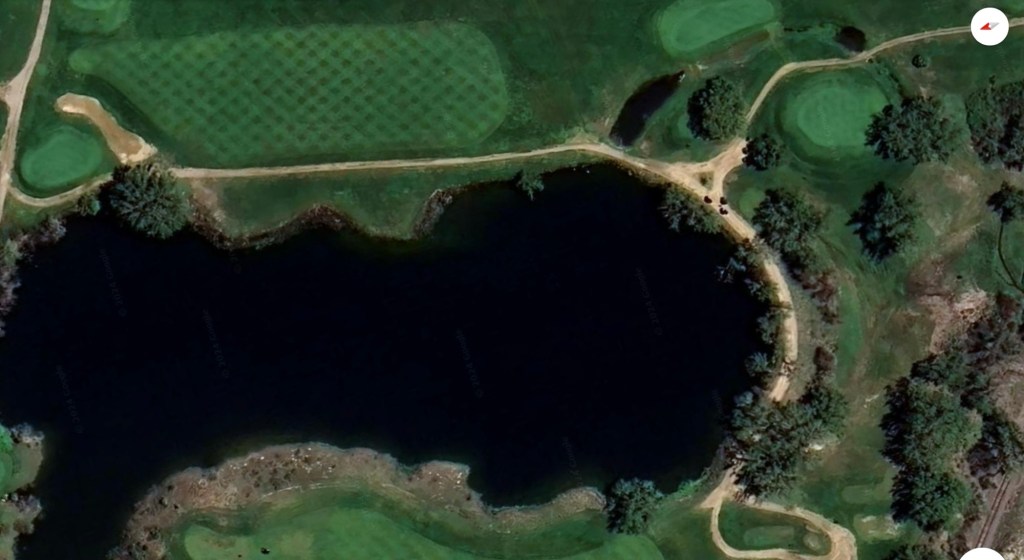
Twelve: Twelve is the first real driveable par four on the course. The fairway feeds back off to the lake and a miss right is as good as being in the short grass as you’ll have a good look at the green. Don’t be fooled though, the green runs right to left before it falls off suddenly. Combined with subtle contour, keeping your second on target is paramount.
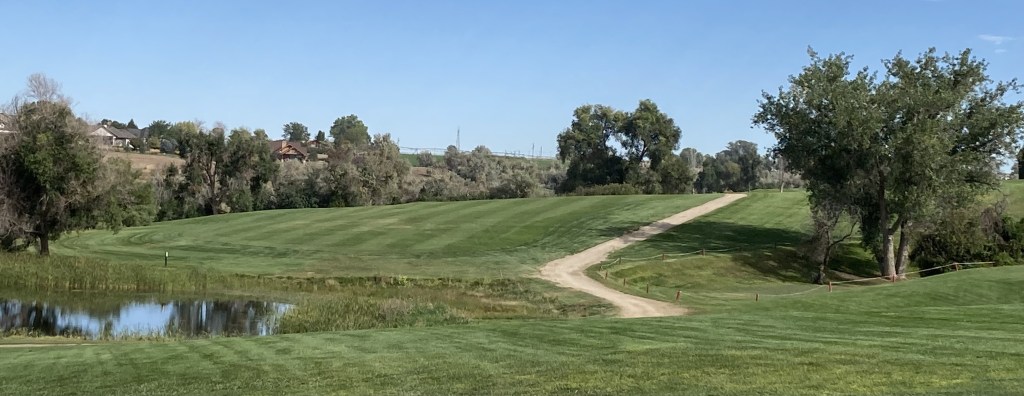

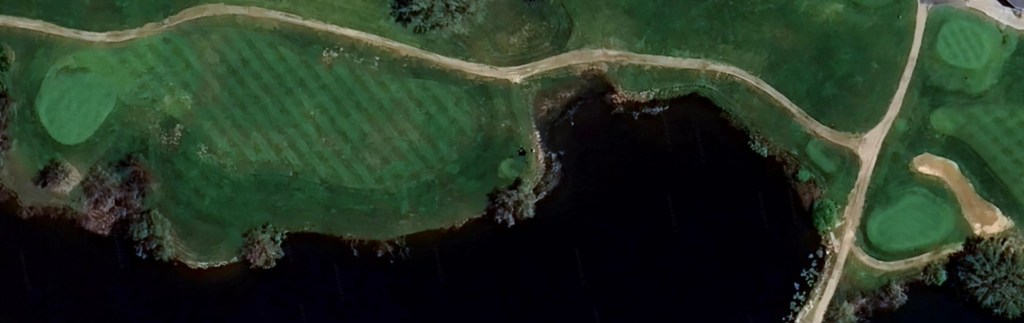
Thirteen: The third and last par five is the most like a rollercoaster. In keeping with the theme, the teeshot is mostly blind with a barber pole for guidance. From the ridge in the fairway you can see the green high and to your left. At no point is it apparent where the best spot to lay up is. Large trees block a direct angle at the green and a good second shot might be a wedge up to the top of the hill for a short iron in. The green is perched high above anything else requiring a high shot in.
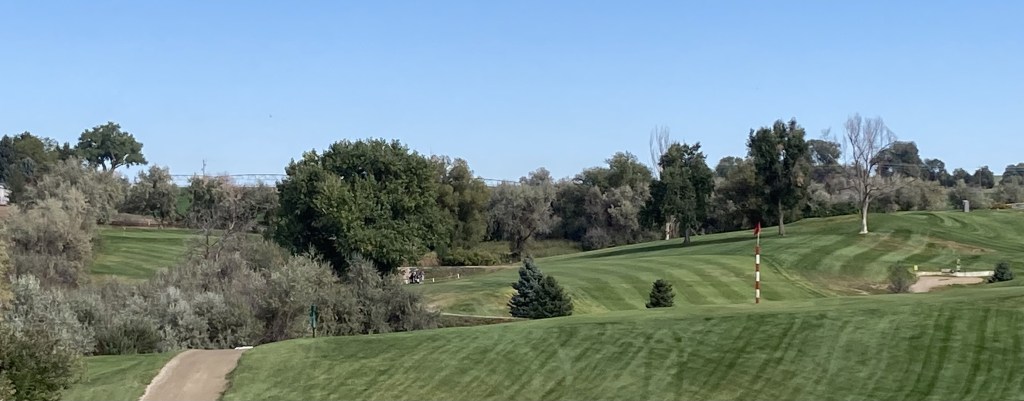
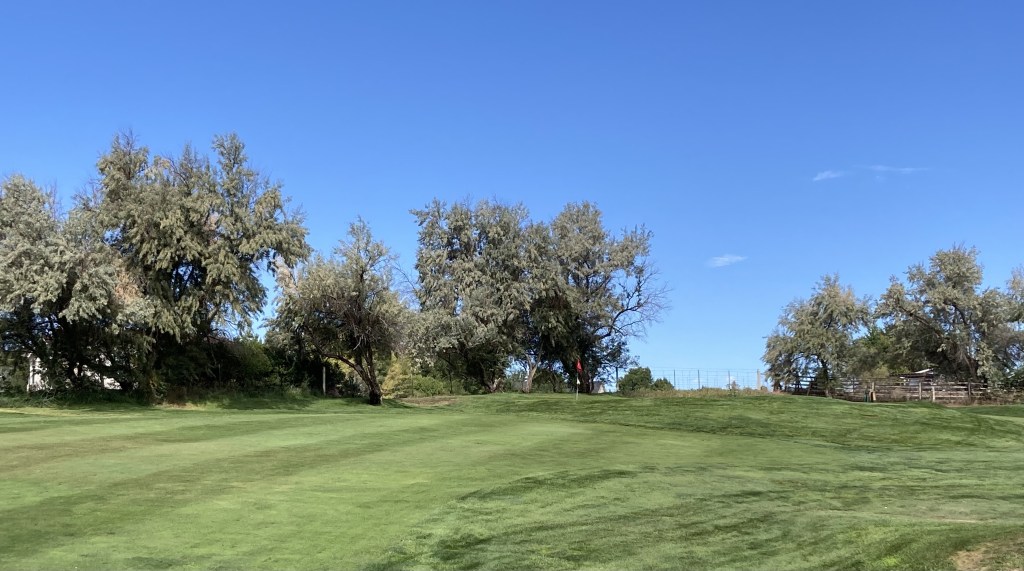
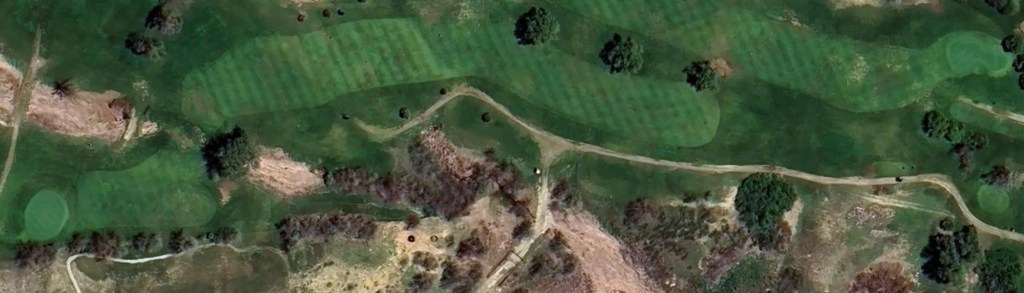
Fourteen: This short par three is perched atop a ridge totally at the mercy of the wind. There is a lot of movement that will require a close reading of any putt or chip, lest you find yourself wedge in hand again.
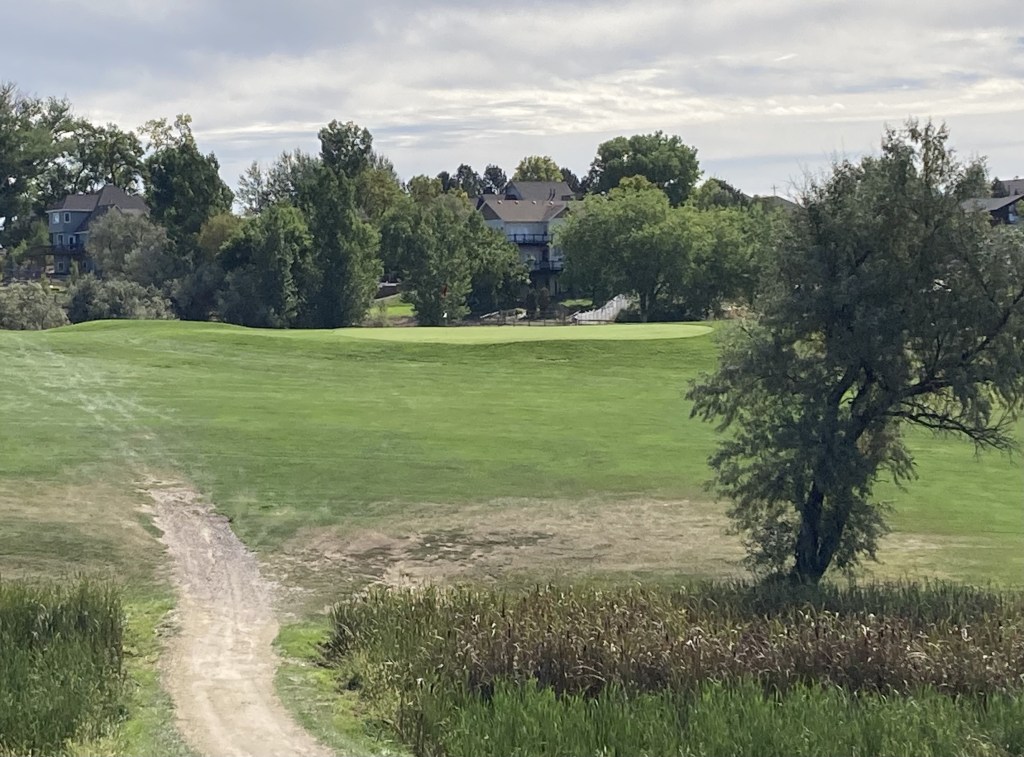
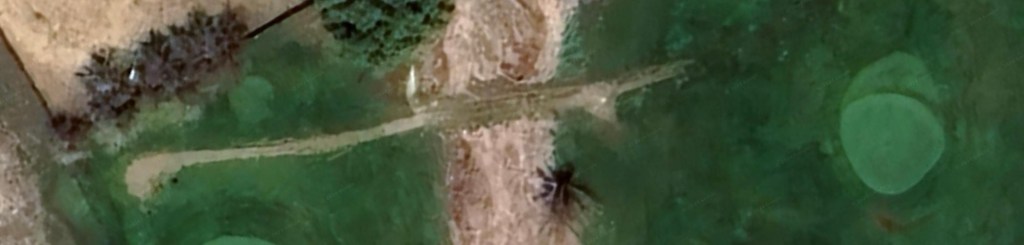
Fifteen: The shortest of short par fours has horses left, marsh in front of the fairway, trees right, and one of the strangest bunkers I’ve ever seen. Anywhere else this would play as a long par three, but the Mad Russian gives you a stroke. The fairway is obscured by the trees but is perfectly receptive to an iron layup. There is a bunker, above the green to the right that is almost entirely out of play. Not just that, but the front is obscured by a flowerbed. Anywhere else this would feel awkward and out of place, but here, it fits right in.
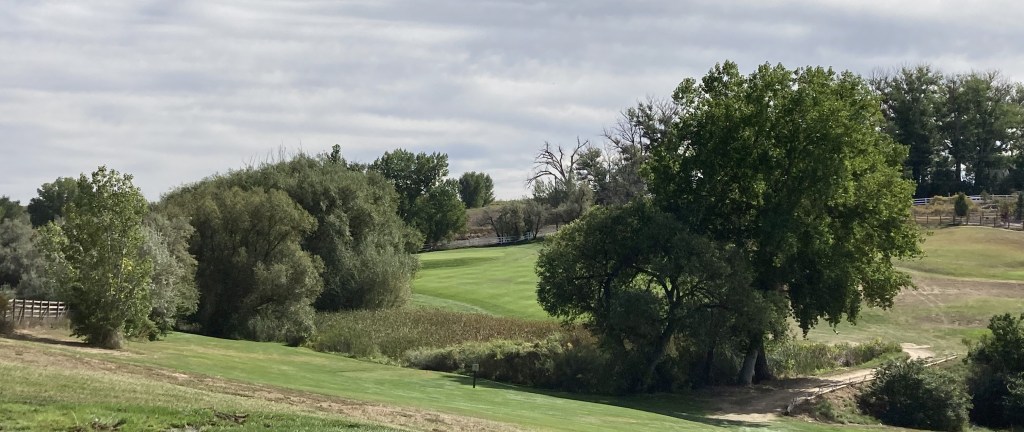
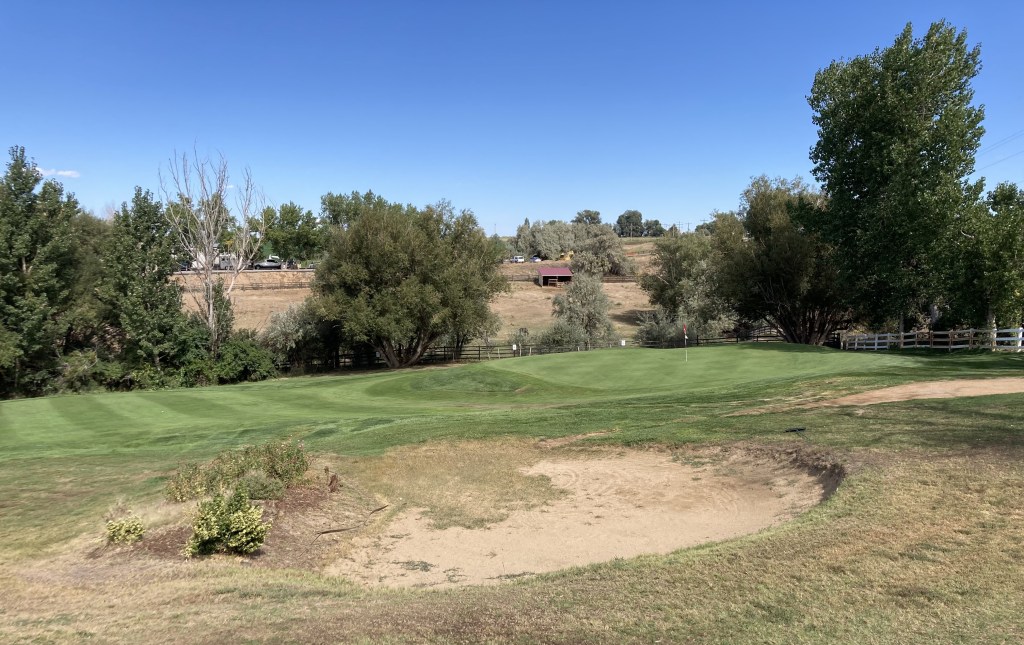
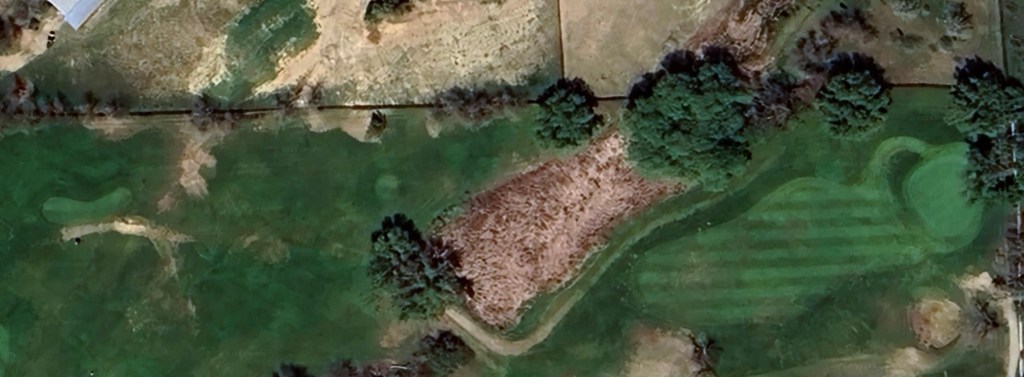
Sixteen: One good short par four deserves another. From the tee box you can see the beginning of the fairway and the green, but not much in between. With more room beyond the trees than you think, feel free to go for it, but losing it left will leave you with an awkward wedge that needs to stick on the green and a miss right puts you square in the reeds. A missed approach right will fall off yet another bench green.
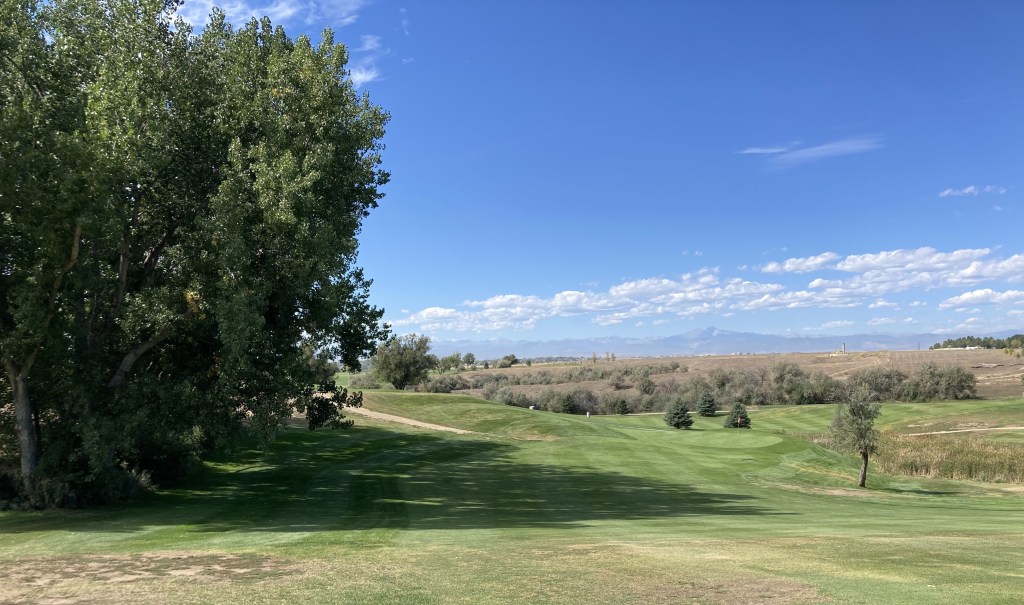
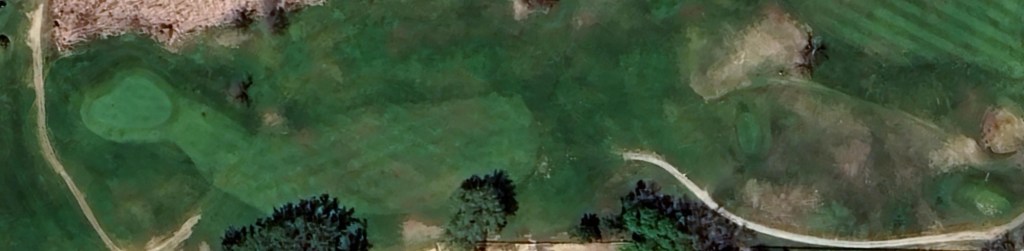
Seventeen: Here’s another blind teeshot to a valley fairway. The rolling hills are in full force here with nary a level lie to be found. The approach is to a high green with two subtle tiers with Blehm’s rotating house as a backdrop.
Final Thoughts
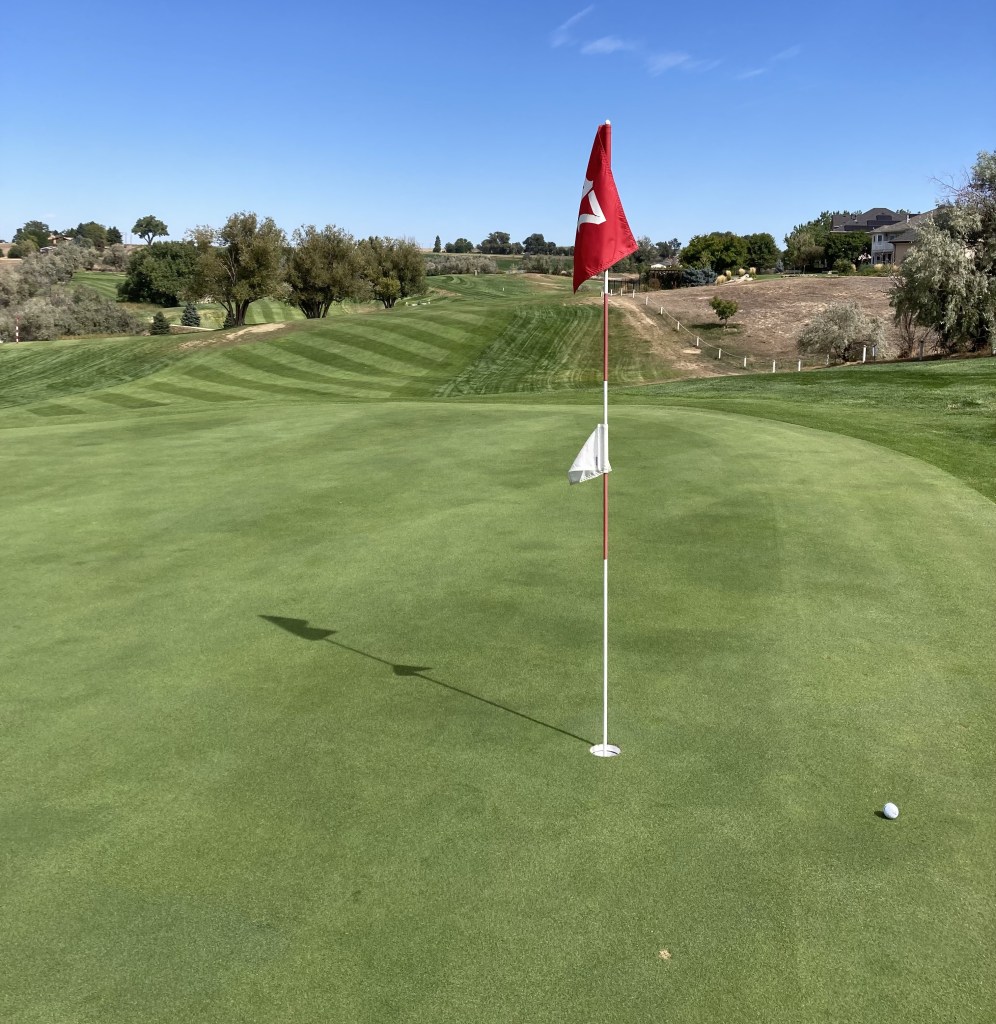
The Mad Russian is a paragon of quirk. From its origin story to the land its on and even the movement and shaping of the greens, it’s a wonder. Ignore the Trump signs in the backyards of houses along the Mad Russian – I don’t think they see the irony. The greens crew has done a marvelous job. The greens run fast and true and the conditions are much better than one might expect from a course like this. Everything about this place is a wonder from the origin story to the course itself. If you value a little fun and uncertainty in a golf course, you’ll love the Mad Russian.
Further reading
GolfClubAtlas Discussion


 Layman's Hall
Leave a reply to scarletspidercomics Cancel reply