
Architect: Tom Doak (with Jim Urbina, Eric Iverson, and Don Placek)
Walkable: Yes
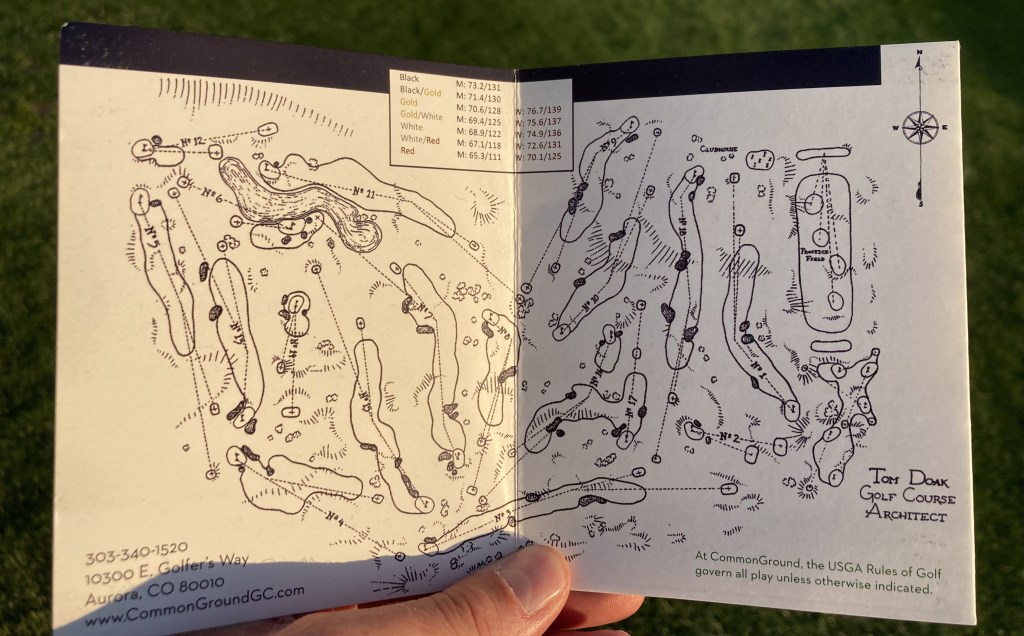
Highlighted holes: 2, 3, 4, 5, 8, 13, 15
Every metro area should look to CommonGround for how to go about building a public golf course. Take an existing site, give a world class architect a budget, and let them do whatever they want. The clubhouse is secondary. Gil Hanse has most recently done this to much acclaim with The Park in Florida like Tom Doak did in Aurora fifteen years ago. CommonGround is a great introduction to strategic golf and has eighteen good to very good, distinct holes.
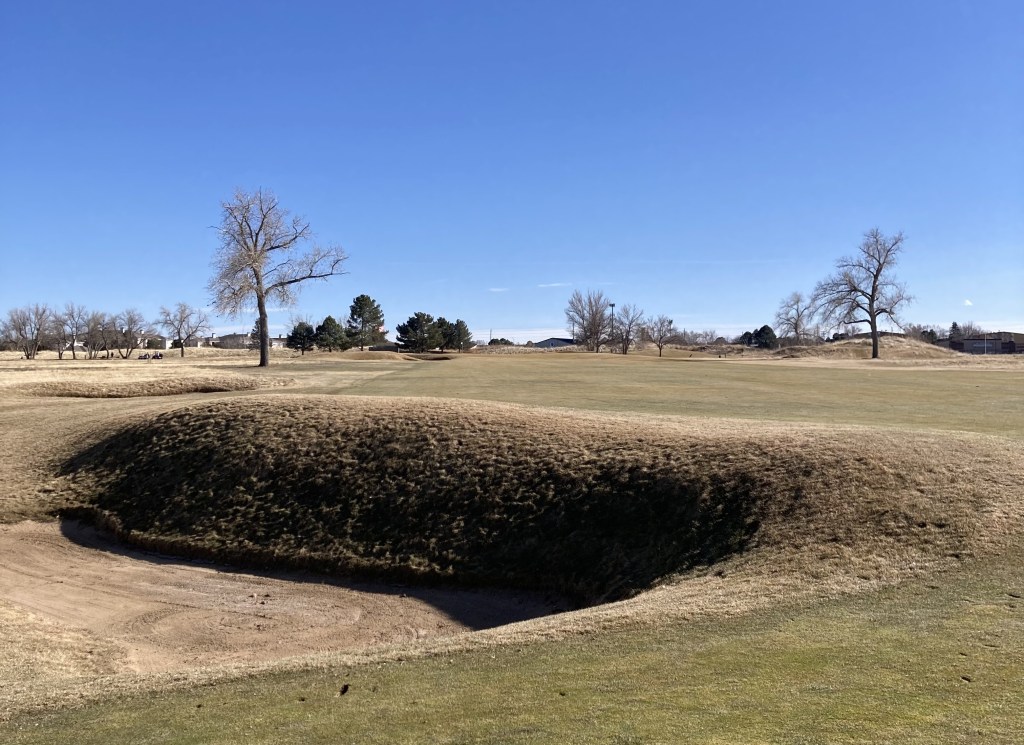
CommonGround presents you with different elements and opportunities. You can see the influence of Seth Raynor’s bunkering with traps that peek out into the fairway, creating uncomfortable decisions off the tee. They blend steep, natural faces with good positioning and really phenomenal mounding in the fairways and around the greens. Doak’s team flexes their creativity on the putting surfaces with the kind of movement that won’t be found on most daily fee tracks. Many have a pin position that you’ll regret not seeing if the hole isn’t cut there: a depression at the back of the punchbowl third meant to catch and funnel balls in, what is almost a valley at the back of the fifth green that dares you to use it as a backstop, and a false front with middle ridge on the eighth that adds defense to an otherwise short par four.
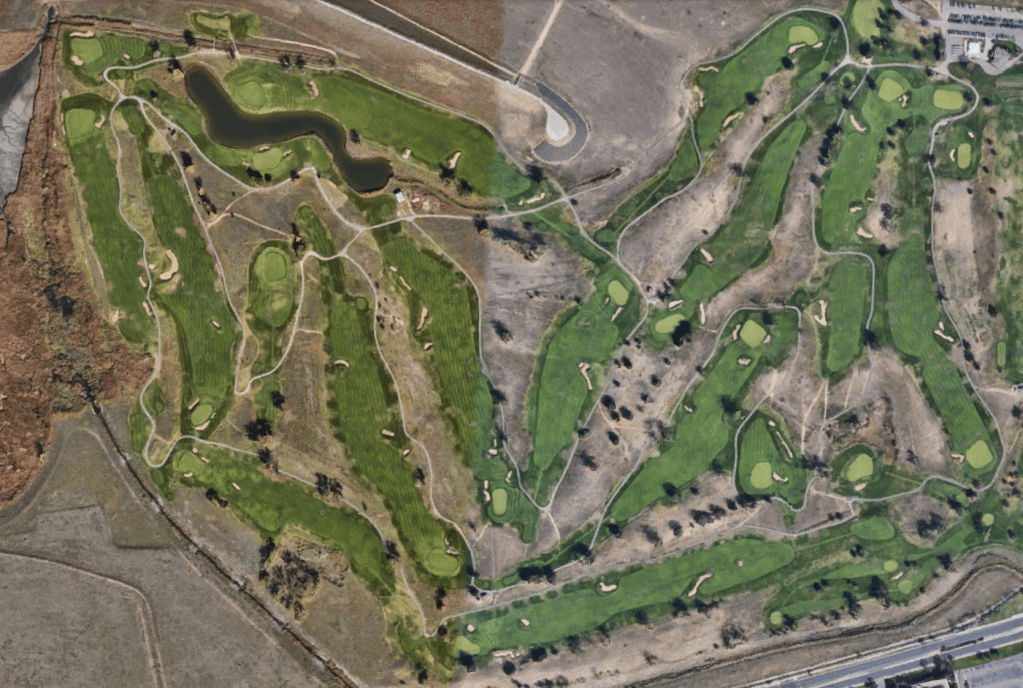
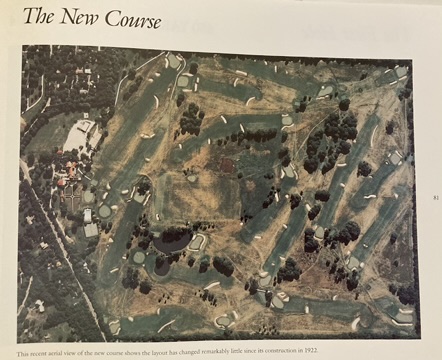
To my untrained eye (this is Layman’s Hall after all), CommonGround seems similar to what I understand Chicago Golf Club to be. Doak has mentioned the Raynor influence and his inspiration for the third green comes directly from Chicago’s punchbowl. Even looking at this aerial from the club history reveals a similar look to CommonGround: native grasses mixed with clusters of trees and angled bunkers that creep up the fairways toward the greens.
Despite all that, something about the course doesn’t click for me in the way that I know it should. There isn’t a bad hole on the course. The views are astonishing: downtown Denver with a mountain backdrop. In season, the native grasses pair well with the well placed trees on the property, and yet, it feels somehow incongruous, perhaps as a result of the land they were given; though it is used to its full potential and accommodates 18 good to very good golf holes. Perhaps it’s the result of four different designers laying out the course that leads to a subtle lack of cohesion, and yet, they are four world class architects who have worked closely together for years on world top-100 golf courses. Perhaps the brutal final four holes wear me out and cloud my opinion. I don’t ever want the way I’m playing to impact my take on a course, and yet…
Perhaps the mostly likely source of my uncertainty is the same thing that kept me from loving Wild Horse for so long: the understanding that good golf courses reveal themselves over time and it isn’t until you have played them enough that you truly begin to understand them. This is the same idea that makes so many people who’ve only played it once dismiss the Old Course as flat and uninteresting. In short: CommonGround, it’s not you, it’s me, and I’m getting there.
Two: The second is a traditional template hole: short. At less than 150 yards, the pushed up green is surprisingly big and receptive; a good start for the first par three of the round. A bunker left and the height of the green are its only defenses and with as short as it is, no one would blame you for taking dead aim.
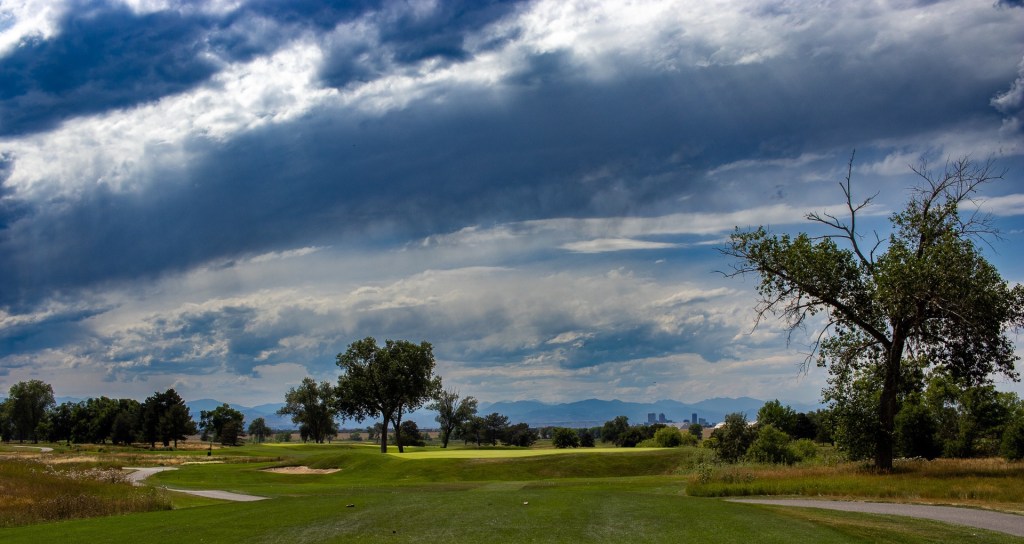
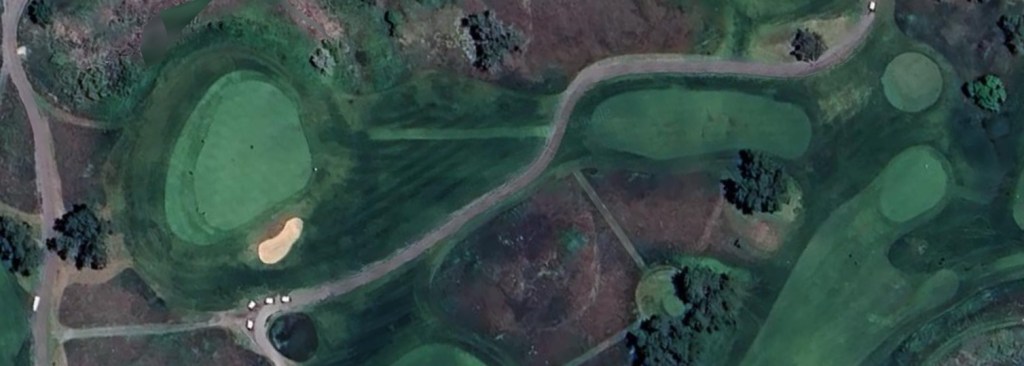
Three: The third is a par five that plays straight towards the mountains. From the tee, a diagonal bunker coming into the fairway from the left has to be carried to have a good shot at the green that’s guarded at the front by a centerline bunker. Large mounds to the left block the hole from the road and help to diminish the sound of tires. As I mentioned, the green complex is modeled after the punchbowl at Chicago with mounds all around and a gathering spot in the back. Check out the bunkers that hidden at the front left of the green for creative earthwork.
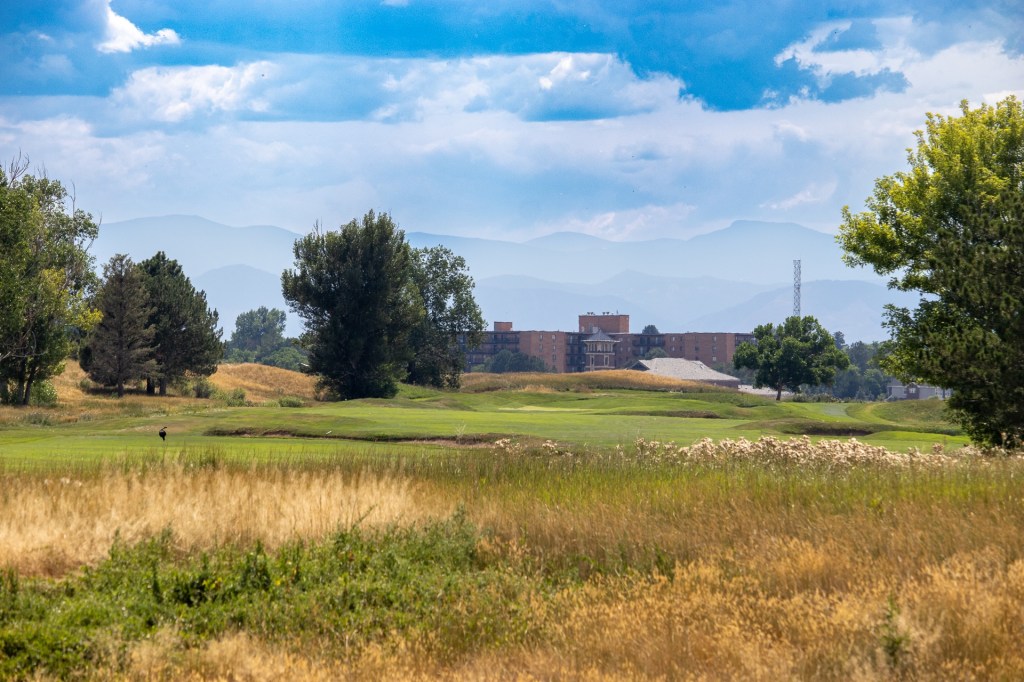

Four: The fourth is something of a cape hole inviting you to take off as much of the corner as you like and for which you’ll be handsomely rewarded. It’s a fun tee shot that takes you over or around some native junk and a good drive leaves a short iron or wedge in. What truly sets the fourth apart is its green: possibly the best on the course with a sneaky back left section, a drainage roll right that offsets with a ridge that runs right through the center.
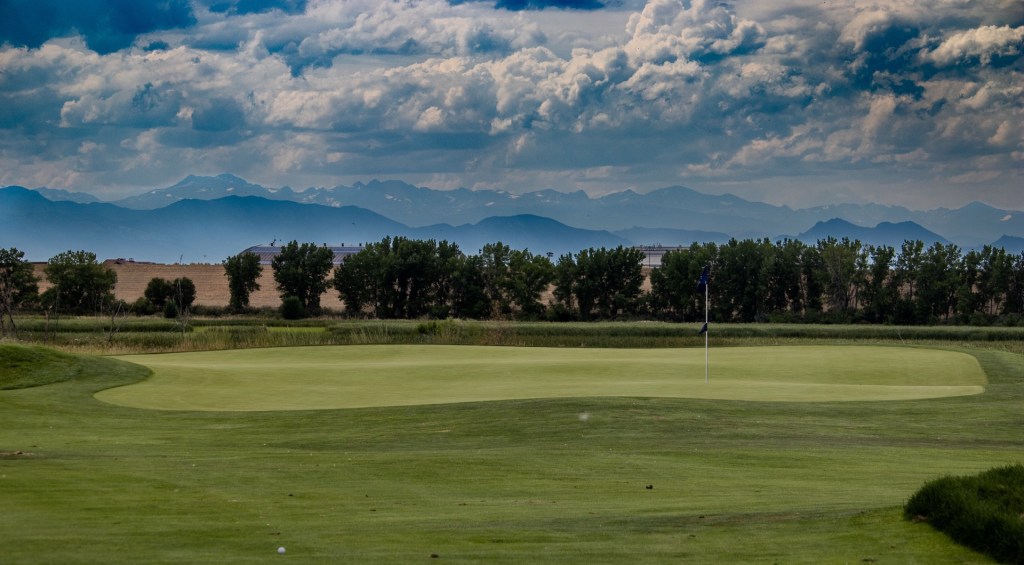
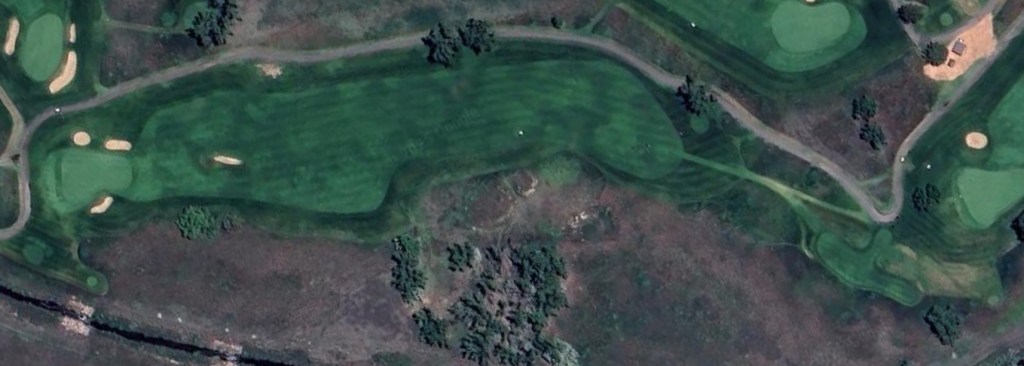
Five: The fifth is the longest par four on the front nine and plays dead straight along the left marsh. Two grassy knolls guard the center right side of the fairway near a bunker complex that is partially shared with thirteen. The green is the largest on the course and pin position will dictate strategy. For a left pin, hug the right side, and for a right pin, keep the ball as close to the marsh as you can. There’s an enormous (and enormously fun) swale on the back right of the green that is a delight to feed the ball into. If you don’t get the ball into it on the approach, you’ll have a delicate putt or chip.
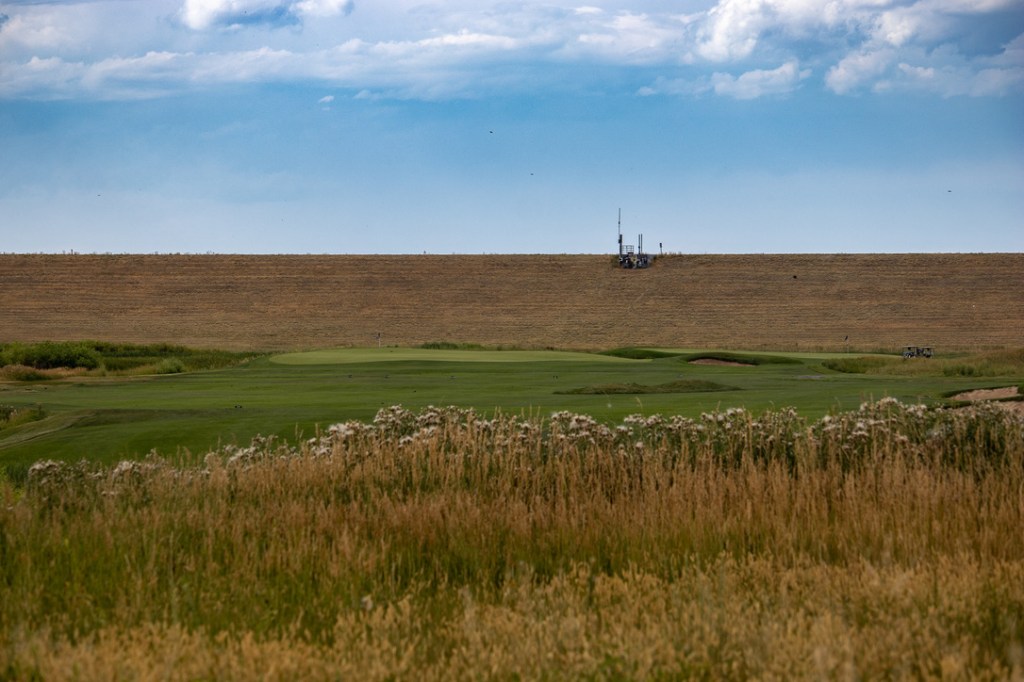
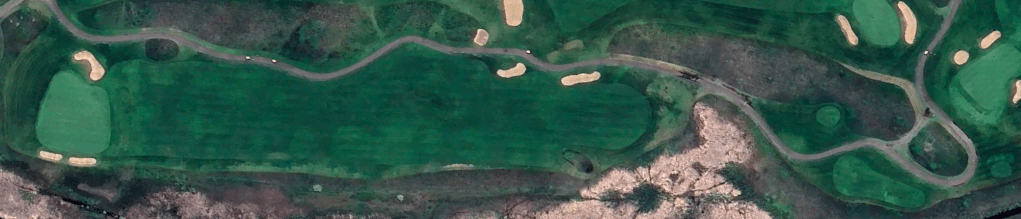
Eight: The eighth has all of the trappings of what I love in a golf hole: hazards that require some thought, quirk, and a hole that can be birdied or bogeyed easily. From the tee you either take on the Aphex Twin-like bunker and risk having to hack out or you aim for the mound on the left where you’ll be safe but with a potentially blind, odd angle. The green has a false front and two tiers for a little extra fun.
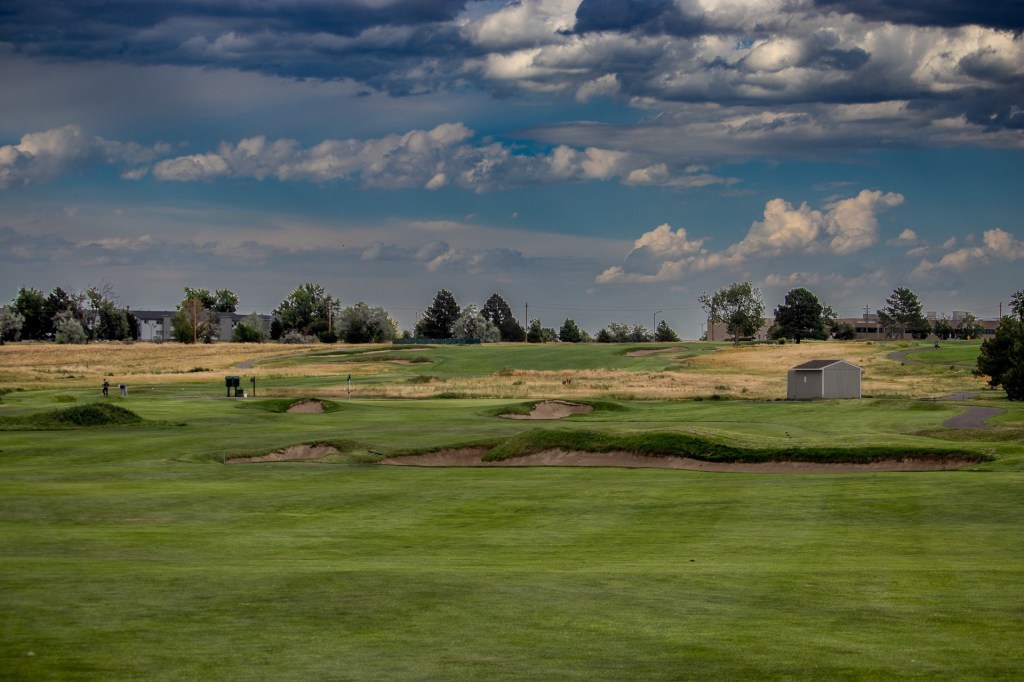
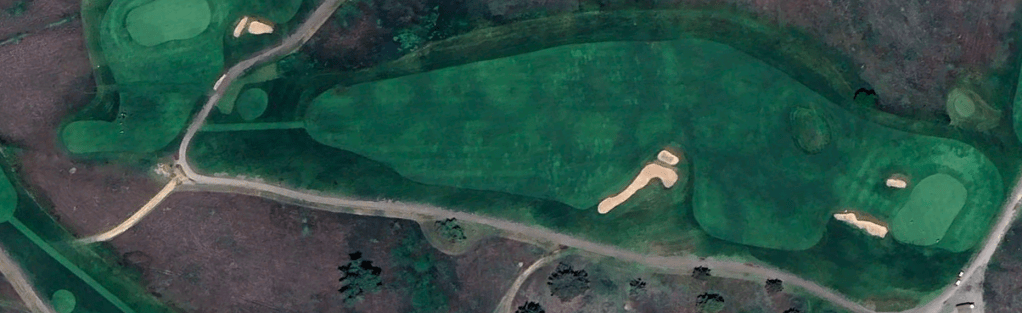
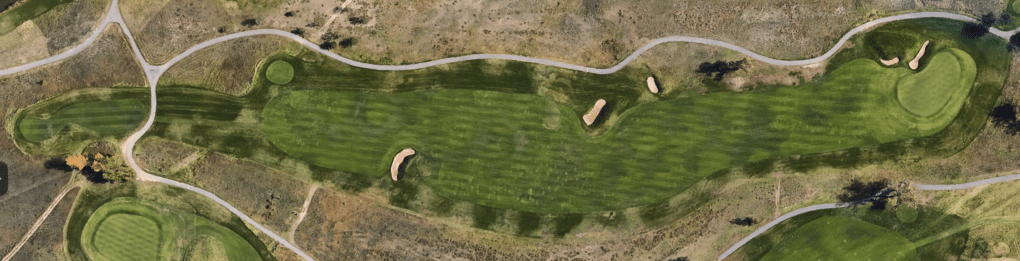
Thirteen: I adore the strategy on the thirteenth. Despite being a slight dogleg right, the ideal position isn’t to cut the corner even if it does leave you fractionally closer. The ideal play is to challenge the small bunker on the center left of the fairway which opens up a view at the angled green. If you do cut the corner, the approach is to the skinny part of the green which is pushed up and protected by one front bunker and two back bunkers.
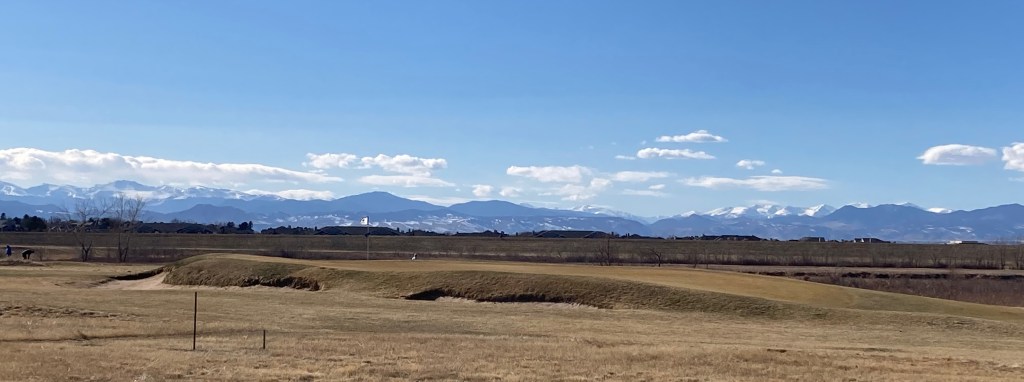
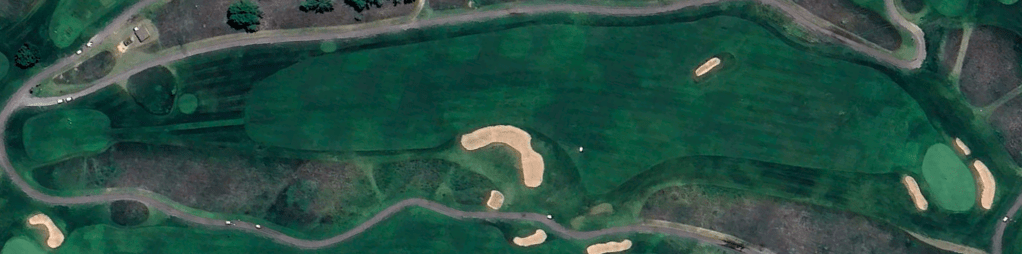
Fifteen: This long par four begins the home stretch that will test you. It’s hard to miss the deep fairway bunker from the tee, but miss it you must. At close to five hundred yards, the approach will likely be with a wood or long iron. The green has two tiers and an aggressive slope distinguishing them which can act as a fun backstop for a front pin.
Final Thoughts:
CommonGround really is a gift to the Denver metro area. It offers strategic golf with creative holes and architecture that you won’t often find on a public course. While the land may be some of the least dramatic Doak has had to work with, along with his team he built something that exposes tens of thousands of people to the fundamentals of good golf architecture every year. The front nine is creative and fun while the back ratchets up the difficulty while offering the same kinds of questions. It’s certainly the kind of course that rewards repeated plays and the more I think on it, the more it grows on me. It is without a doubt near the top of the conversation for best public access course in the metro area.

 Layman's Hall
Leave a reply to scarletspidercomics Cancel reply