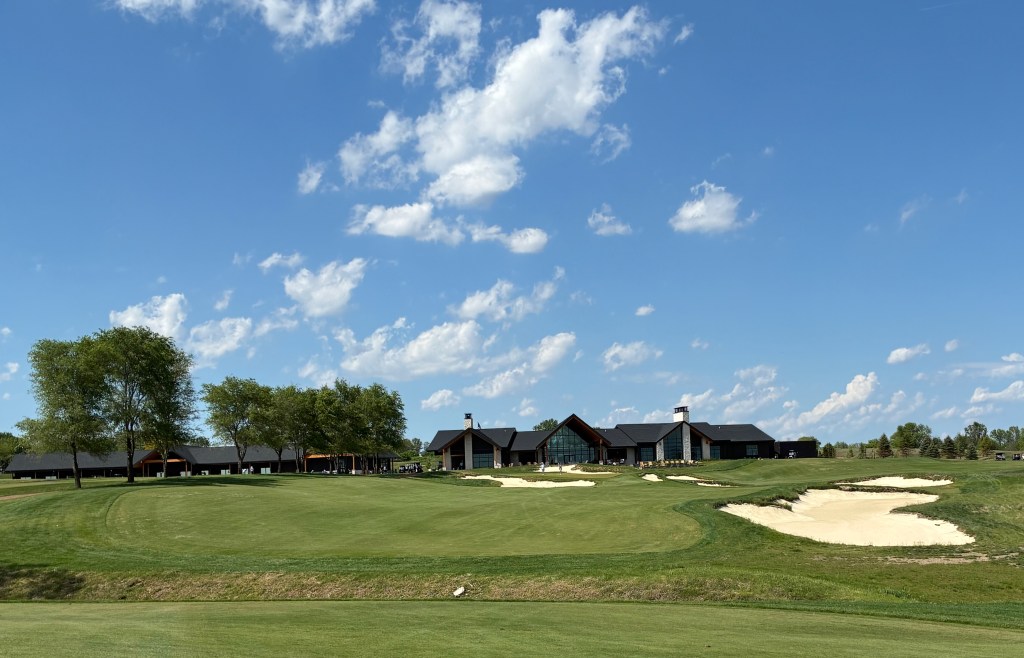
Architect: Scott Hoffman
Walkable: Yes, only one tough climb with short walks green to tee
Highlighted Holes: 3, 4, 5, 7, 8, 9, 10, 11, 12, 15, 17
Author’s Note: Big thanks to Scott for providing some of the early renderings and iterations found throughout the article.
At risk of angering an entire state of golfers, South Dakota has not been known for exceptional golf. At risk of compounding the anger, one could argue that its neighbor to the north has had nearly as much good golf despite a shorter playing season. Until now.
In many ways, Mapletøn Golf Club (option + o on a Mac, alt + 0248 on Windows) right sizes private golf in South Dakota’s biggest city and represents the most significant addition to the state’s golf scene in two decades. In 2003, Mark Amundson developed Sutton Bay; a highly regarded remote links-like golf course along the Missouri River, an hour north of the capital city Pierre. In 2013, after the first course more or less fell into the river, original architect Graham Marsh returned to rebuild on sturdier ground with the new layout receiving similar acclaim to the first.
For years the private options in this city of almost 300,000 people had been: the Country Club of Sioux Falls, a midcentury parkland design, and Minnehaha Country Club, a 1922 Langford and Moreau course best known for hosting the Champions Tour’s Sandford International. The late Mark Amundson’s son Danny recognized an opportunity for the state’s largest city and led a team of investors in his father’s footsteps to find the perfect land for bringing Mapletøn to life.
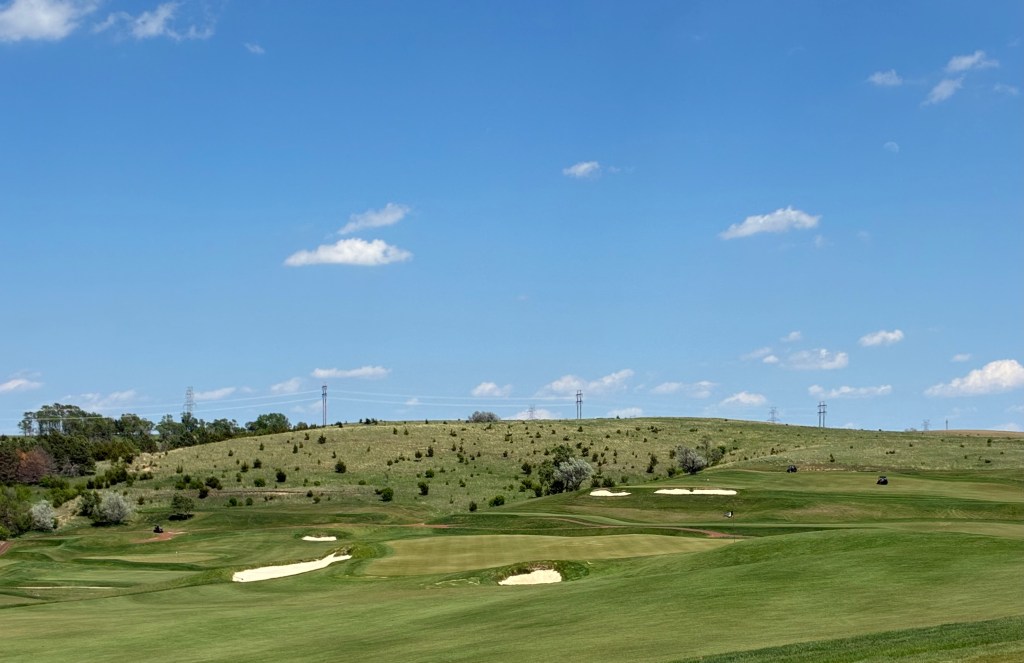
Architect Scott Hoffman was a longtime Tom Fazio associate in the Western office helping to route and design courses like Gozzer Ranch, Martis Camp, Pronghorn, and Shooting Star. Mapletøn is his second solo design behind Lost Rail, making the comparisons inevitable. With a bit more room to work with, the course is big, but all contained within one contiguous parcel of land. As with Lost Rail, it never feels like like you’re encroaching on other golfers, but at Mapletøn the open prairie-style routing allows you to see some of what’s coming as the vertical separation is less apparent. The golf plays a little closer to the ground with fewer forced carries and opportunities to run the ball up into some greens, provided you find the correct position.
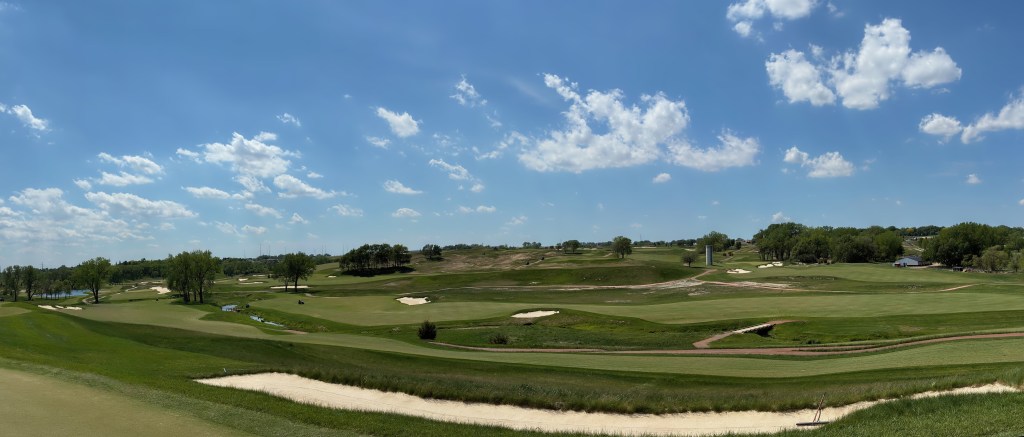
The two nines weave through each other with short walks between greens and tees and there is a surprising lack of hill climbing given the topography. At Mapletøn, the land is subtler and the hazards are a little more tame. The delightfully named Slip-up Creek runs through the southern end of the property and is mostly accessible for finding wayward shots. Most of the existing trees on the property were kept and worked around and add the right amount of flavor to the site. The crew found a vein of sand near the seventeenth green during construction and rather than leave it, they expanded a number of the waste areas throughout and built dunes that, once the native grows in, will be eye candy for photographers.
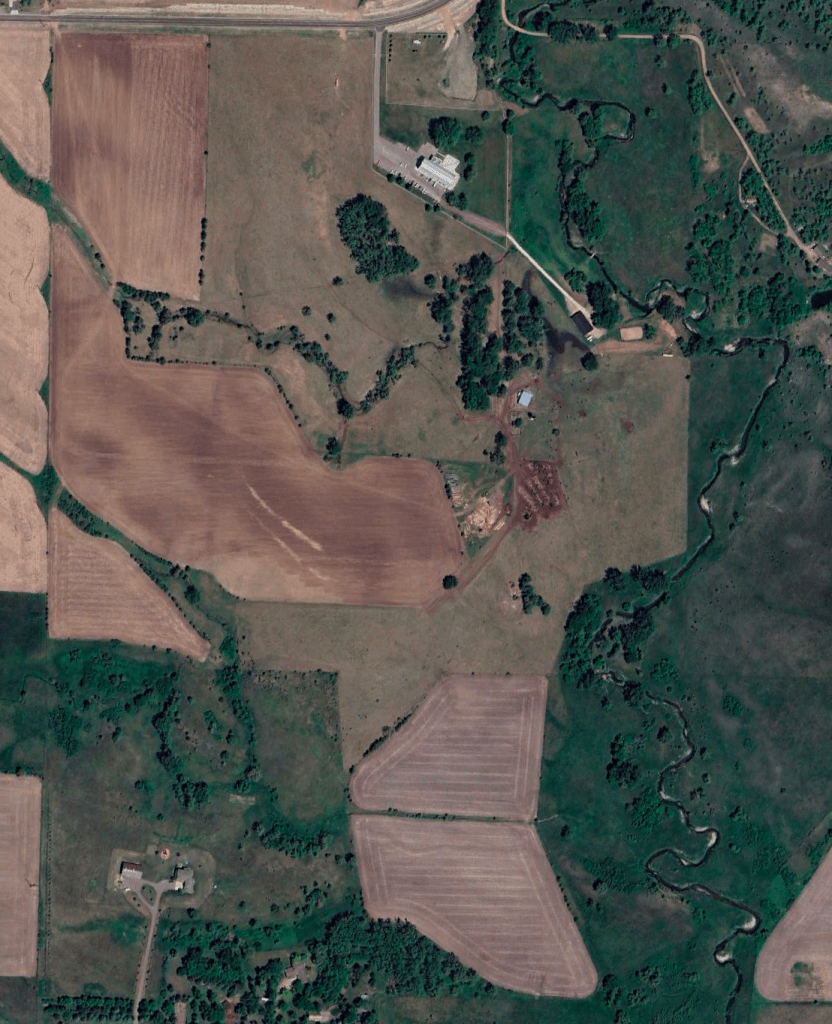
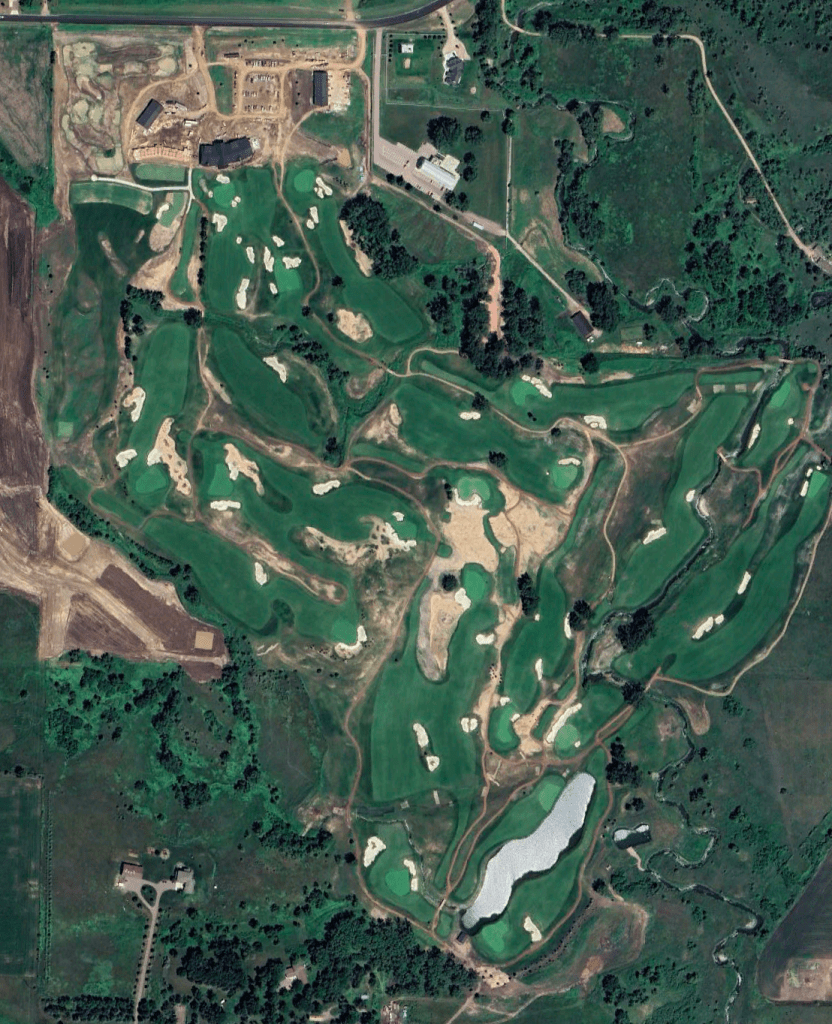
Hoffman’s creativity and commitment to designing holes that are as unique and varied as possible shines again, especially on the par fours. Kicker slopes, clever mounds, carefully placed bunkers, and vertical subterfuge in the form of ridges and hills all add to a sense of exploration and discovery throughout the golf course. And as with any great golf course, angles are critical. They’re the difference between whether you have an open look at a green, whether you can see the green at all, and whether the green will even receive your approach shot in.
As expected, the routing is superb, the holes are strategic and varied, and everything ties together wonderfully, but the thing I can’t stop thinking about is the set of greens. C.B. Macdonald wrote that, “Putting-greens to a golf course are what the face is to a portrait…the face tells the story and determines the character and quality of the portrait – whether it is good or bad. So it is in golf; you can always build a putting green.” Many of them have strong internal contours that tie in to external features which can be used in concert by the “right-brained” golfers who prefer to see their ball wind and weave its way to the hole. Subtler greens, like the punchbowl ninth and benched bank shot seventh and thirteenth, fit nicely into their supporting roles emphasizing the other dramatic features.
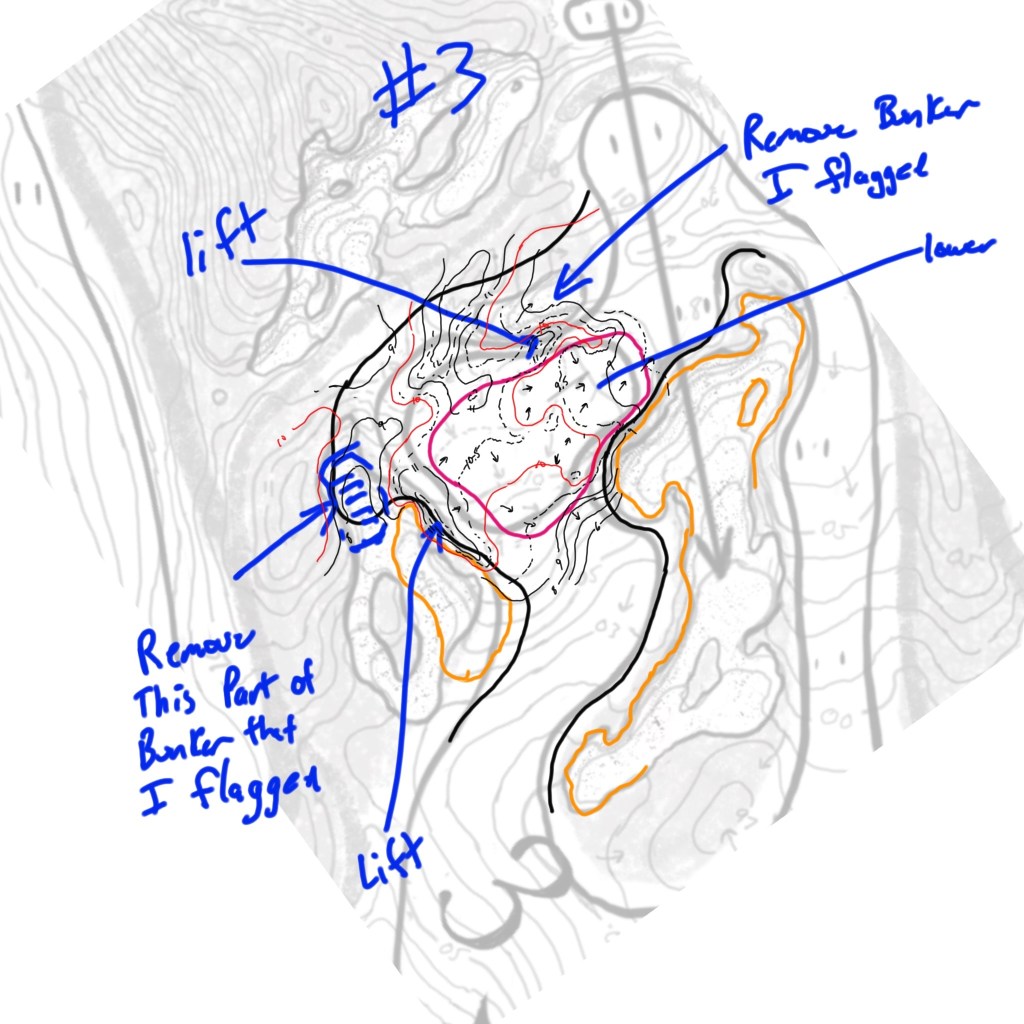
Three: The par three third has a large green with two broad ridges that tie into mounds on the back. A large tongue hidden by the right bunker can make a back right pin look like it’s stuck into the short grass between the green and the tee. It’s possible to use the slope to feed the ball down to it but most people’s first instinct will be to try and fly the bunker resulting in almost certain death. It’s one of many greens at Mapletøn that I would delight in spending an afternoon on.
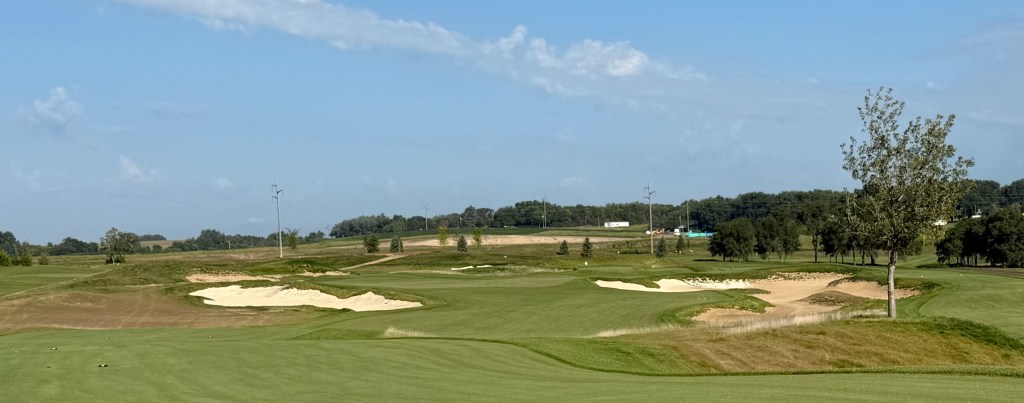
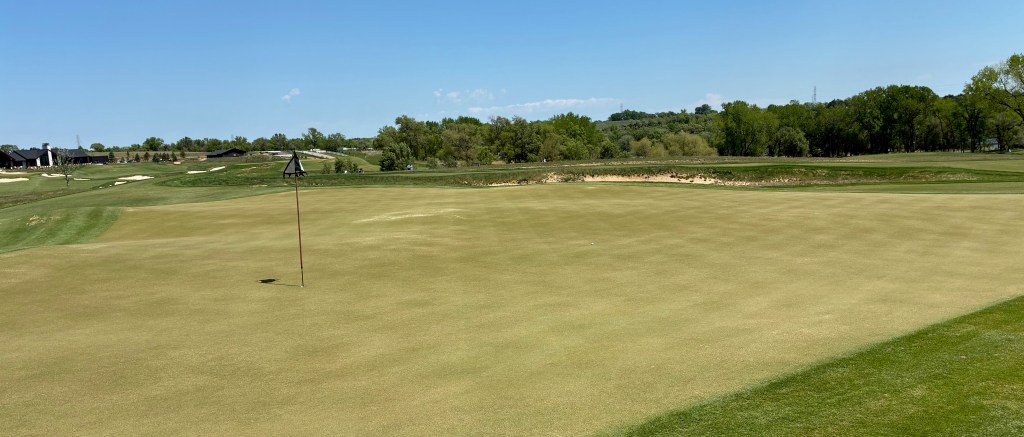
Four: An intimidating bunker guards the fairway on this short par four. Really, it’s at most a 220 yard carry from the back but the visual tricks you into bailing out to the right leaving a blind wedge in over the pushed up bunkers at the front. A drive to the left side of the fairway sticks you squarely behind the bunker that morphs into a downslope to kick anything that delicately carries it to the back of the green. As far as I can tell, the best angle depends on the pin position and you’d never regret finding the skinny center of the fairway. At only 342 from the back tees, it’s the best kind of short par four: one where the length tells you the least about what to expect.
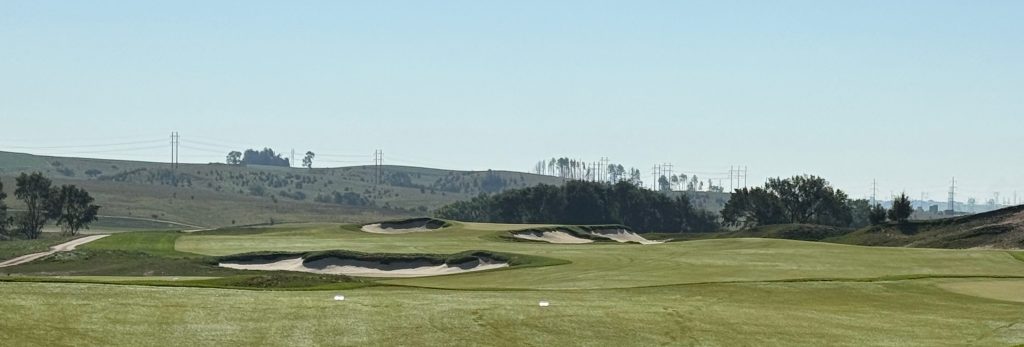
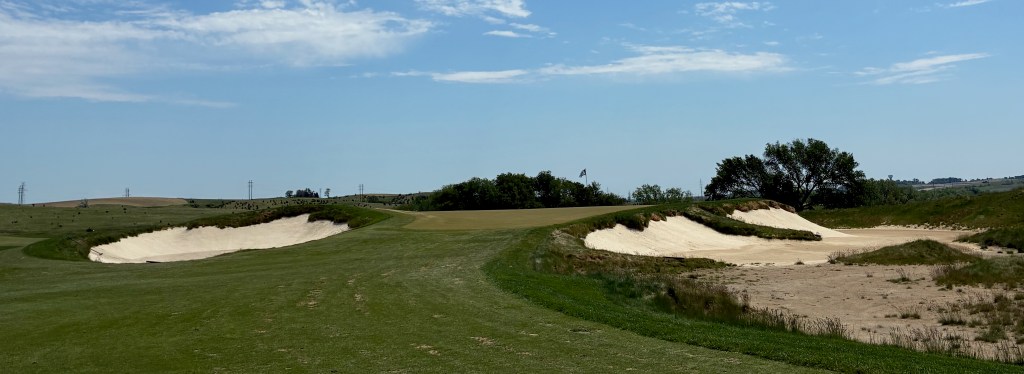
Five: If the fourth’s yardage belied expectations, the same is true of the long par four fifth. At 501 yards from the tips, the hole plays down a truly awe inspiring hill before a shallow creek cuts in 65 yards ahead of a large green covered in movement. Long hitters with a tailwind might want to think twice about hitting driver lest the stream come into play. Seriously. A valley opens at the front of the putting surface to collect short shots while a front left section hides the toughest pin behind a bunker, demanding a high (and highly accurate) approach to get close. The rest of the pins are accessible via low approaches and some of the aforementioned movement.
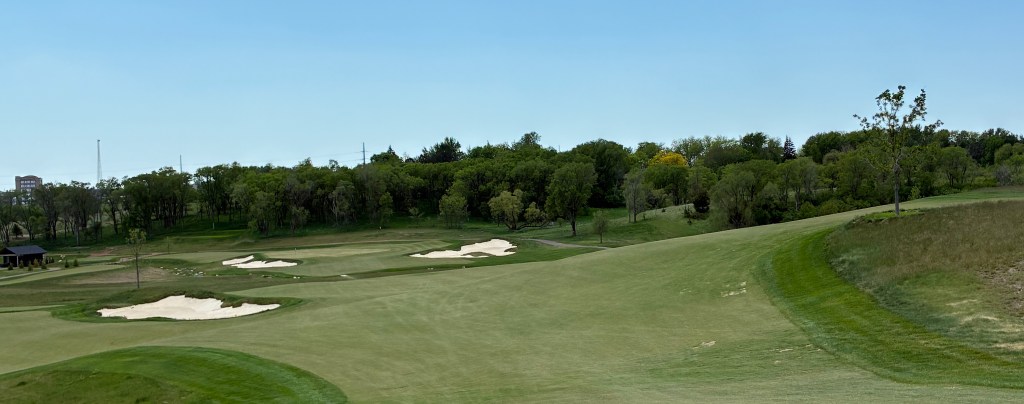
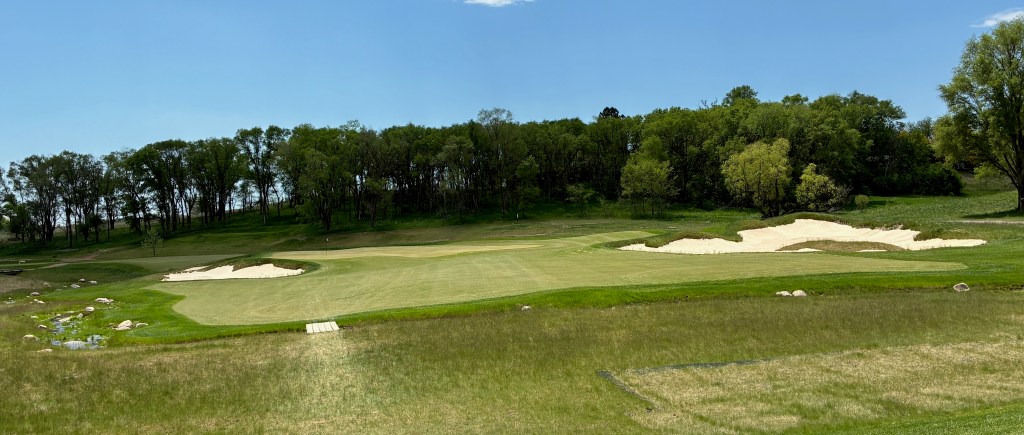
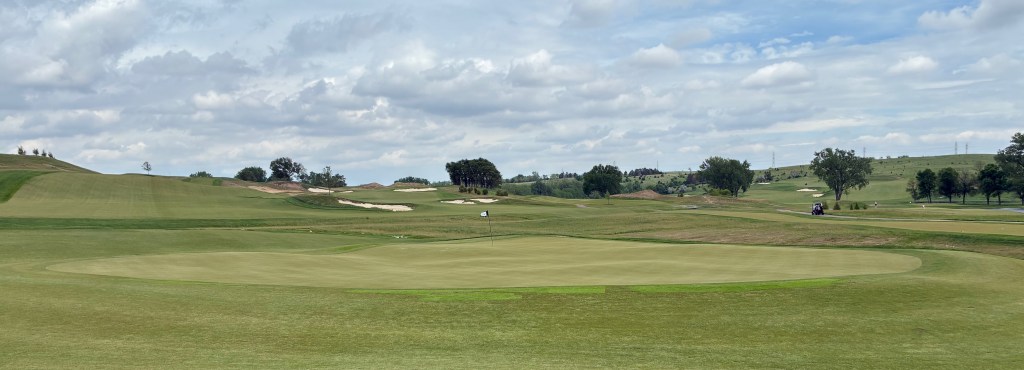
Seven: On the first par five of the round, Slip-up creek snakes along the right side of the fairway, eager to grab any shots offline, and is balanced by a bunker that creeps in from the left. A good drive leaves you with a decision: lay up safely up the lefthand fairway and have a delicate wedge across the creek to a skinny green? Or go for it in two with no room to miss but a chute that will direct shorts down to the pin. The same hill that funnels aggressive shots in for an eagle putt can act as a backstop for the layup should nerves get the best of you. It doesn’t have to be a hard hole per se, but there are so many options that you can fall victim to paralysis by analysis.
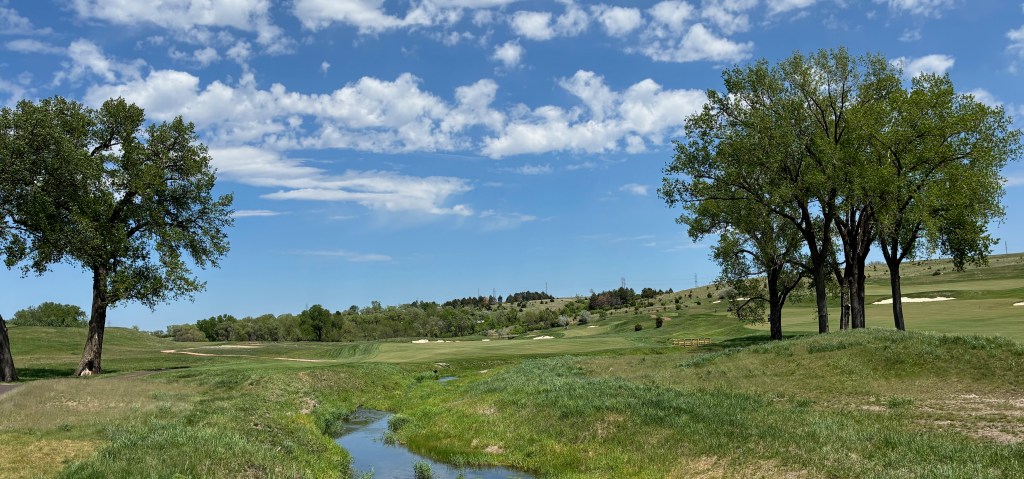
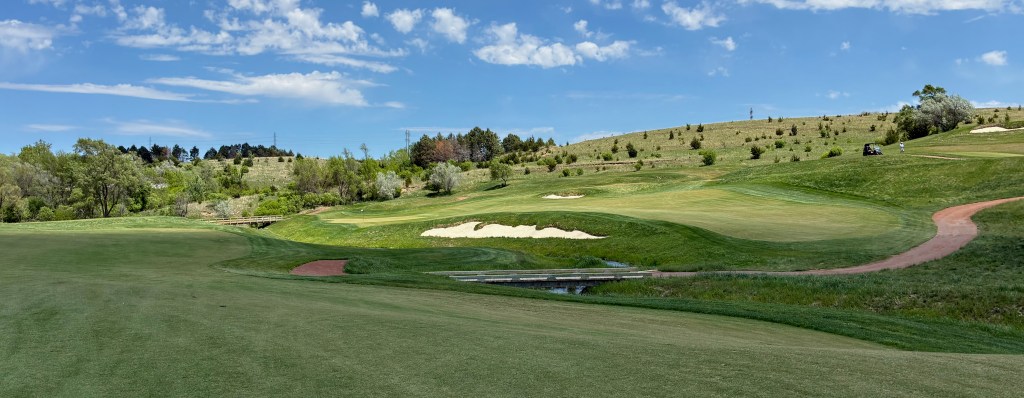
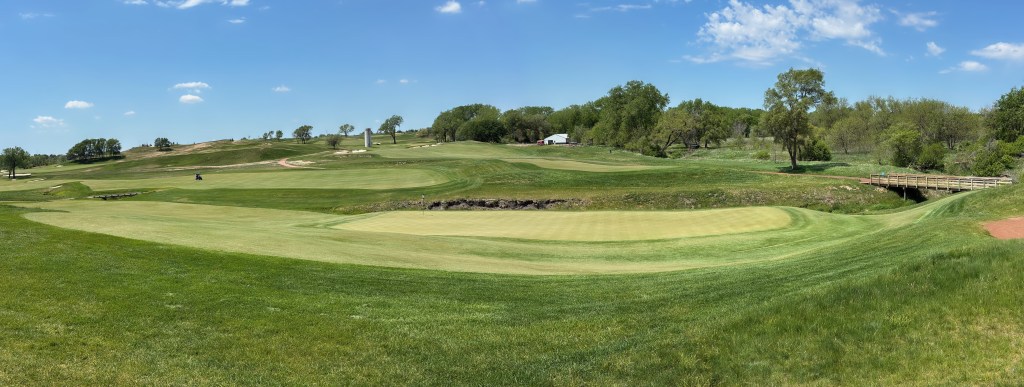
Eight: The par four eighth is what marketing professionals’ dreams are made of. From the tee, the high point of a large ridge hides the right greenside bunkers and sets up a blind approach in. Attacking the bunkers on the left brings that trouble into play but opens up a clear approach to a green that wraps around a prominent knob front and center. The front right section is the lowest part of the green, the back left is in the middle, and the back right is the highest. The internal contours offer a chance for some short game wizardry and putts to the different sections while the knob provides a good challenge for a front and center miss. It’s another green I could spend hours on trying different chips, pitches, and putts.
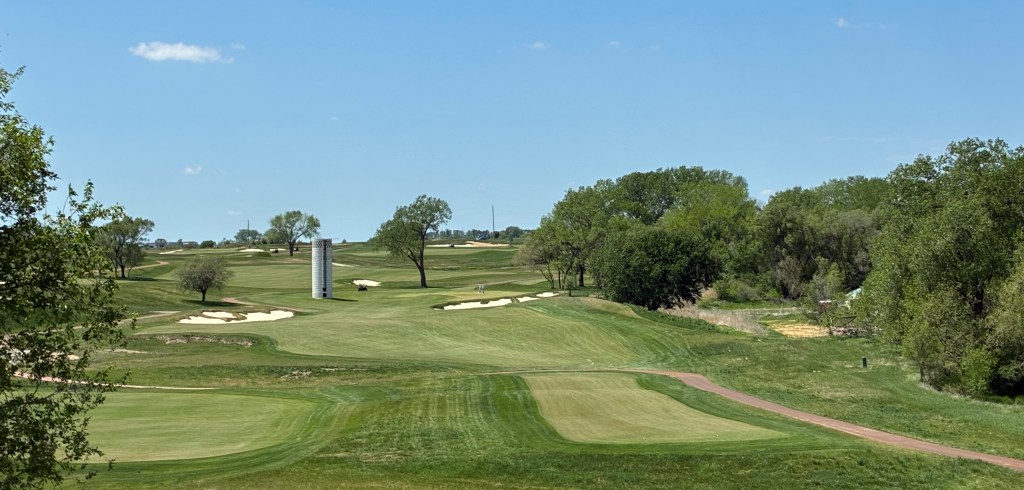
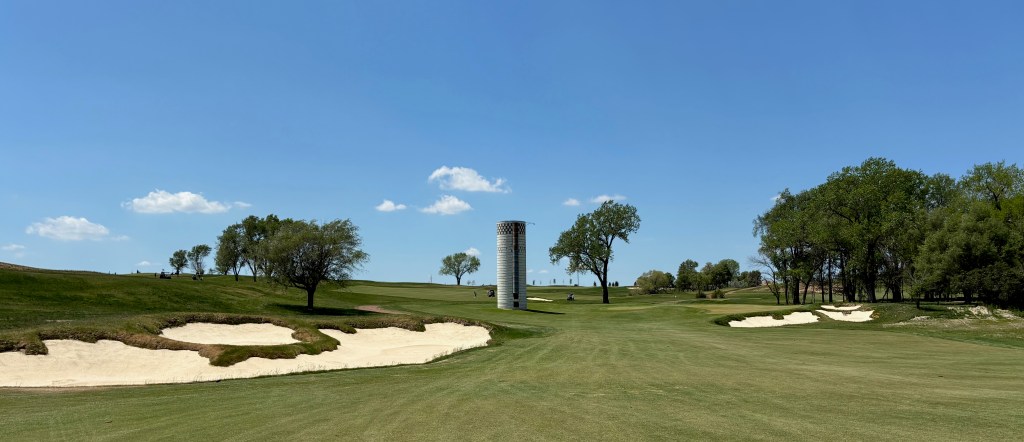
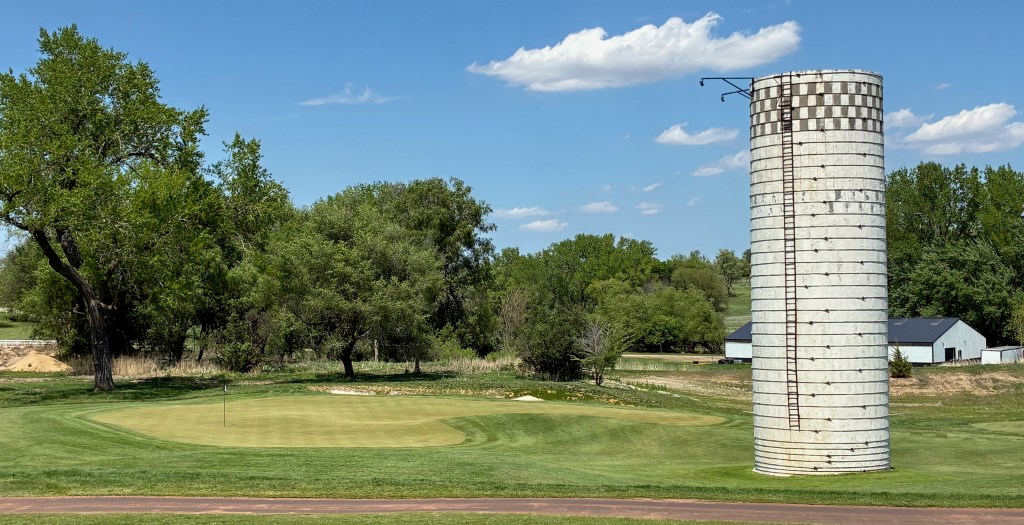
Nine: The long par four ninth (515 from the tips – no vertical reprieve this time around) wraps around a section of woods that hug the right side of a waste area and, classically, the closer you get to the sand, the better the line into the green. The safe and smart play is at the single tree on the left. A well struck ball will come off the slope short of it and kick the ball towards the A-position or even around the bunker if hit well enough. The green is a mostly blind punchbowl and well-guarded by bunkers both front left and right. The left pair appear greenside, but leave room beyond them to corral the ball.
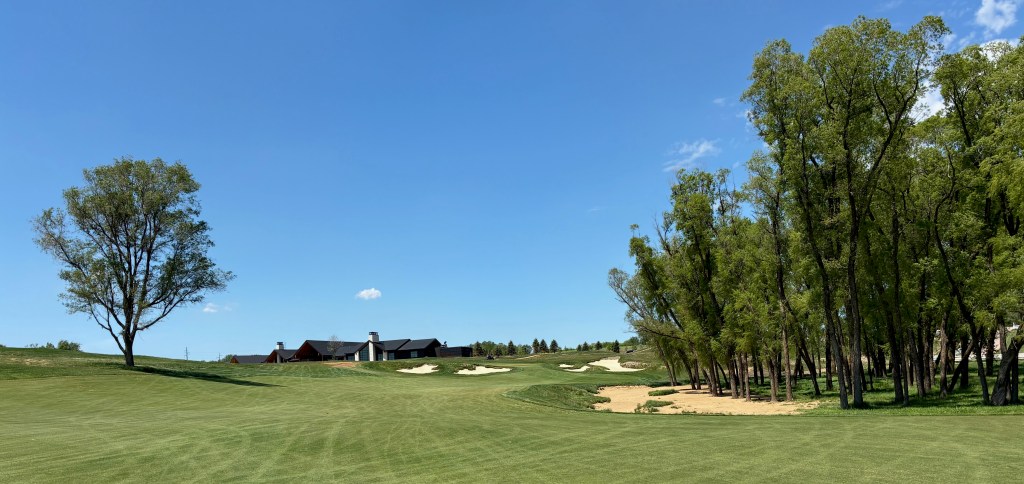
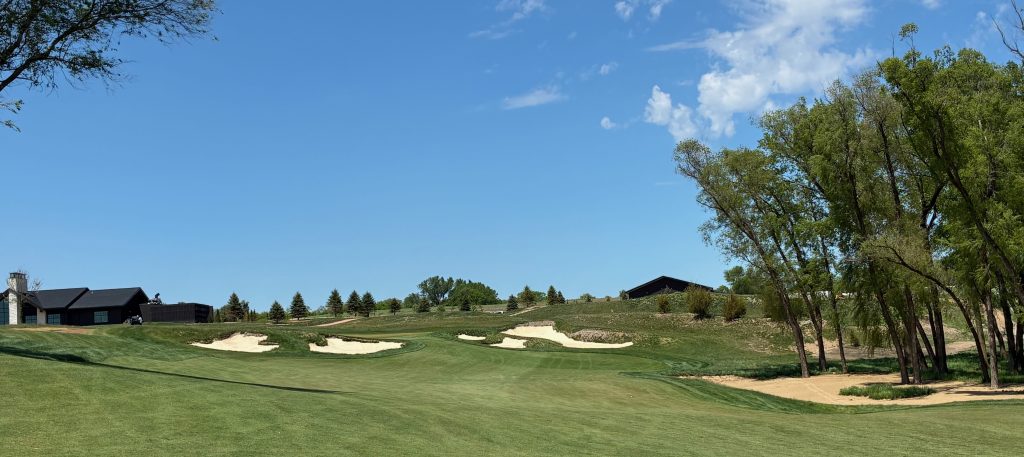
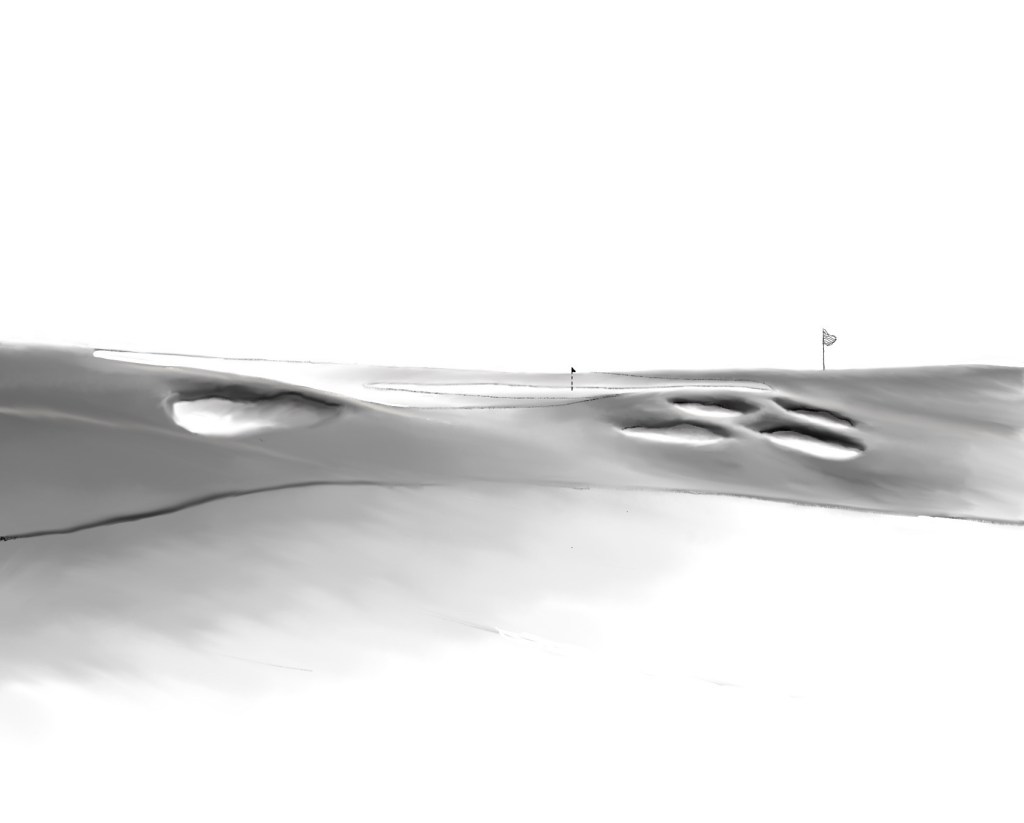
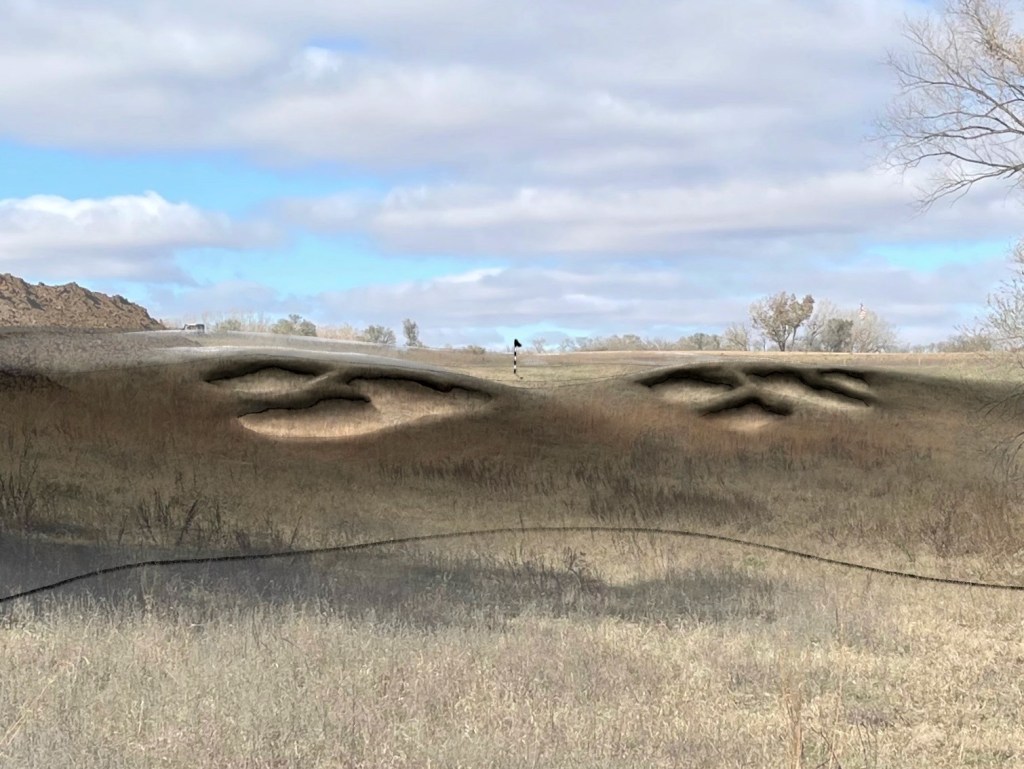
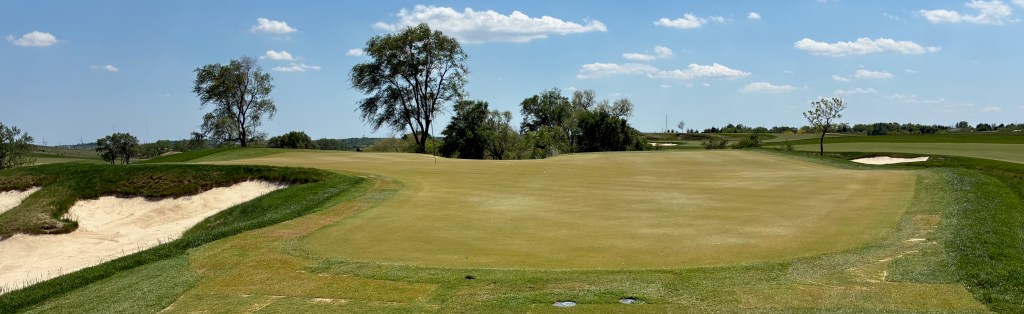
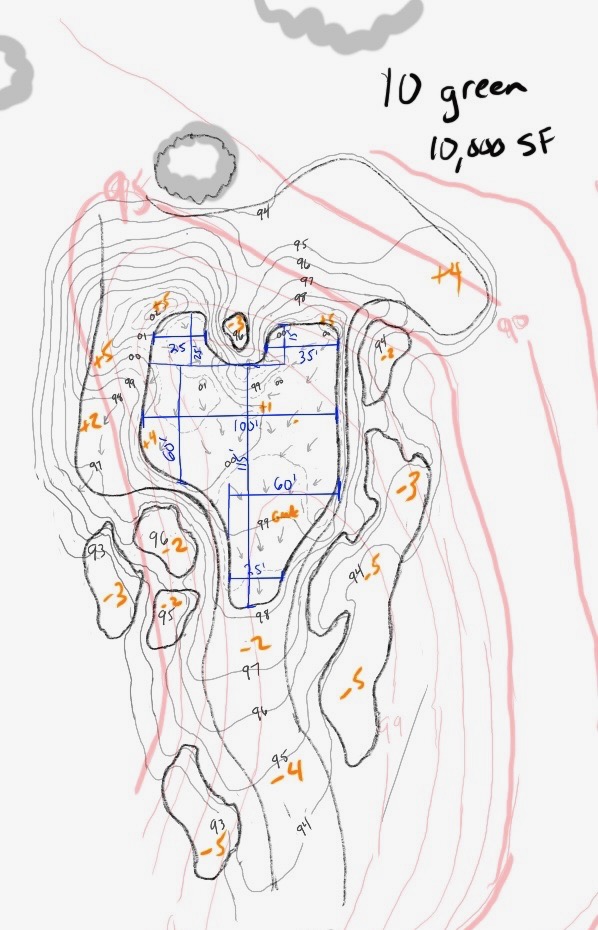
Ten: Like sixteen at Lost Rail, the tenth is a shorter par three perched atop its own small hill. It’s intimidatingly bunkered at the front with a bit more of a subtly contoured green that doesn’t lack in style. Two back ‘wings’ are bisected by a funnel ready to carry long misses down to the eleventh tee. It’s a short par three with a big green that’s exposed to the wind with no certain two putt. A perfect combination of approachable and underestimateable.
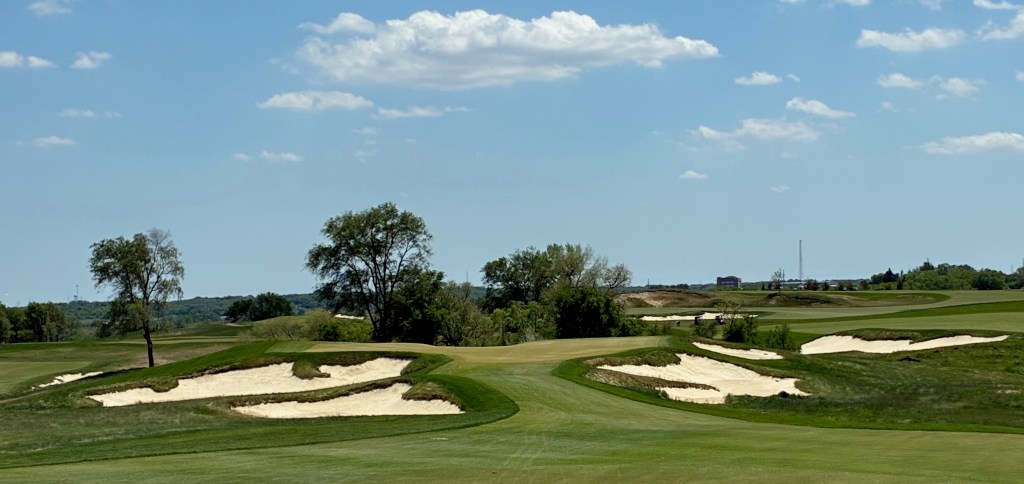
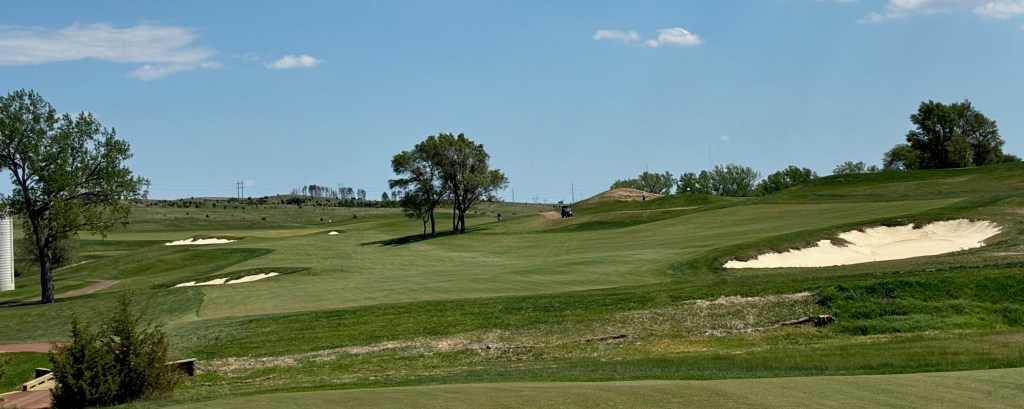
Eleven: Taking on the left side and fairway bunker on this long par four offers the reward of an open (and mostly unobstructed) look at the green. A safe drive to the right puts a small grove of cleverly retained trees in the way that shouldn’t bother people who can hit the high ball. That doesn’t mean they’re free of consequences for a safe drive as an extraordinarily devious mound at the right side of the green could do just about anything with an approach: kick it right and behind the hump, left into a cute little pot bunker, long and over the edge of the green, or mercifully onto the dance floor. It plays a little like the eleventh at Augusta if it was uphill, waterless, and had more bunkers. One of my favorite holes on the course.
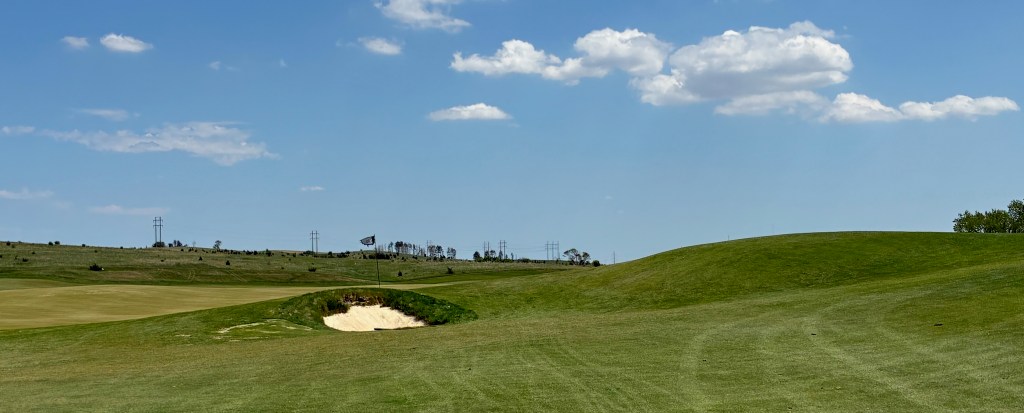
Twelve: There are only so many times I can write the phrase “brilliant short par four” before it loses meaning. This isn’t one of those times. The ideal position is in a little notch of fairway to the left of the bunker in line with the dune. From here you have an open look at the green and if you can’t see a pin, assume you need to play a low shot to the raised front right portion that will feed the ball back to the back half of the green. From the tee anything flared right will tuck behind a slope on top of which sits a windbreak of trees. If you somehow find yourself left of the dune next to the green, I have absolutely no suggestions. Good luck.
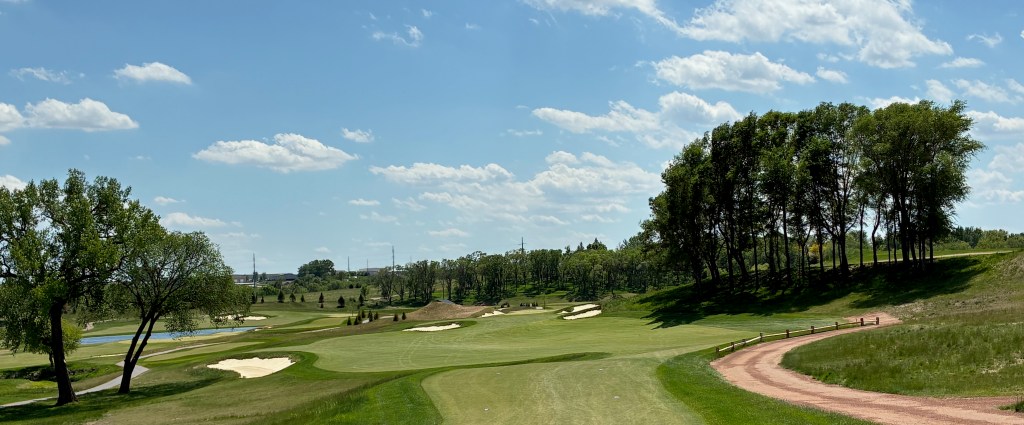
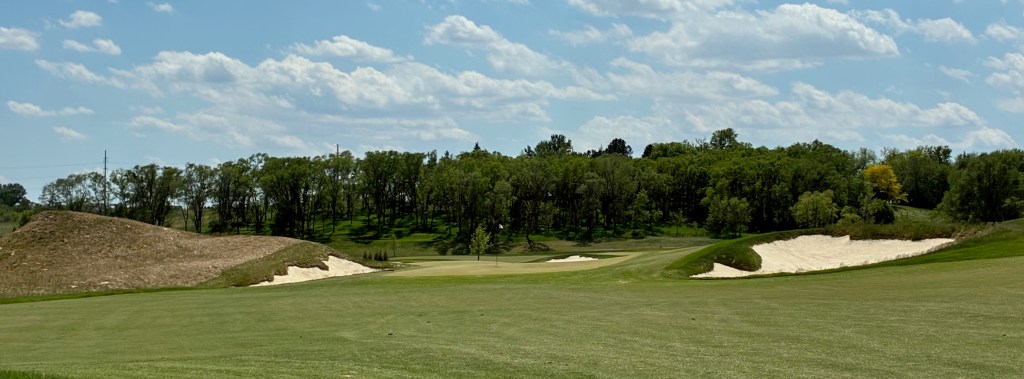
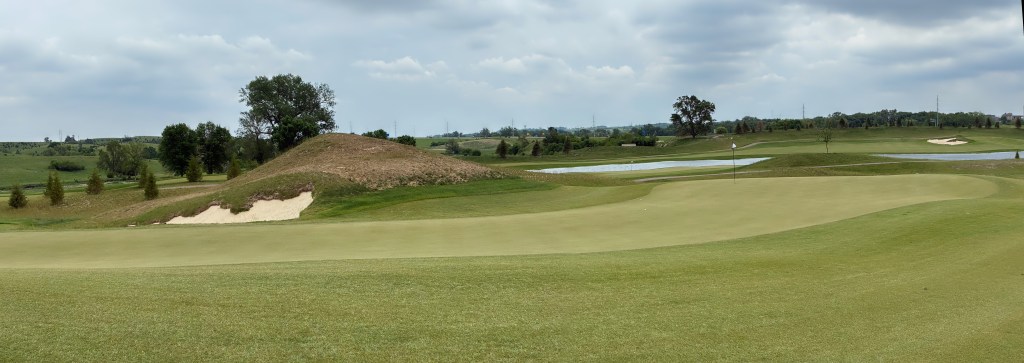
Fifteen: The fifteenth is a brilliant driveable par four. The pin position will dictate where you want your drive to carry the bunker. As you can see in the image below, each portion of the green has a corresponding slope to help bring the ball to the pin. Hit it on, but out of position and you’re in for an exciting putt.
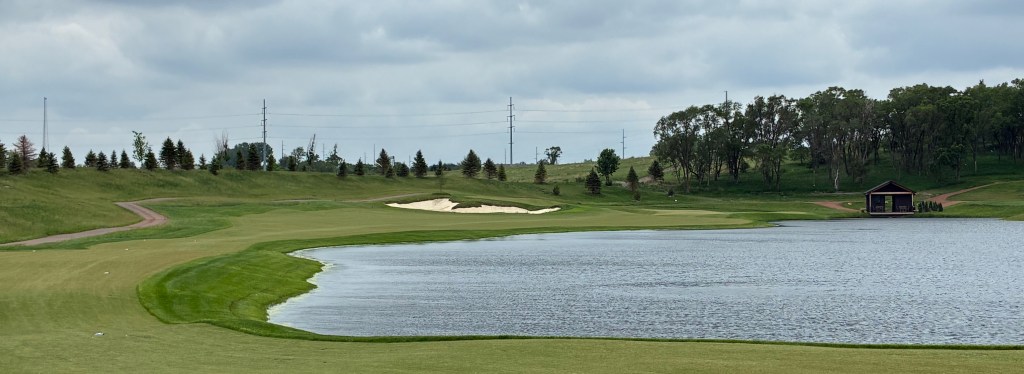
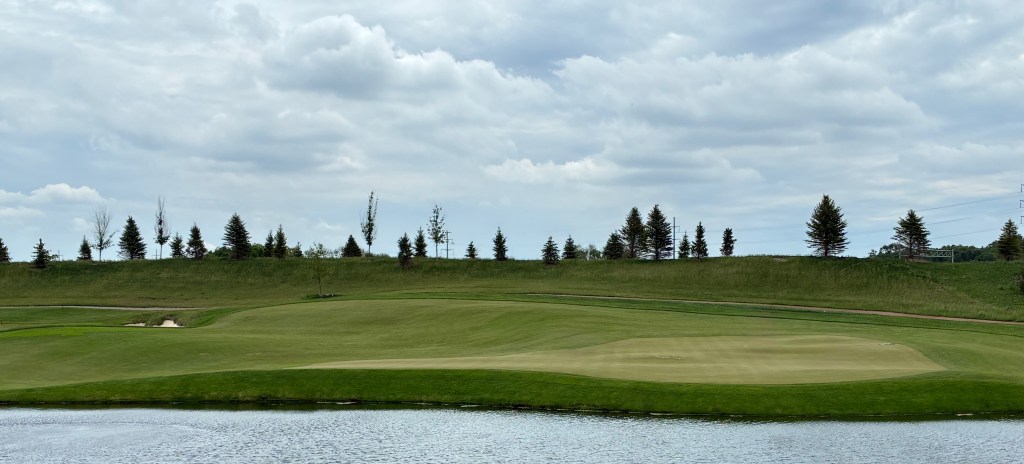
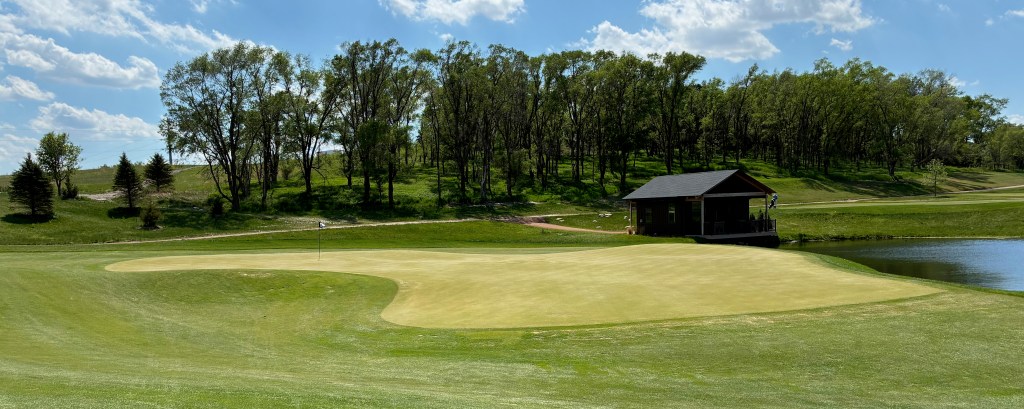
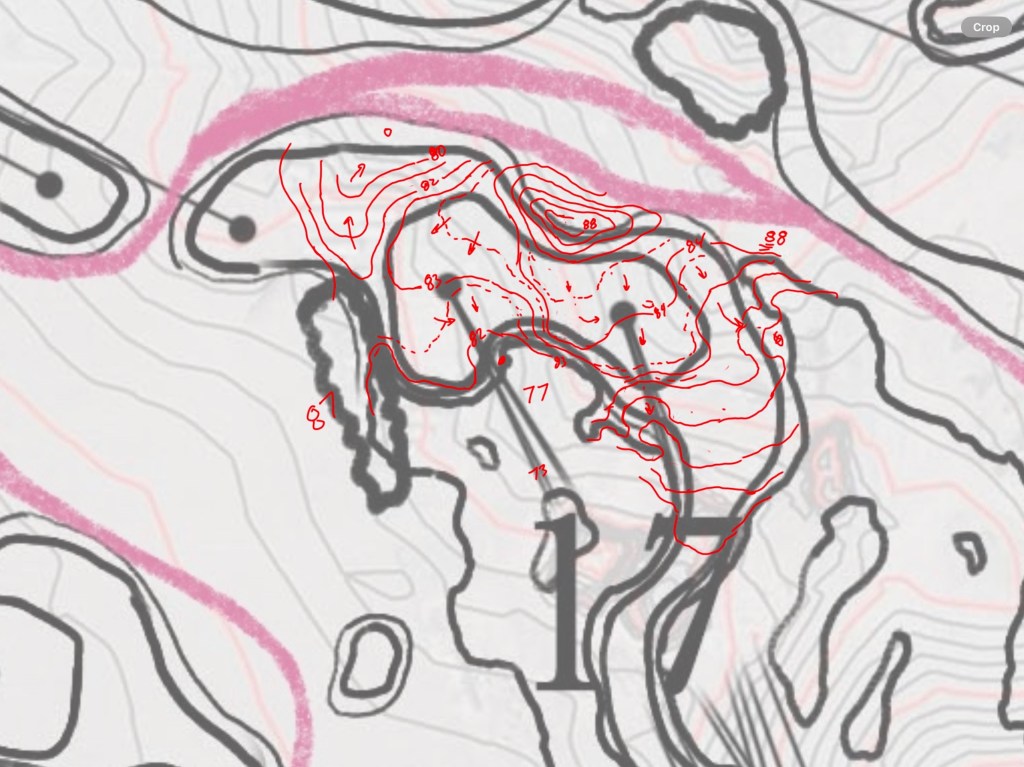
Seventeen: From the tee, this hole appears to be all sand no green. This camouflage hides the surprisingly large two tiered putting surface where finding the correct side is critical. Once the native grows in, this will be another stunner.
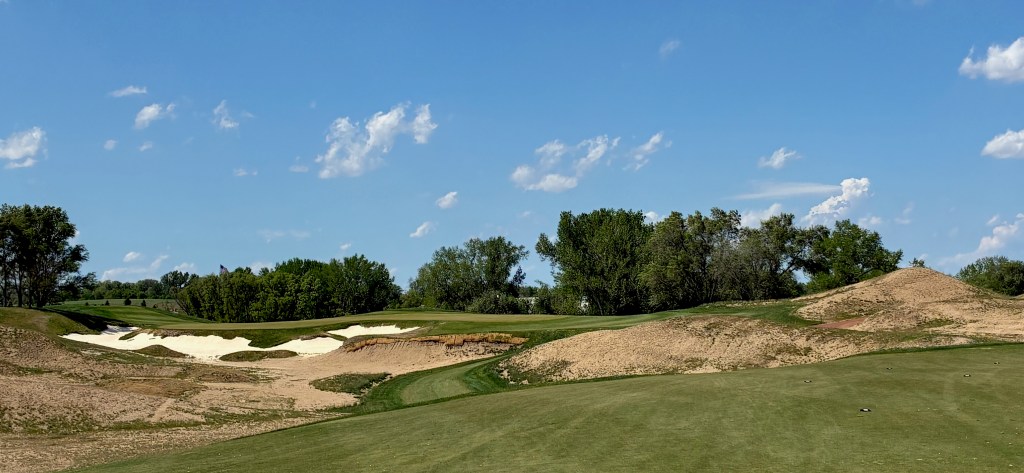
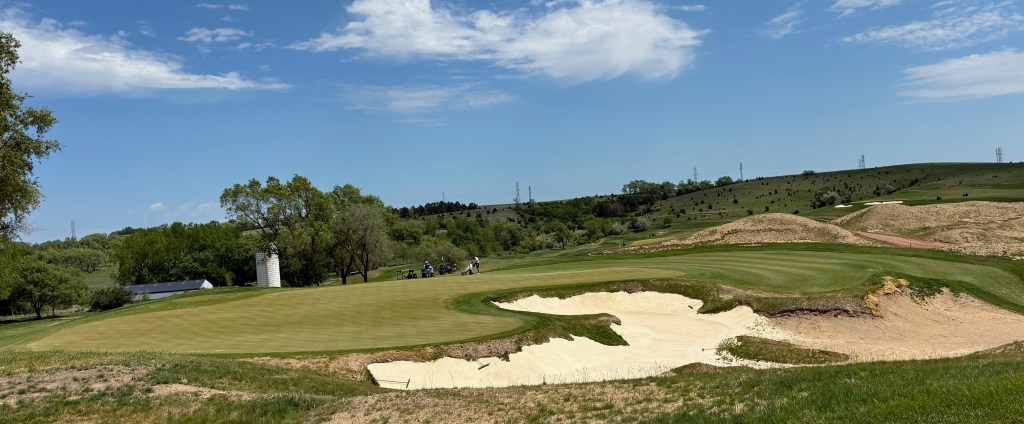
Final Thoughts
I was fortunate enough to play Mapletøn twice, a week apart. The first day was calmer and sunny. The second day was windy and spitting rain. The first day I took high shots into greens and the second day I had a lot of fun playing the ground game, keeping the ball low on just about every shot I could. In the best kind of way, it played like two different golf courses. Members out here are awfully lucky. They’re able to, as the cliche goes, play a different course every time they’re out. Don’t get me wrong, it’s a tough course with little protection from the wind but the generous fairways and bevy of ways to get to the hole will help the shortball short game wizards keep up with the bomb and gouge crowd.
Hoffman is currently at work on a complete redesign of the Finkbine Golf Course at the University of Iowa in Iowa City which, being his first publicly accessible design, will no doubt draw in some new fans. When it opens, I’ll be there as soon as I can.


Leave a Reply