East End, Arkansas
Architects: William Langford and Theodore Moreau
Walkable: Hilly but well routed without any punishing transitions
Highlighted Holes: 1, 2, 3, 4, 5, 6, 7, 8, 9, 10, 11, 12, 13, 14, 15, 16, 17, 18
This project is the result of a collaboration with my friend TJ Patterson who built the course virtually and whose tireless research made this all come together. It’s as much his as it is mine.
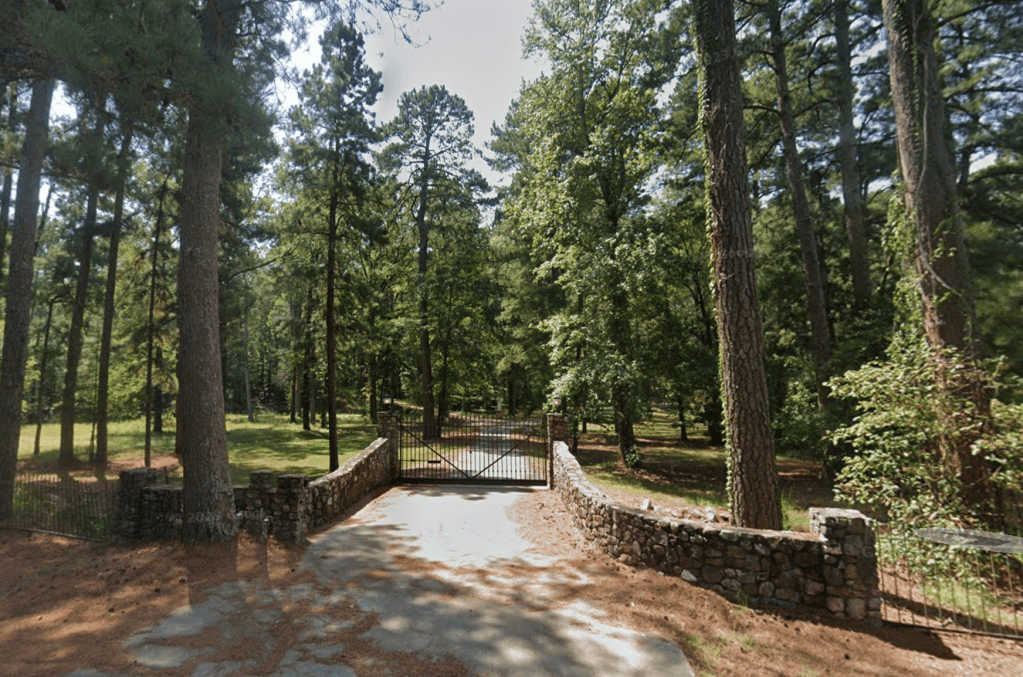
By 1927, William Langford and Theodore Moreau were at the height of their powers. The architect and the engineer had built Culver Academies, Wakonda, Happy Hollow, Clovernook, Marquette, Harrison Hills, and Spring Valley; some of their finest existing work. They were only three years from Lawsonia and West Bend. Then, like now, Arkansas wasn’t known for the quality of its golf, the pair’s Texarkana Country Club, built two years earlier, being the state’s crown jewel.
From the beginning, Little Rock’s Al Amin Shriners were intent on building a great golf course, biding their time as they searched for the right parcel of land. After five years of site visits, they settled on 360 acres in East End that would become their club. Once they found the land, they wasted no time finding their architects.
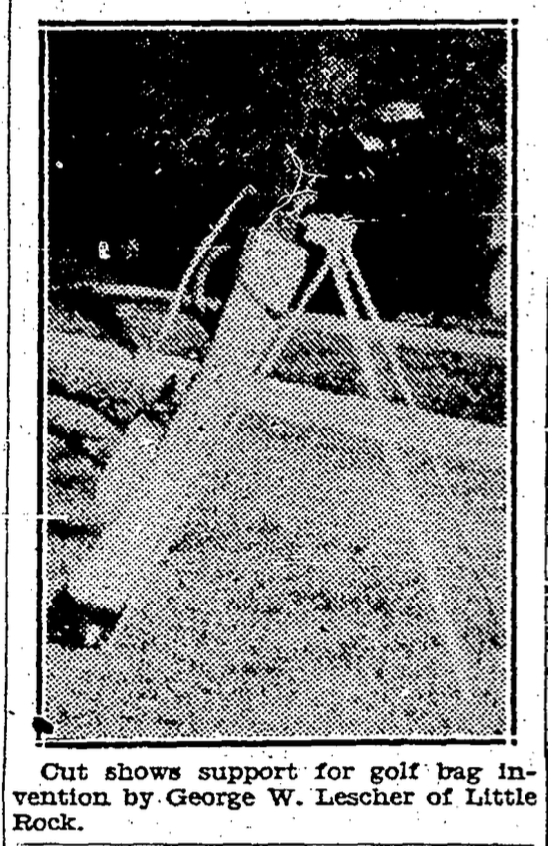
In the fall of 1926, it was announced that Langford and Moreau were selected to make a return journey south to lay out what was then referred to as the Shrine Country Club. With an aggressive build schedule, George Lescher, inventor of the stand bag1, was the onsite supervisor for the course and finished the work in only seven months, leaving Little Rock on May 22, 1927. The first nine holes were ready to play July 16, but the full eighteen wouldn’t be finished until the next spring.
The small number of reviews were immediately positive. Arkansas Gazette Editor Henry Loesch declared it, “among the very best in the country,” and club professional Alex Guild compared it to, “the great Kings course at Gleneagles, regarded by many as the best inland course in the British Isles.” On top of praising the quality of the layout, it was declared one of the sportiest courses around, a period term used to denote its difficulty. Other than these early plaudits and a rave review ahead of the club’s 1928 invitational, Al Amin was largely overlooked.
That the best golf course in Arkansas, certainly one of the best in the south at the time, went unnoticed by aficionados, golf writers, and the itinerant golfing class of the time feels both unprecedented and entirely predictable. The Roaring Twenties was a booming time for not just golf construction, but great golf construction. Some of the top architects of the day were designing courses as quickly as they could find opportunities. A.W. Tillinghast trekked across the country spreading his influence far and wide. Donald Ross’ four hundred plus from Florida to Maine with a westward bound of Colorado were second to none. Arkansas, however, missed out on this boom. The best courses at the time were Texarkana and Willie Park Jr.’s Hot Springs, with little else worth traveling for. Why take the chance when there was so much else to see?
While one can discount course ratings, it’s hard to ignore the overwhelming influence the 1920s had on American golf. Each year, Golfweek ranks two hundred classic (pre-1960) and two hundred modern (post-1960) golf courses. Breaking them down by decade, the 1920s boasts an astonishing 112 courses in the top 200 classic designs, a whopping fifty six percent. In contrast, the 1930s are represented by a mere 13, evidence of the devastating impacts of the great depression more than a sudden lack of architectural talent.
As such, it isn’t that there weren’t great golf courses everywhere by the late 20’s. And it isn’t that they didn’t get seen. It’s that there weren’t great golf courses in Arkansas. So when one was built, who would expect it? Who would travel for it? Who would believe it?
It’s no surprise that all but the wealthiest and most established golf and country clubs struggled during the depression. Without a national membership and high status to lean on, Al Amin was, like many clubs, at the mercy of the economy. According to Keith Cutten, “club membership numbers…fell by up to sixty-five percent as disposable income disappeared.” Arkansas was hit by both the dust bowl and the depression, a devastating one-two punch. The Grapes of Wrath treatment taking livelihoods and leaving recreation as an afterthought.
The club held on until 1937 when the property was purchased by quack doctor John R. Brinkley, inventor of a male virility treatment involving transplanted goat testicles. His ownership didn’t last as the property was bought by the Baptist Hospital in Little Rock. While the course stayed open on and off to the public into the 1940s, the conditions flagged and the site fell into disrepair. In 1952, the Carmelite Monks bought the property and continue to own and use the land to this day.
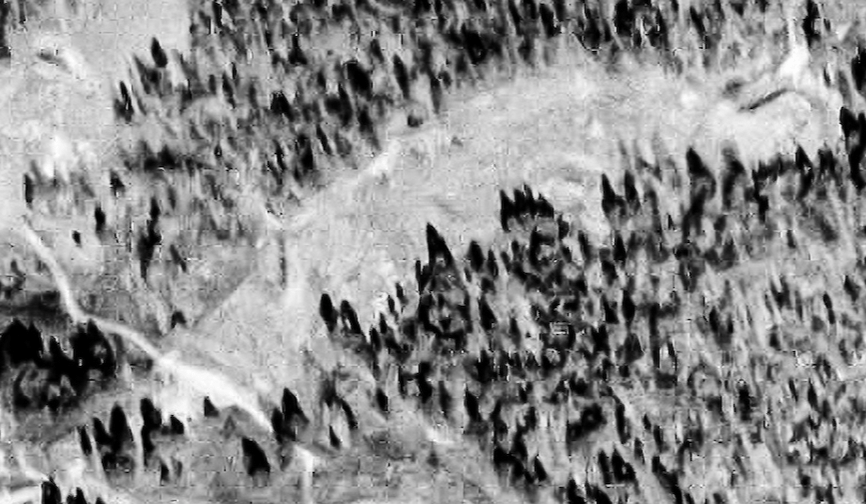
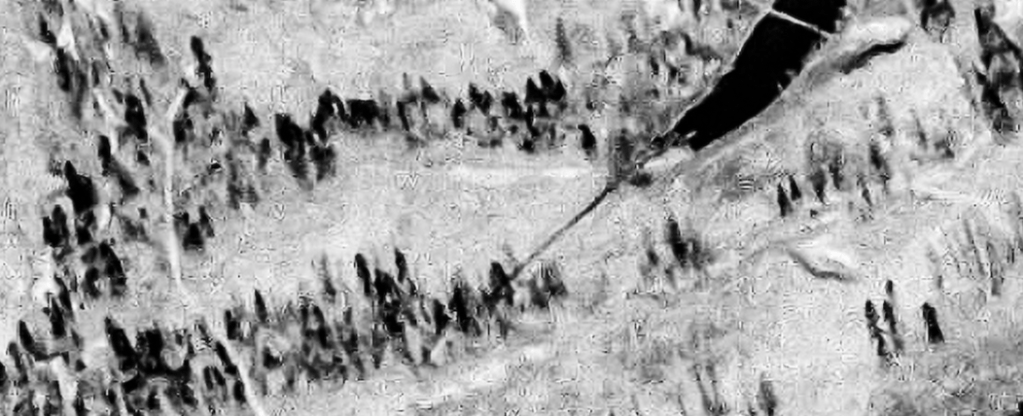
Following in the footsteps of Chris Buie’s Overhills and Peter Flory and Brian Zager’s Lido projects, we have recreated Langford and Moreau’s lost course. Using USGS lidar data, TJ has resurrected the course, albeit digitally. That the land upon which now sits the Marylake Carmelite Monestary has remained largely untouched is miraculous. Over time, a loblolly tree farm was planted which covers the bulk of the property. Unlike a development project, this tree planting left the bold Langfordian features intact. Lidar imagery’s ability to penetrate trees has revealed the masterwork.
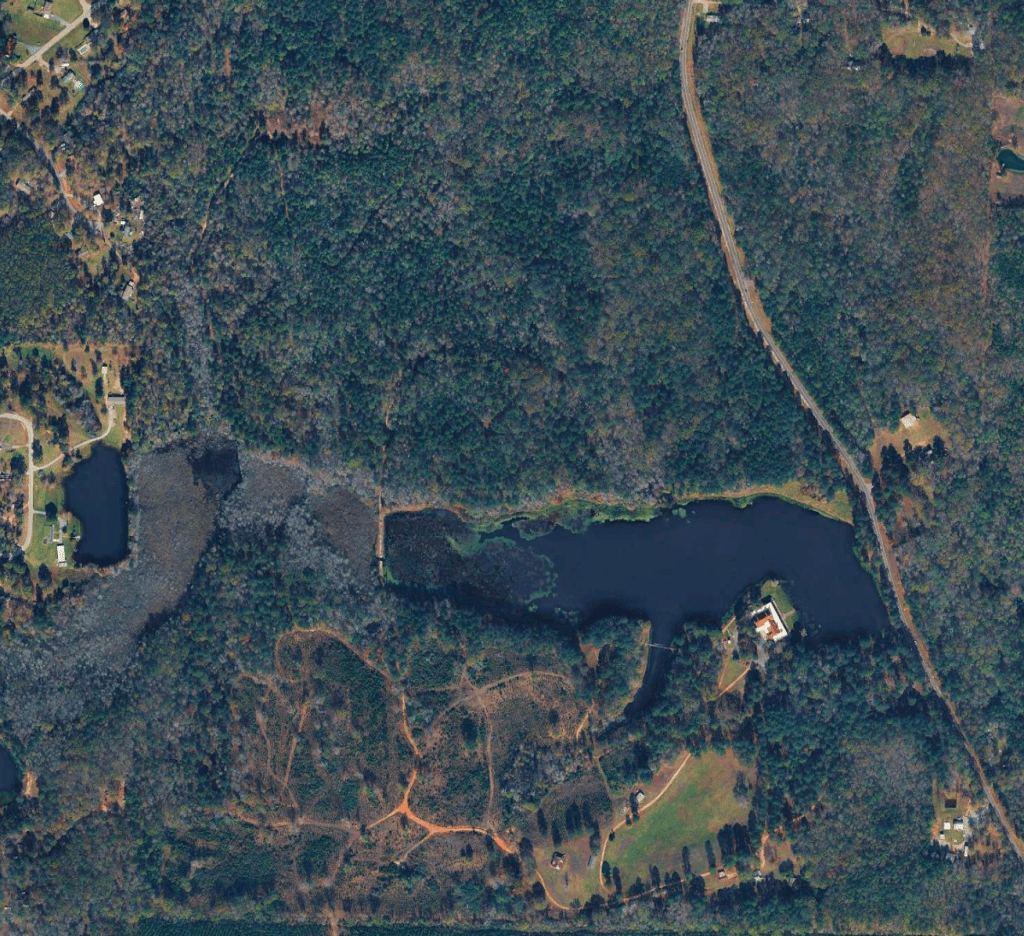
All 18 holes are there in the ground and presented as closely as possible to what would have been with only a couple of exceptions that are detailed in the hole descriptions. Some paths and maintenance roads meander through the property but don’t seem to have affected the bulk of the shapes.
The Course
It should come as no surprise that the second of the pair’s Arkansas courses was built with the same principles as the rest of their designs. With brilliant rolling lakeside land,strategic and deep grass faced bunkers, and greens that look to have been as good as anything they built, Shriners was something special.
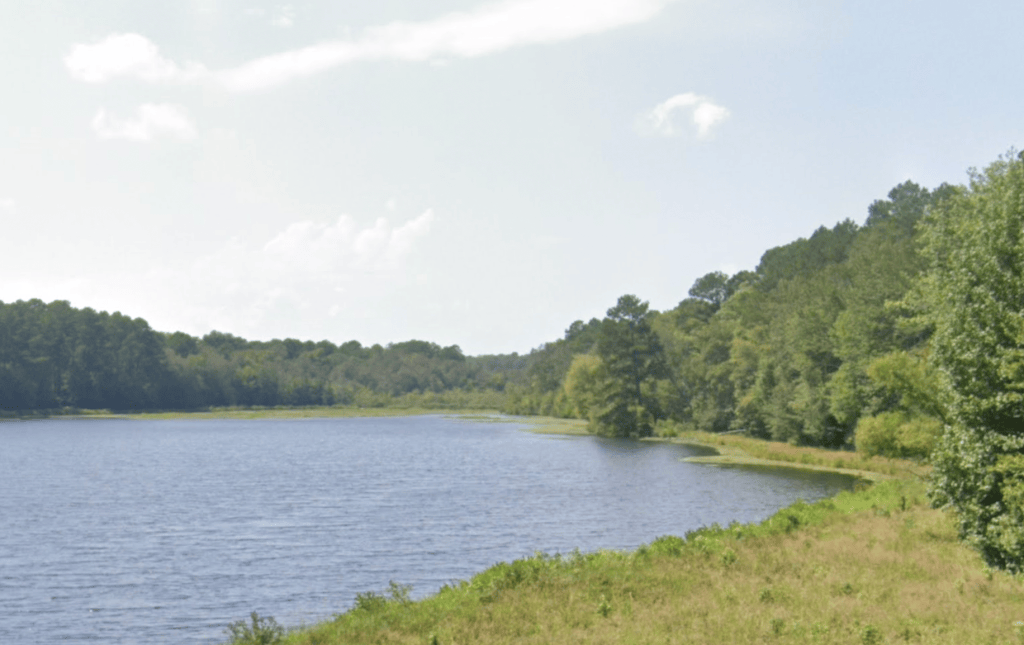
The land plays as big of a role in the strategy and angles as the bunkers or greens. Being able to bring the landforms to life via the lidar made all the difference. We are lucky that the bones of the course are almost completely intact.
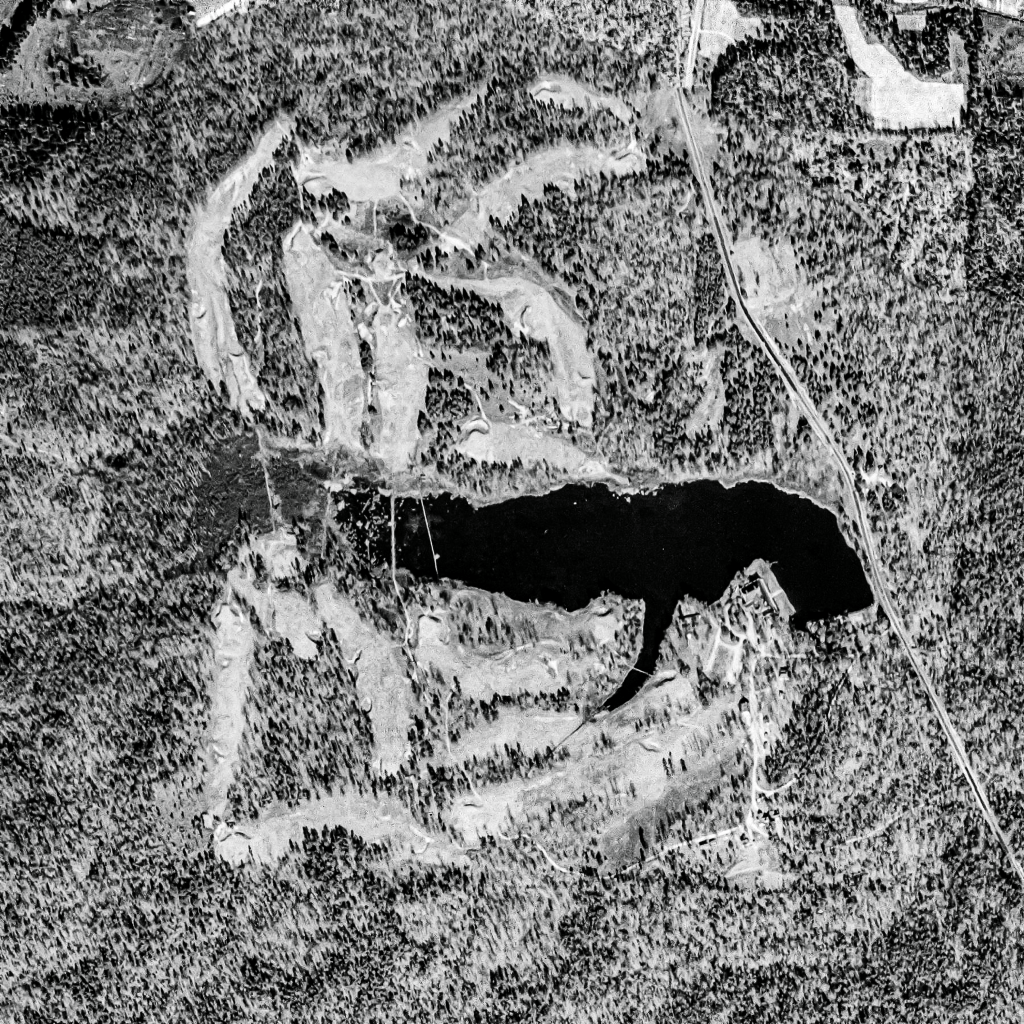
Comprised of two interwoven nines each returning to the clubhouse, the course sat on fairly dramatic rolling land bisected by Pine Lake. There were tee shots across it and even a couple from within it as island tees were built, mirroring the one they did for Texarkana.
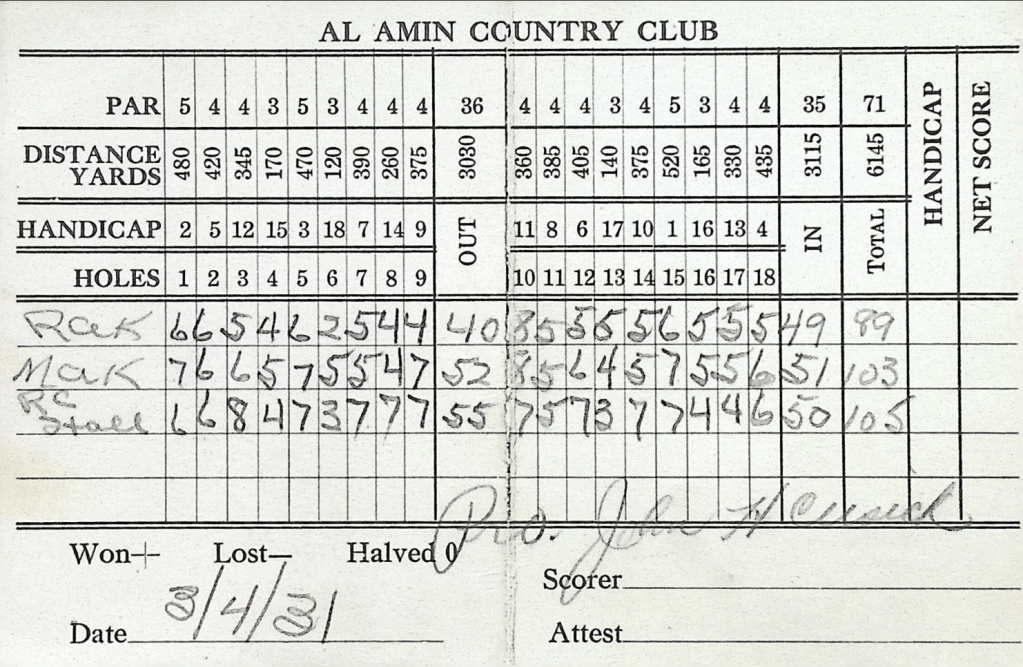
The yardages on the scorecard from 1931 are shorter than the hole lengths as described in the newspaper leading up to the 1927/28 opening. As such, we’ve attempted to create tees representing both in the model.
One (Par 5, 480 yards): By today’s standards, the first is a short par five. It’s fairly straight over gently rolling terrain that first cants left to right before twisting back to a green site that runs right to left. One of Langford’s signature short fairway bunkers sits approximately 150 yards from the tee ready to mock anyone who happens upon it. Though treelined, the fairway is generous. The green is flanked by a bunker right and has a smaller upper tier on the right and a larger lower one on the left. It sits on a subtle hill repelling balls with a false front and fall away left side.
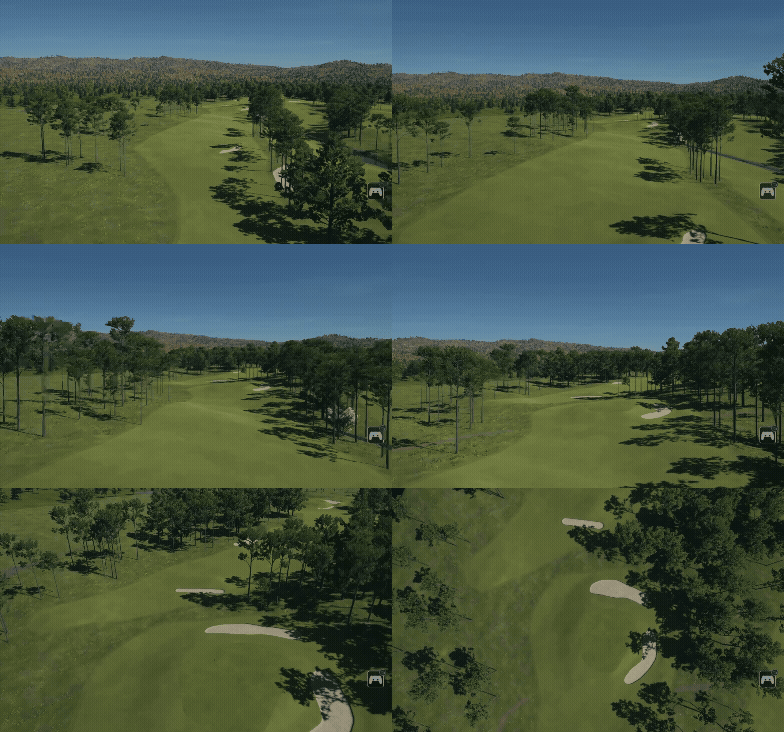
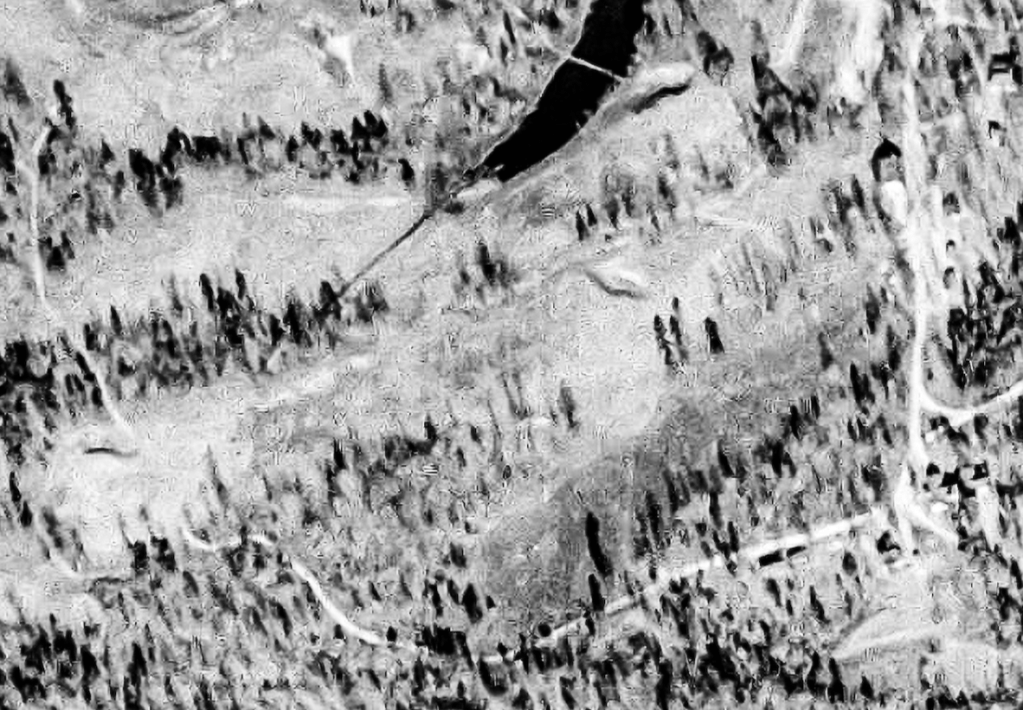
Two (Par 4, 420 yards): The second is one of the longest par fours on the course. The tee shot plays to the top of the hill past a couple of fairway bunkers on the right before turning left and down towards the green. The trees left of the fairway are close enough to the tee that attempting to cut the corner is risky, though hugging them will result in a better angle in. The green rises after the downsloping fairway and is guarded by a deep front right bunker as well as sand on the left and back right. The green is somewhat tame, sloping slightly left to right with one tricky spot above the deep bunker.
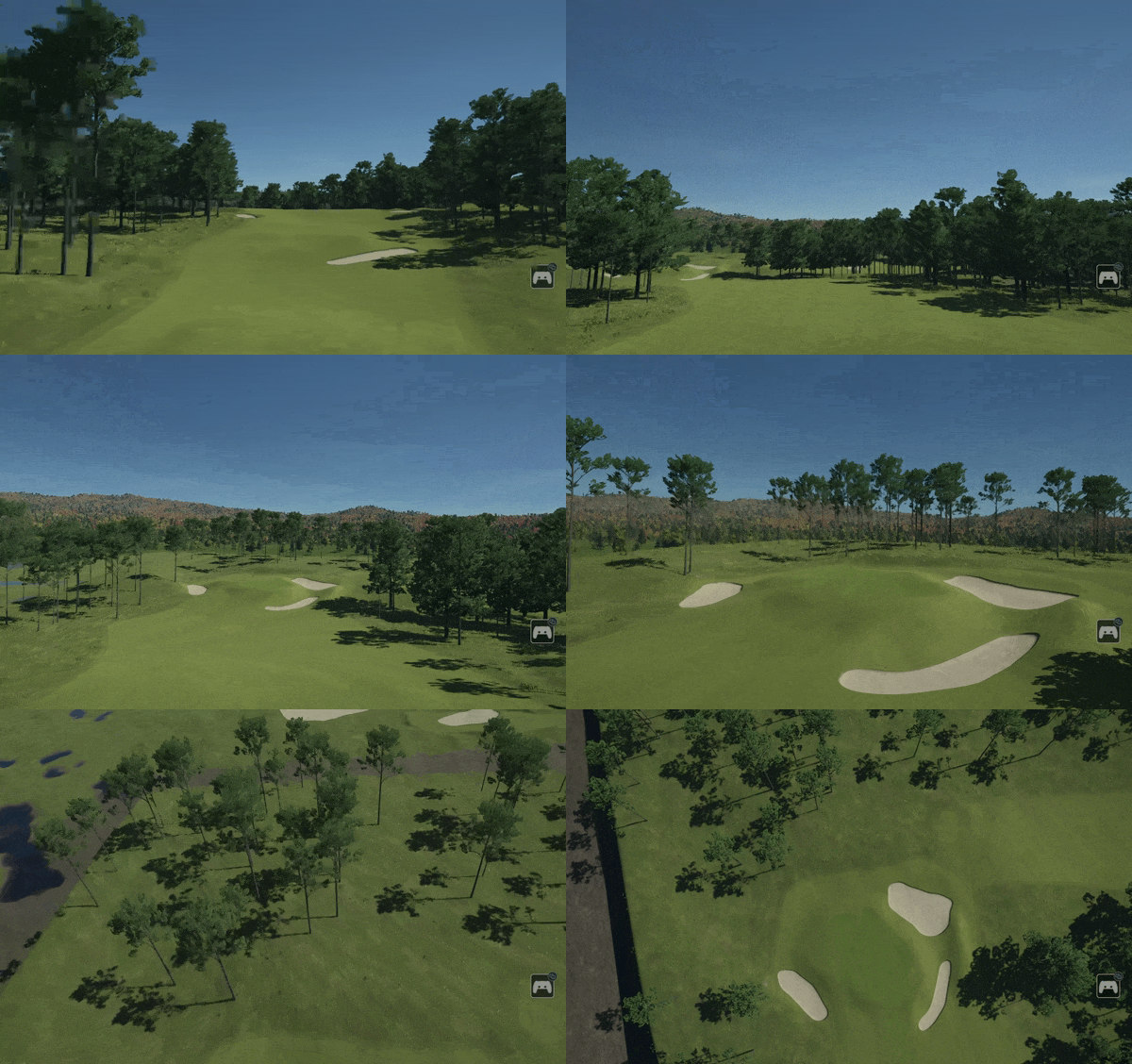
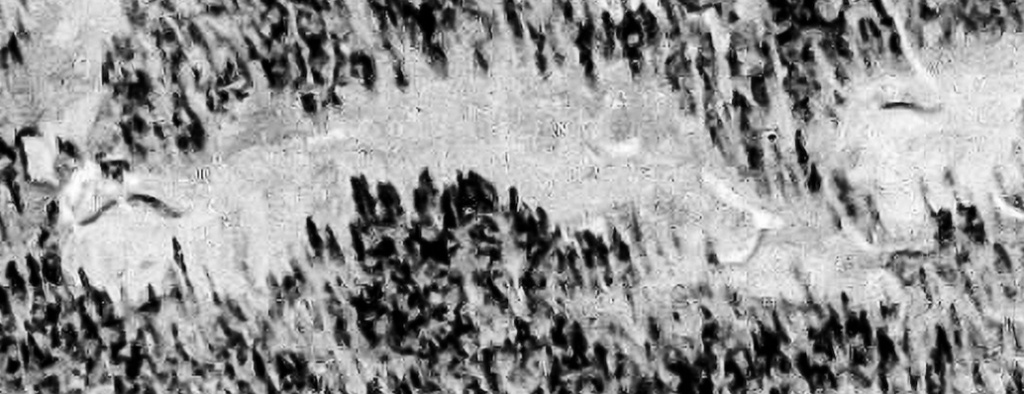
Three (Par 4, 345 yards): The 345 yard third makes good use of its land. A fairway bunker 260 out should make you think twice about driver but managing to find the slim landing area left of it will result in a mostly level approach to the raised green. Carrying it far enough on this line could run you up on under regulation. A safe tee shot to the right of the bunker finds the fairway but leaves a blind uphill approach to a green guarded by bunkers left and right. Long is 15 at Augusta dead and short rolls back to another tricky uphill pitch. It’s a devilish little par four that plays tougher than the yardage suggests.
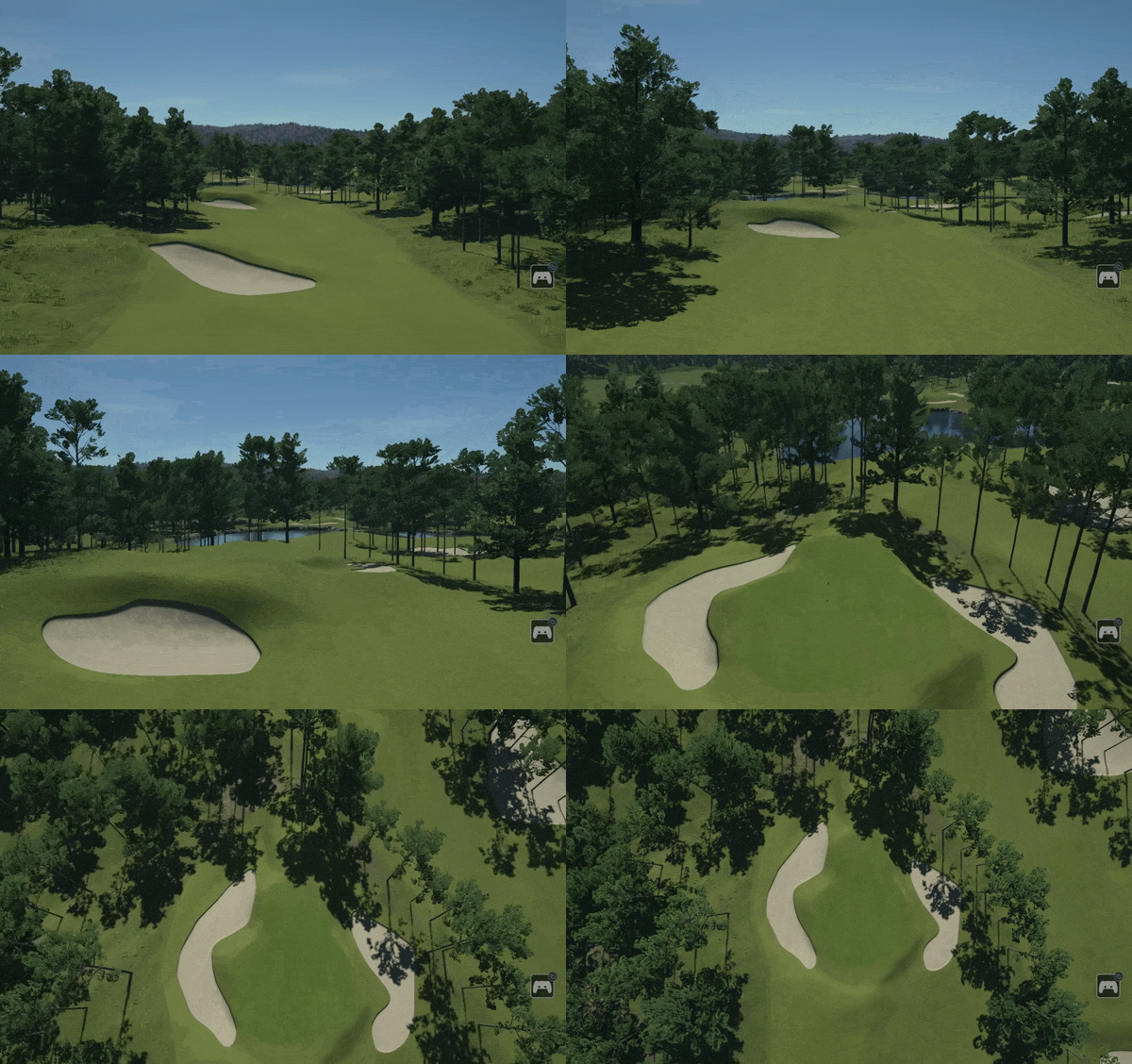
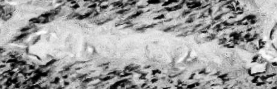
Four (Par 3, 170 yards): The 170 yard par three fourth plays high point to high point with a valley running diagonally across the hole before the low spot sweeps beside and around the green. A bunker lurks around the left and the front quadrant is a slightly raised pad while the other three quarters are more subdued, feeding toward a channel in the middle.
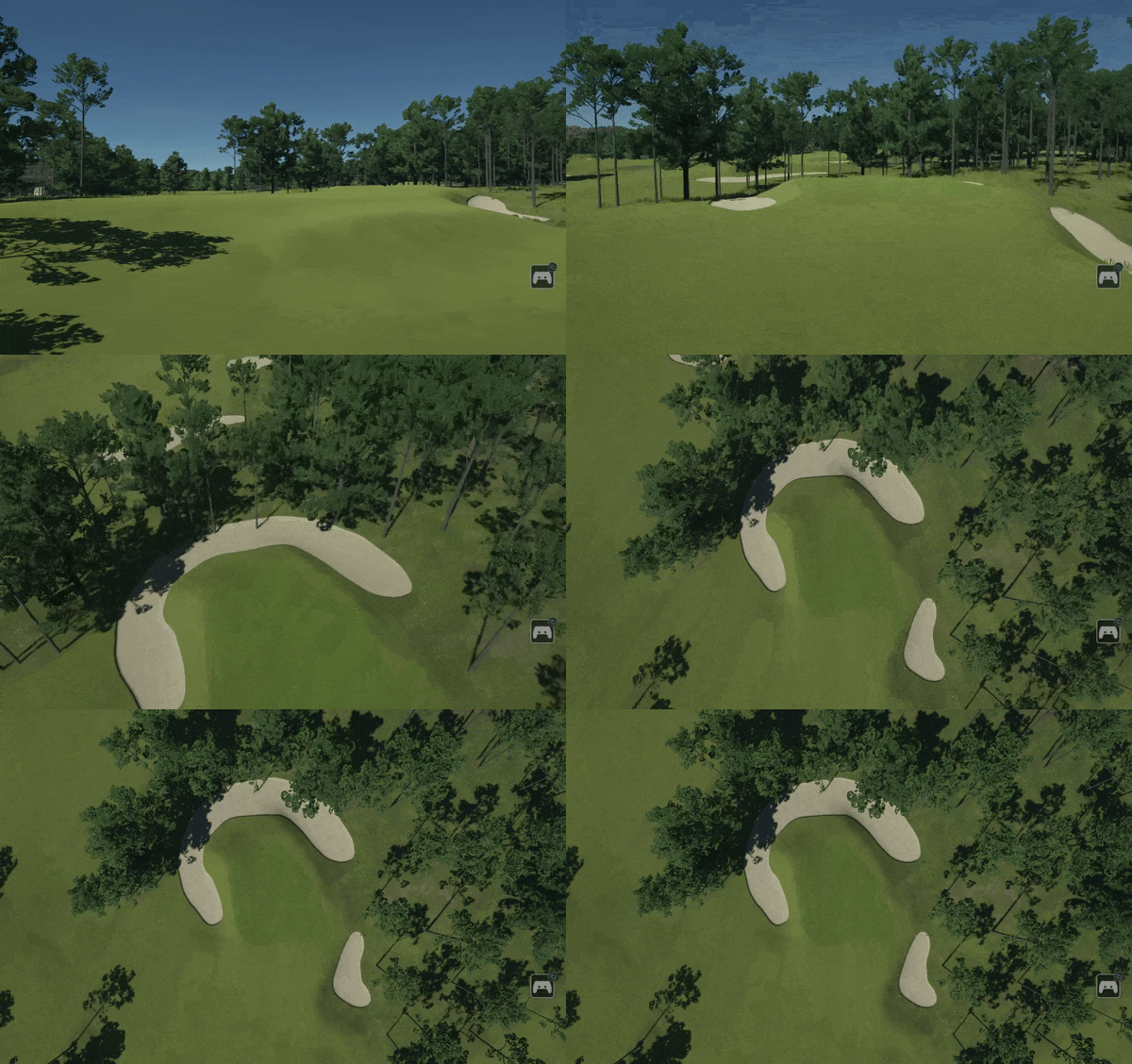

Five (Par 5, 470 yards): The first encounter with the lake is on the slightly uphill par five fifth. A fairway bunker 265 yards out guards the line of charm. Attacking it opens up a good look at the green but the drive must either be precise as to sneak right past it or long as to get beyond it. The right side of the fairway by the bunker is angled to kick a drive hoping to breeze by towards the hazard. Laying up makes for a much longer second shot. Finding a good position to lay up to should be easy as the fairway in front of the green is subtle, but does lean left. A long attacking shot in two could hit the slope and run into the deep left greenside bunker. The green has plateaus left and right but is fairly receptive at its center.
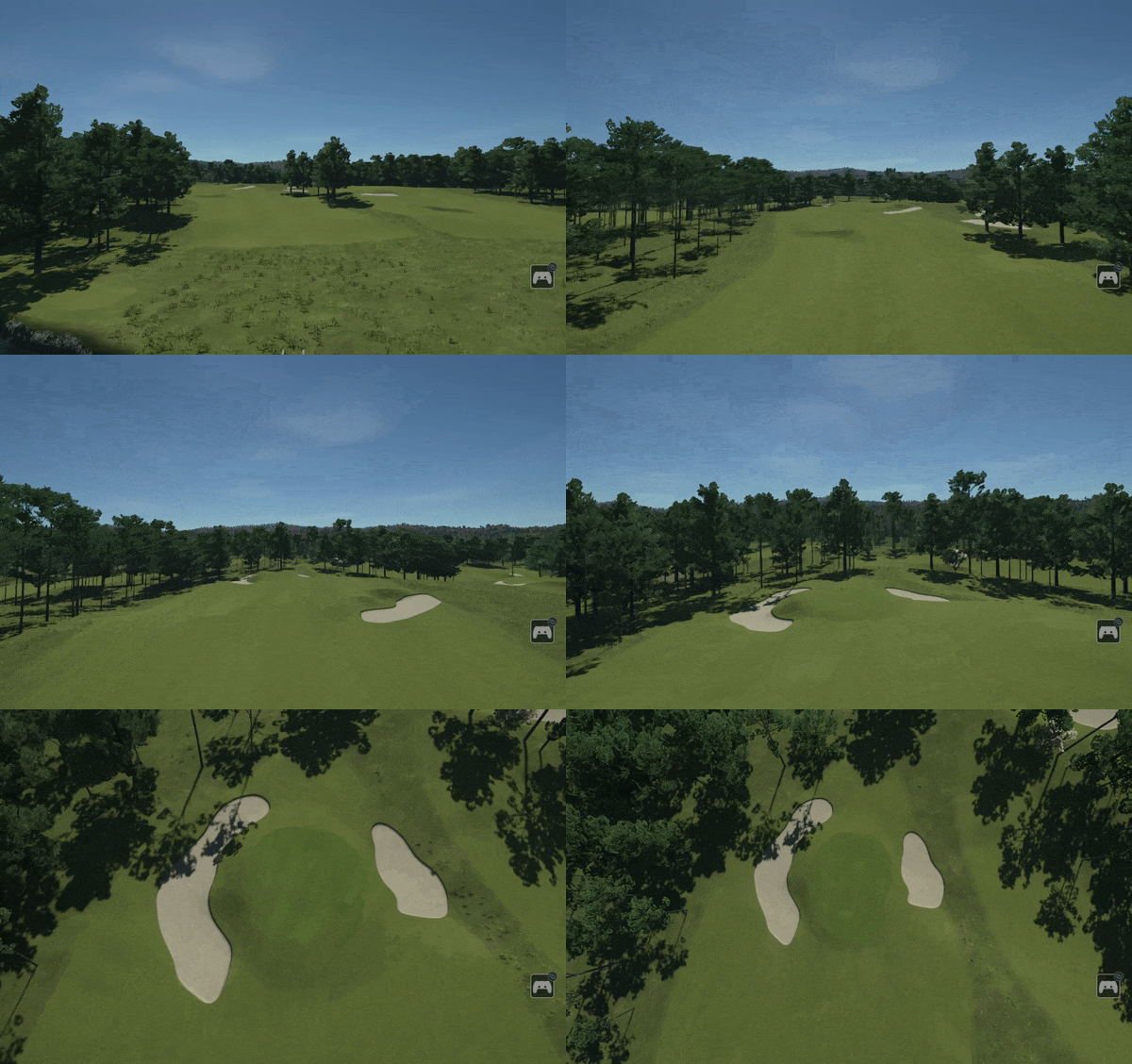

Six (Par 3, 120 yards): The short par three sixth is uphill all the way to a perched green with bunkers at the front, back and left side. Broadly, everything in the green moves right to left on two tiers, but front and back knobs mix things up enough to make this short par three much scarier than you’d think. Misses left will trundle into the bunker or beyond, but the green is more receptive from that angle. Misses right are likely okay in the rough but with a green that runs away. Fortunately green speeds were much slower in the 30s as trying to putt from the top tier to the bottom with today’s stimps would leave you needing a sand save to two putt.
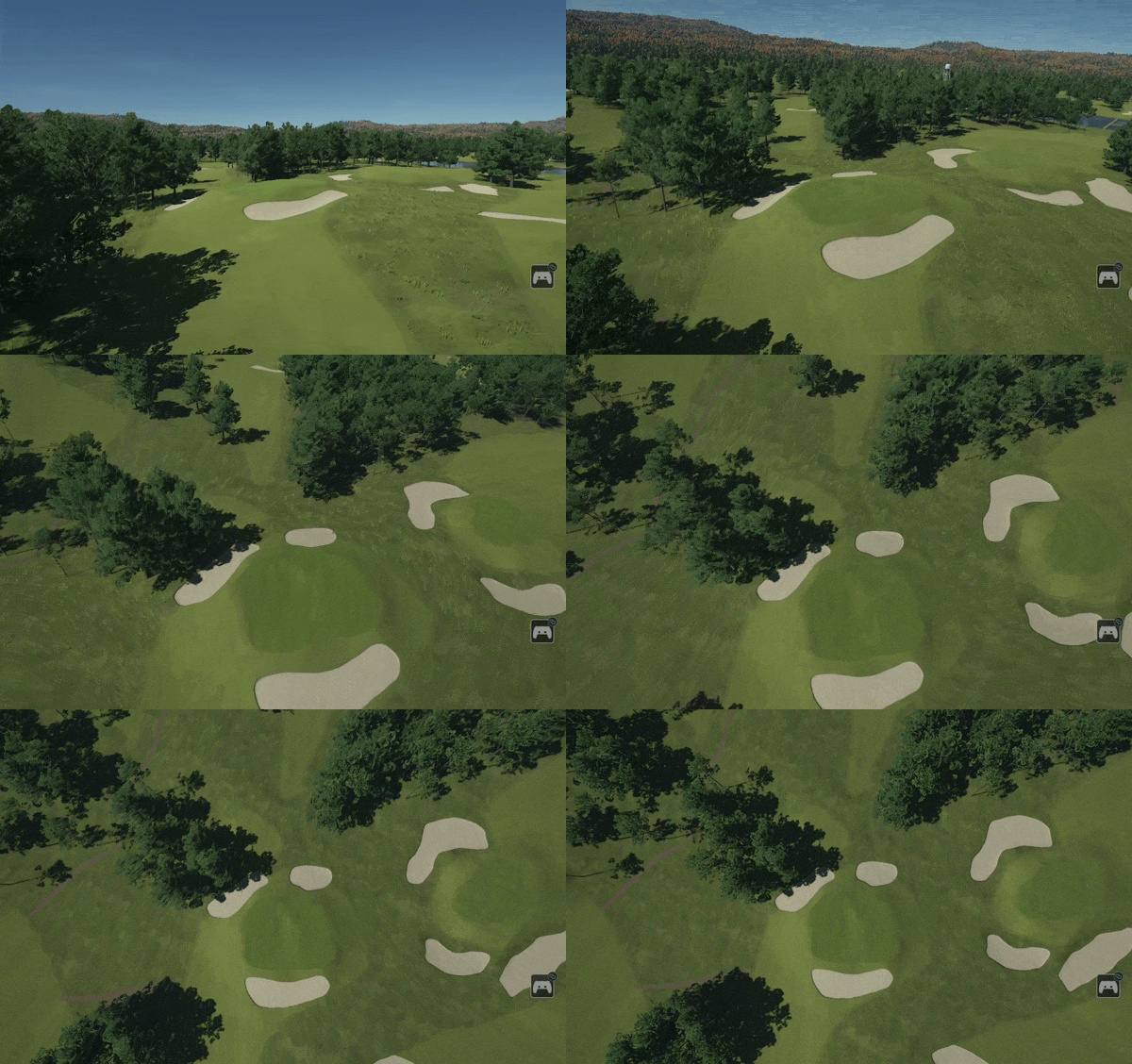

Seven (Par 4, 390 yards): At 390 yards, the dogleg seventh turns hard to the right. An aggressive shot hugs the trees and carries the short fairway bunker that creeps in from the right. Another fairway bunker, this time on the left, looms with every intention of catching a ball hit too well. A greenside bunker right and a falloff on the right protect the green with a slight spine through the middle that pushes balls to either side.
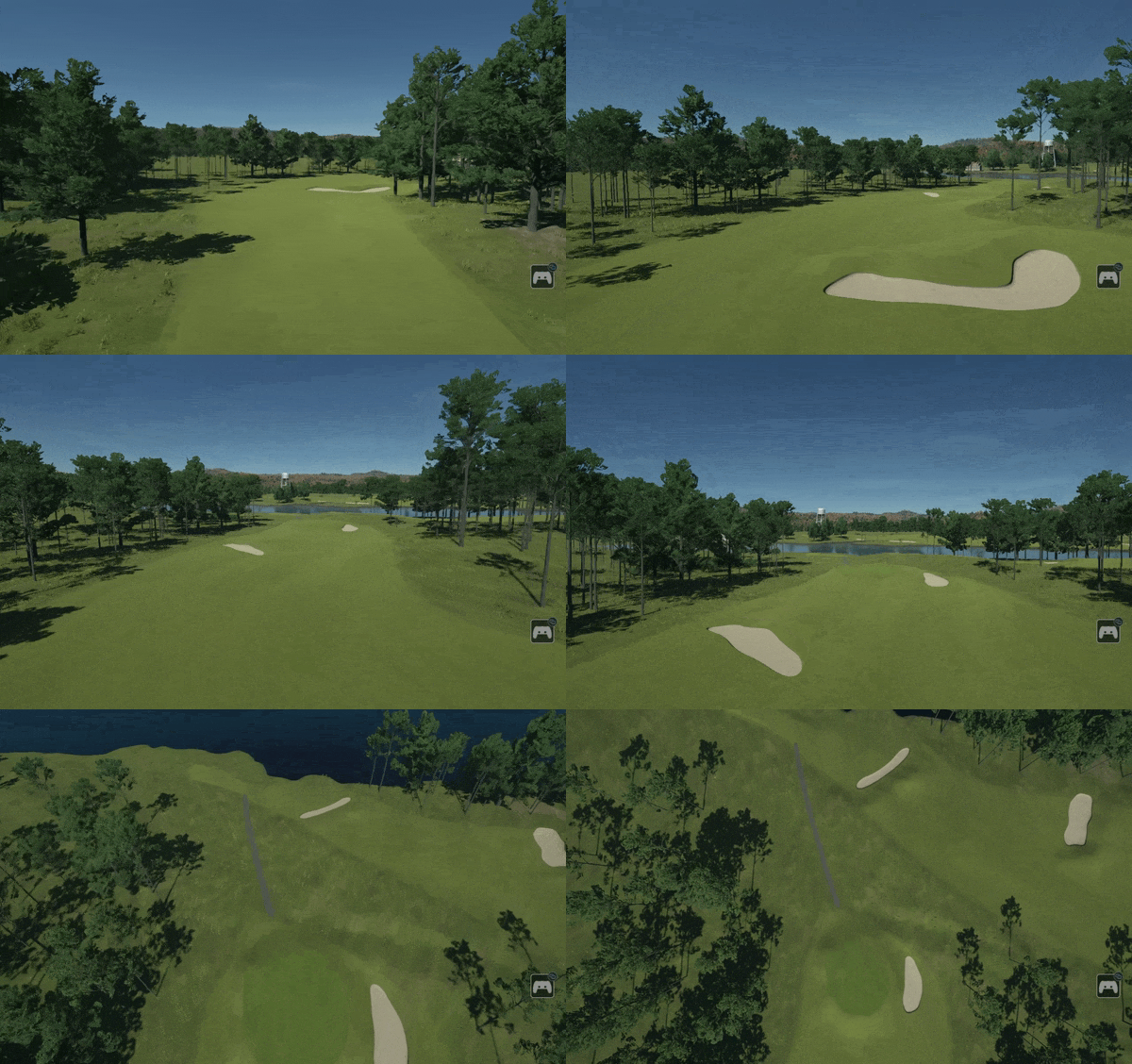
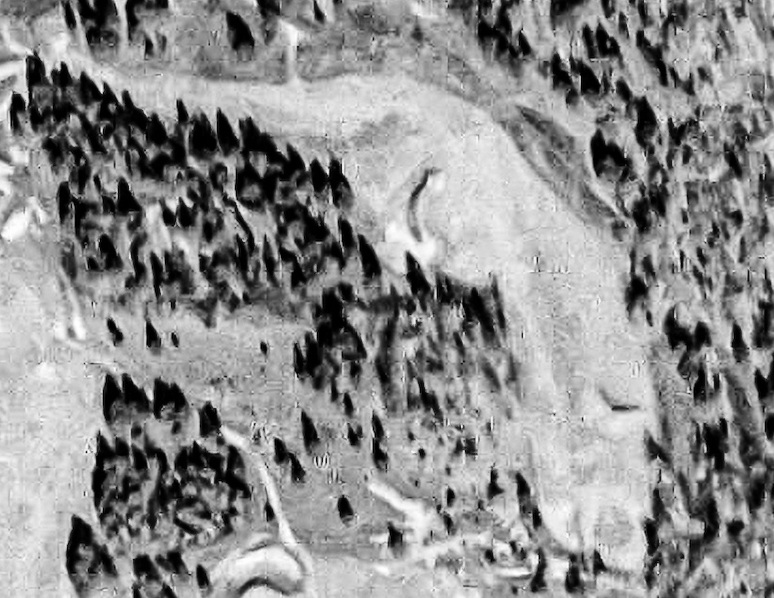
Eight (Par 4, 260 yards): At only 260 yards the eighth is the shortest par four on the course by about 70 yards, though it plays uphill. The first of three fairway bunkers sits only 80 yards from the tee with a strikingly high face to catch anything topped or bladed. It would be hard to imagine hitting anything but a cursory wedge out. Two more bunkers pinch the fairway 150 or so yards out before a wide open section of fairway where the ground begins to rise. To reach the green, the tee shot must carry 215 yards to clear the top of the hill. Drives not hit perfectly at the green will wind up in the deep left or right bunkers. Drives hit too well perfectly at the green will have little to slow them down as they careen over the back and down into the rough. A high left porch makes for an interesting pin while the bulk of the green slants right slants right to left towards the low point at the front. It’s a striking hole that requires precision with the driver more than strength.
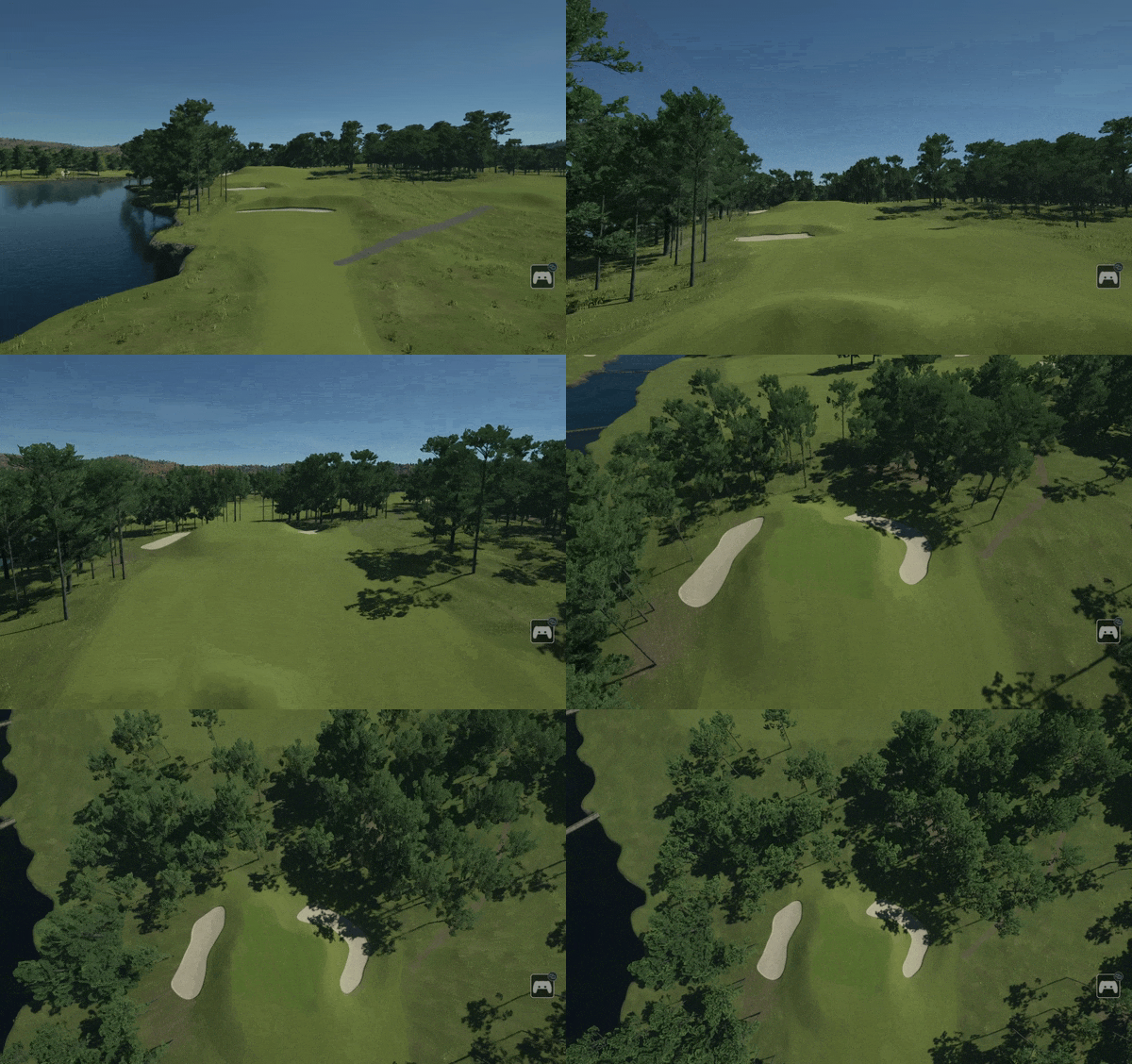
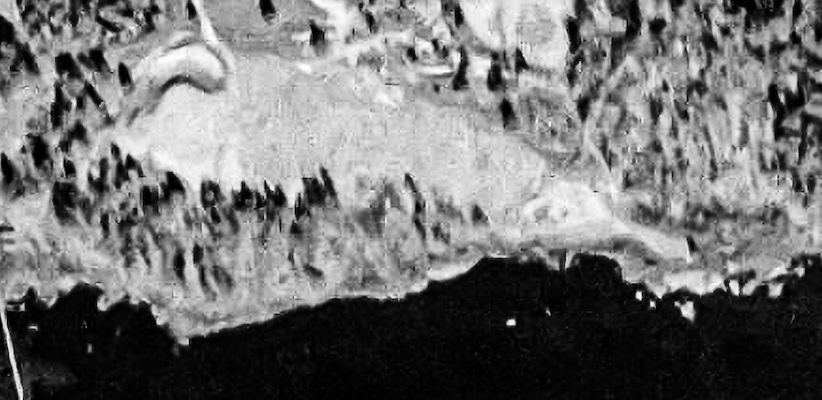
Nine (Par 4, 375 yards): If you weren’t impressed by eight, nine will surely widen your eyes. With the entire lake open to the left of the fairway it’s reasonable to want to keep the ball right. This is doubly smart as the entire hole pushes balls towards the water as the fairway leans and swells. A right handed fade into the slope is the ideal play as staying too safe to the right brings a thin line of trees and rough into play. A single bunker sits deep to the left of the green which itself has been lost to time on this stunning par four. After the course closed (I assume) the greensite became a cemetery which buried its contours alongside its residents.
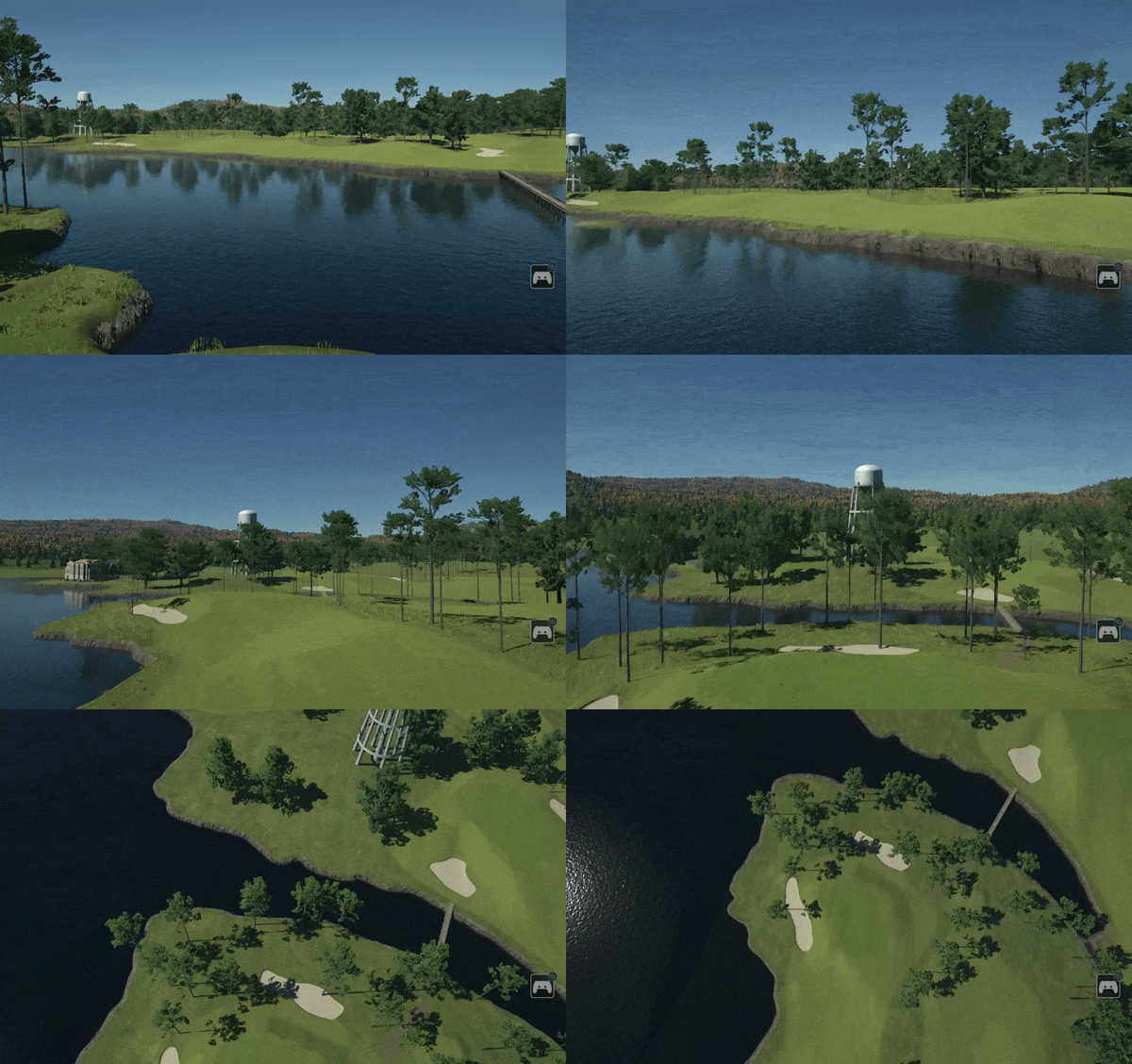
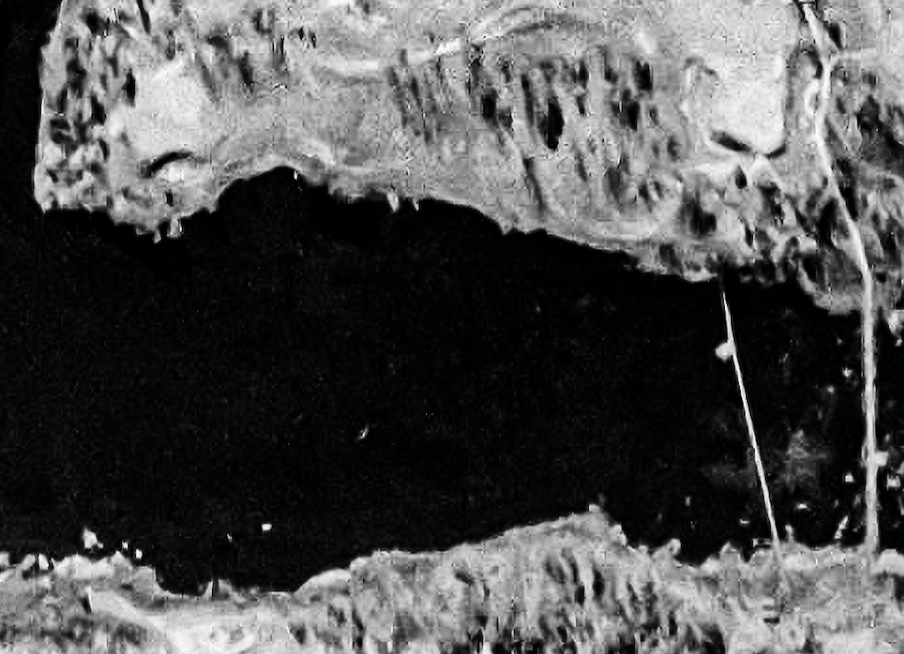
Ten (Par 4, 360 yards): From the tee on this 360 yard par four the crest of a hill hides the hole ahead. What can be seen is the top of a centerline bunker some hundred yards away. A depression occupies the larger, safer left side of the fairway from which the approach to the ridgetop green is completely blind. Playing up the right side of the fairway will keep the ball with a look at the green but if the shot isn’t long enough, trees block the approach. A long straight drive up the right side leaves the approach visible and accessible. It would be tough to go long here as a ridge acts as a backstop. Frankly, this is a straight hole with a finger that holds the squarish green splays out to the right. Deep bunkers to the left and to the right place a premium on the accurate approach and likely make the drive up the right worth it. The green itself is mercifully still with only some slight rolls throughout.
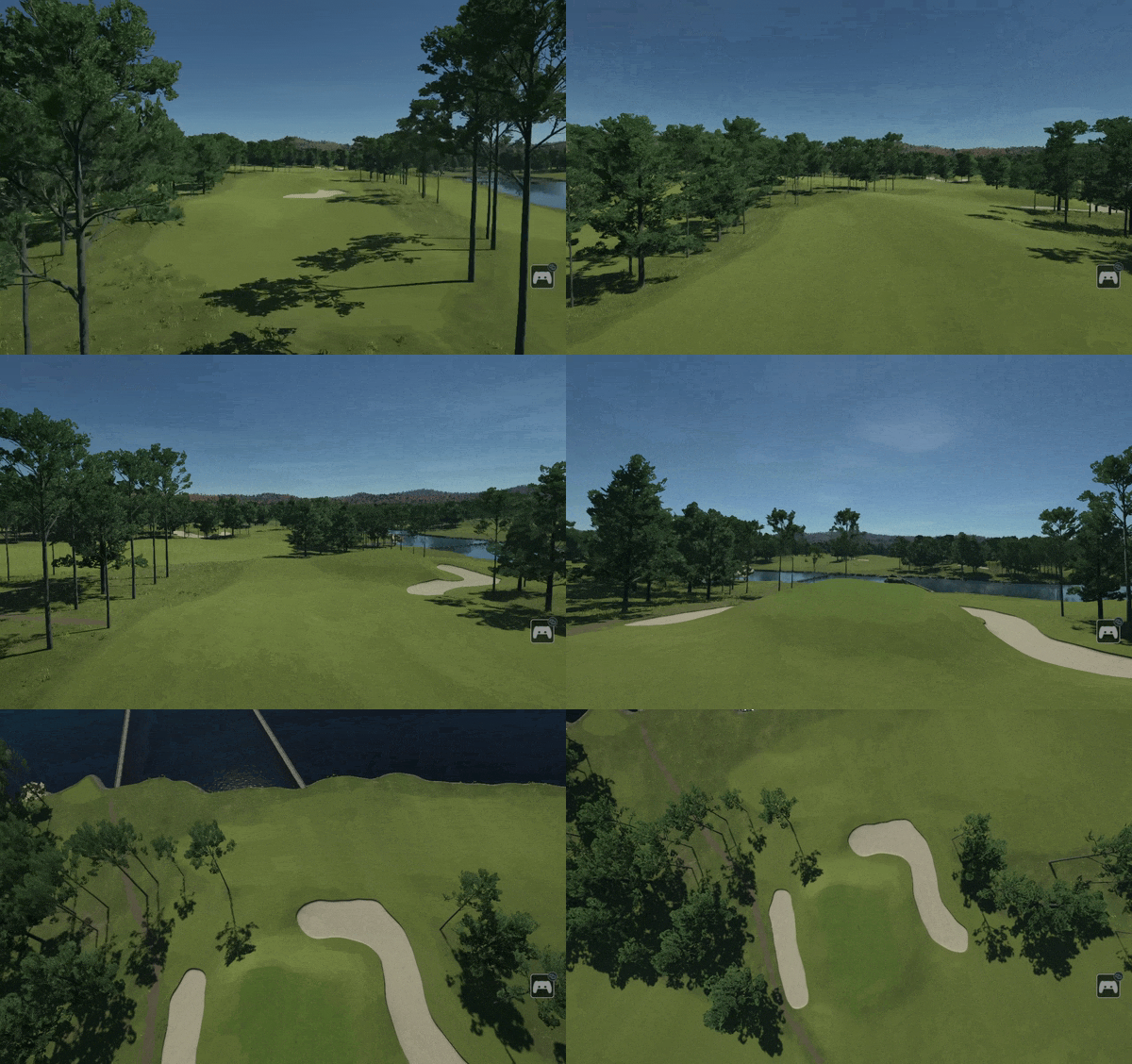
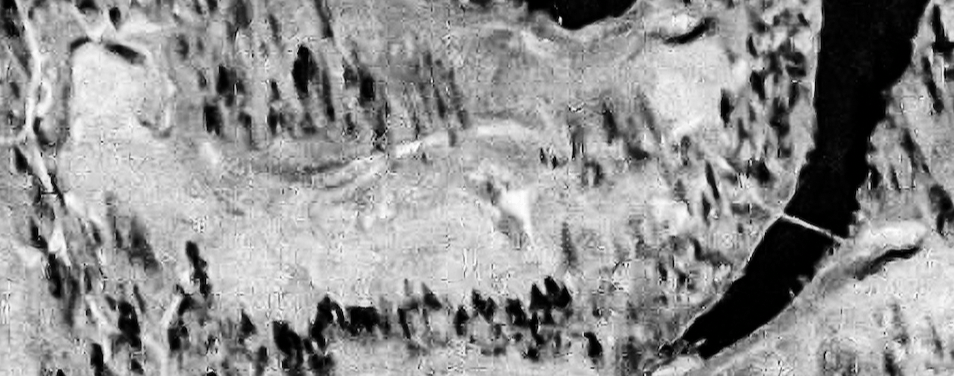
Eleven (Par 4, 385 yards): If a tee shot over the lake wasn’t enough, this long par four also plays uphill. A fairway bunker on the left is more than happy to catch anything that doesn’t play wide of it or carry the required 220 yards. The fairway plays with a large hump on the left and a channel on the right. From the channel, the angle is slightly better but blind and guarded by the size of the hump to the left. Being atop it offers a better look but slightly worse angle; perhaps the better trade off. The front half of the green runs right to left and back to front down the hill while the back half is perched up and flatter. There are two bunkers left of the green and a smaller but no less intimidating bunker at the front right. The green pad falls off all around but not as severely as some of the duo’s built up sites.
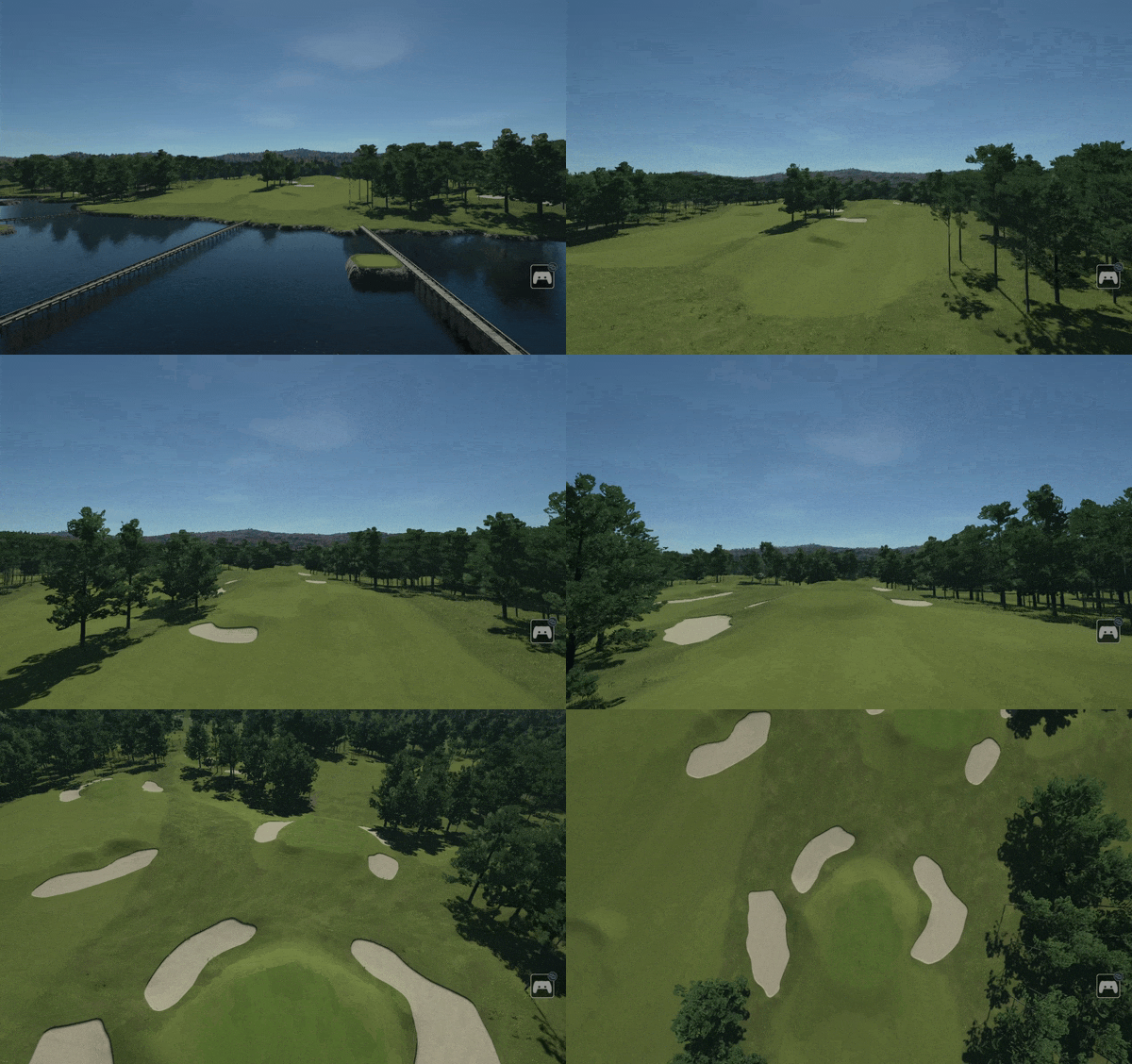

Twelve (Par 4, 405 yards): The par four plays across a valley to the top of a hill around 220 yards out. Get caught in the valley and it’s a long sightless approach to a green with a twenty foot drop down the other side of the hill. The fairway makes it possible for the longest of hitters to crest the hill and get a good kick down the hill for a chance at birdie. The green is guarded at the left and right by long bunkers, a back to right tilt, and an elevated quarter section that must have been reserved for Sunday pins. Surely a non-issue for them as the Shriners aren’t a secular order.
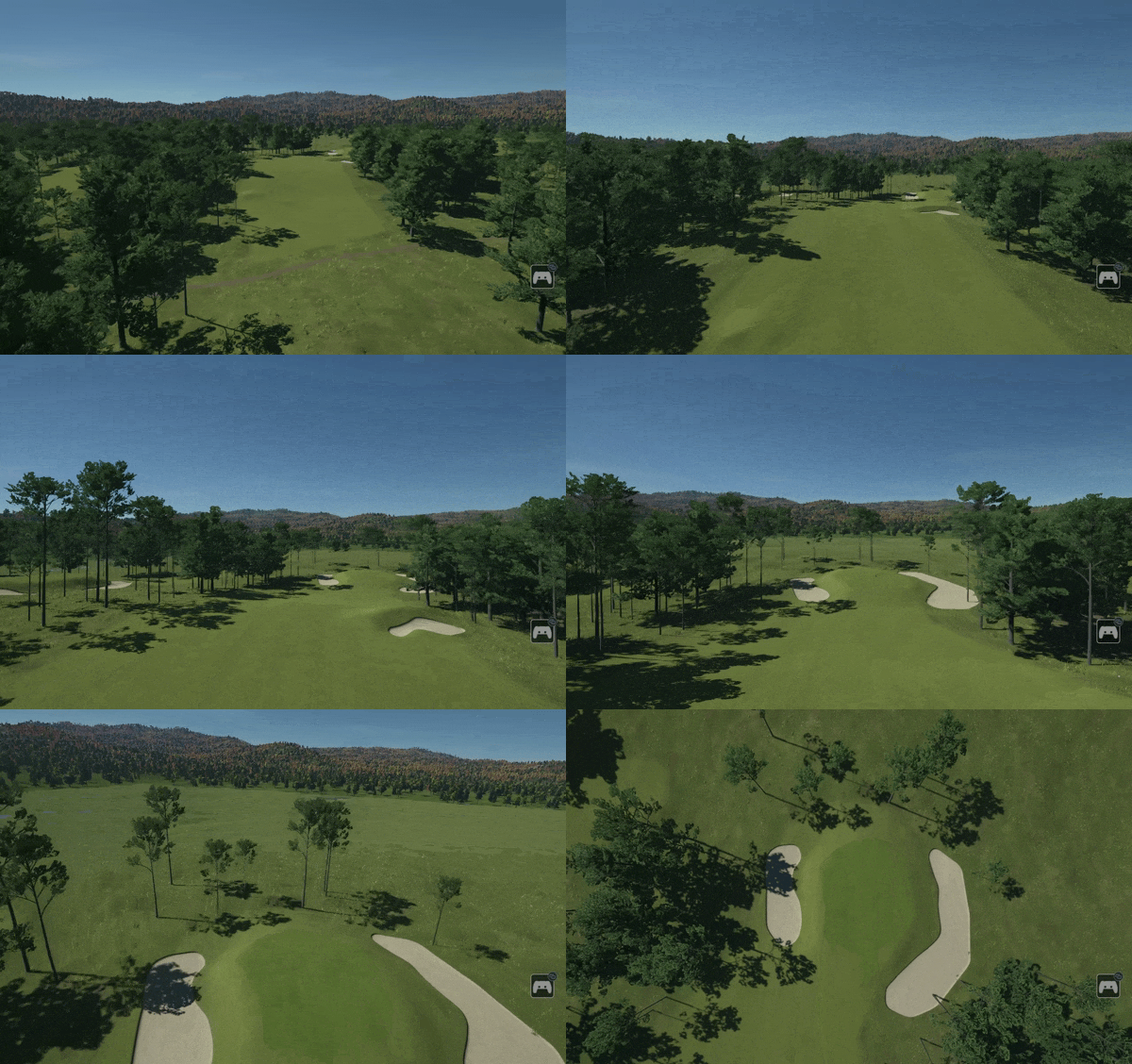
Thirteen (Par 3, 140 yards): This short par three up the hill is somewhat simple. Avoid the bunkers that surround the back and sides. Don’t be short, however, as the ball will roll back leaving a long blind pitch shot. A clever knob on the fairway ahead of the green is ready to deflect any attempts at running a shot in – this needs to be all carry. Did I mention the false front? It all makes the 140 yards feel a little bit longer now, doesn’t it?
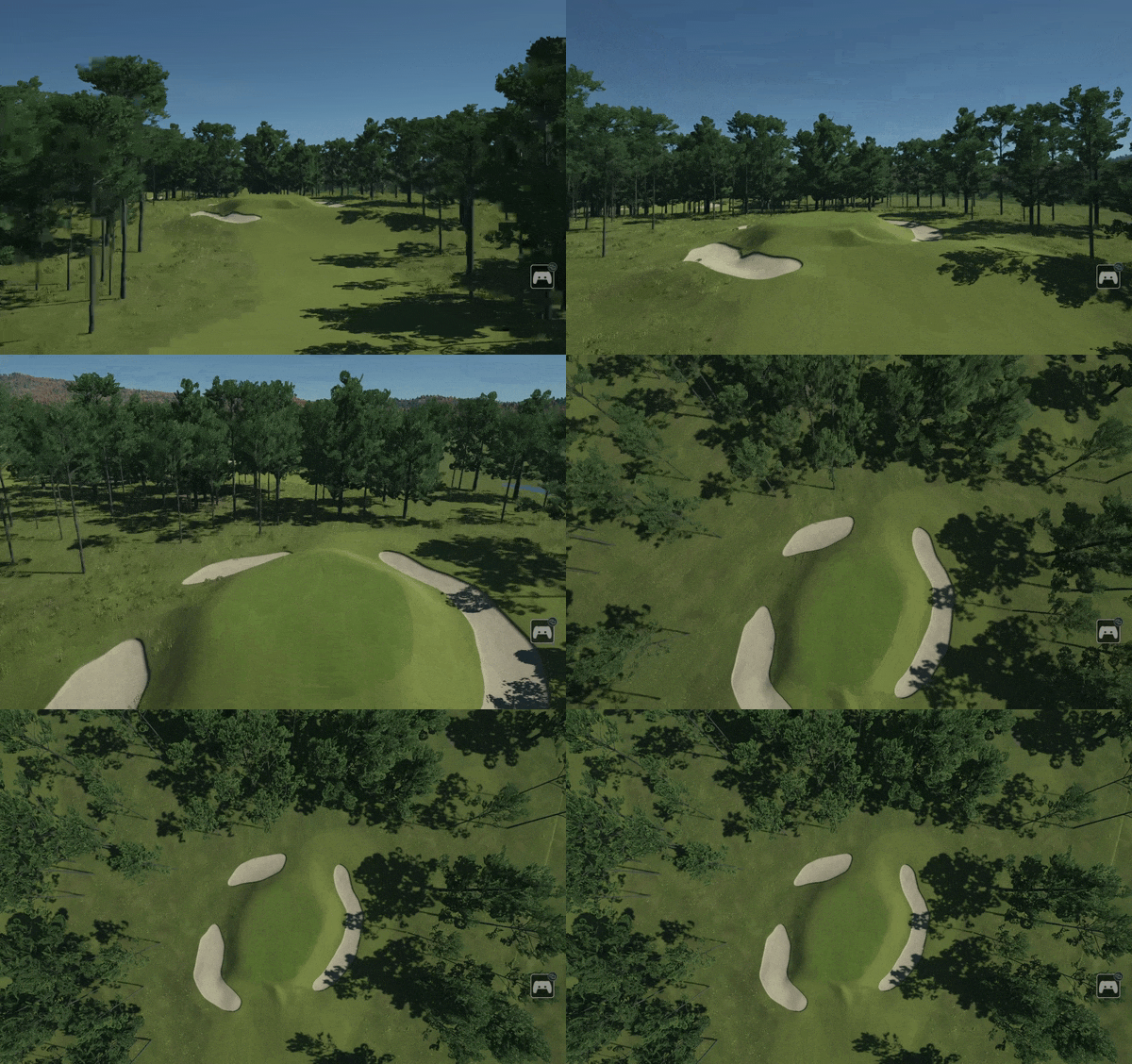

Fourteen (Par 4, 375 yards): This par four takes a sharp right turn up a hill after making it past two fairway bunkers that serve to pinch the fairway ahead of a ridgetop. Most balls will hit a side slope and feed down to the left side of the fairway where the green sits twenty feet above the ball and is guarded by two mounds directly in line with the green. Anyone who can fade their tee shot and keep it close to the trees on the right will be rewarded atop the hill with a much clearer shot that avoids a direct line with the bumps. One of these aforementioned hillocks carries into the green in the form of a wide spine that divides the green into two sections.
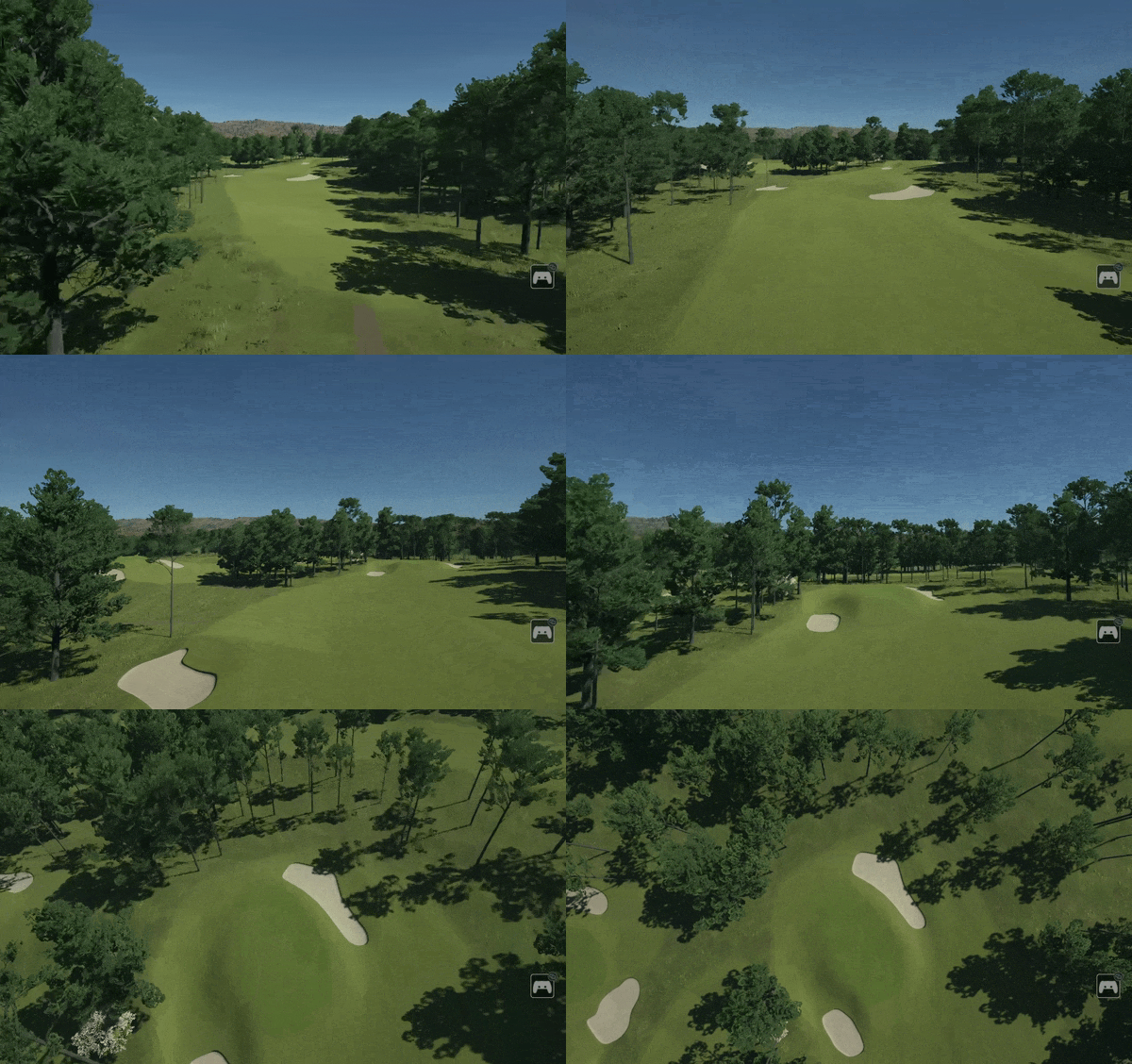
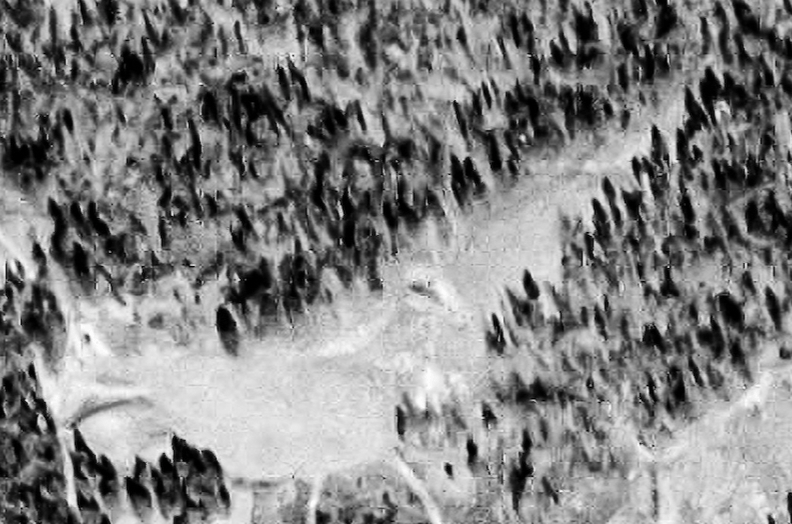
Fifteen (Par 5, 520 yards): This par five sweeps right to left back down towards the lake. An aggressive tee shot hugs the trees left with a draw to keep the ball on the hole. Anything hit straight or with a fade is likely to run through the fairway and into the trees and rough. Even with an aggressive drive there is a fairway bunker a little over 300 yards on the right which might not normally be a problem except for the downhill draw. The green is small and is perched on a hill on the left side of the hole. Another fairway bunker 100 yards out guards a layup while a long bunker wraps around the front right to the back with another round bunker over the back left. These are a better place to end up than over the back into the water.
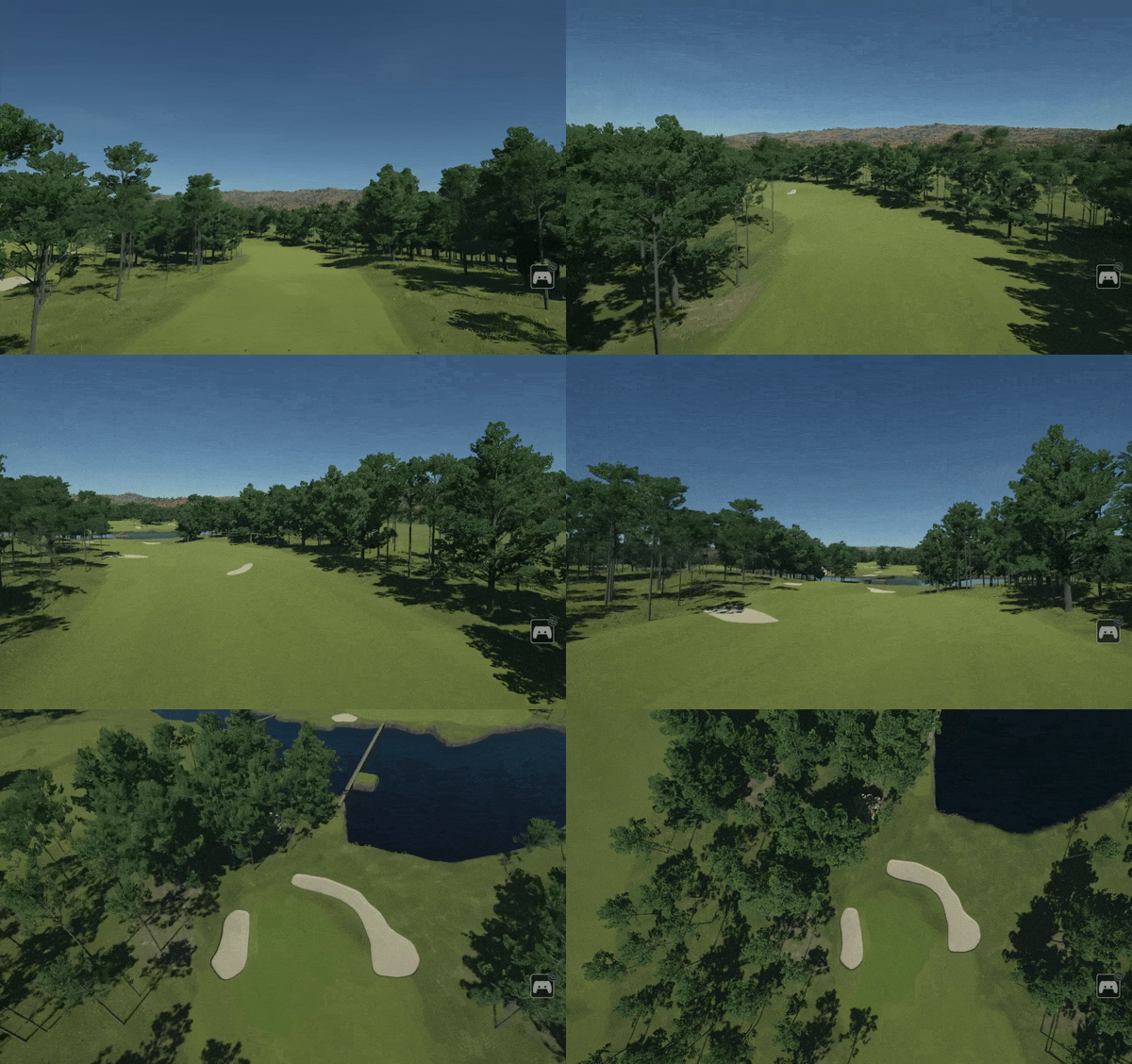
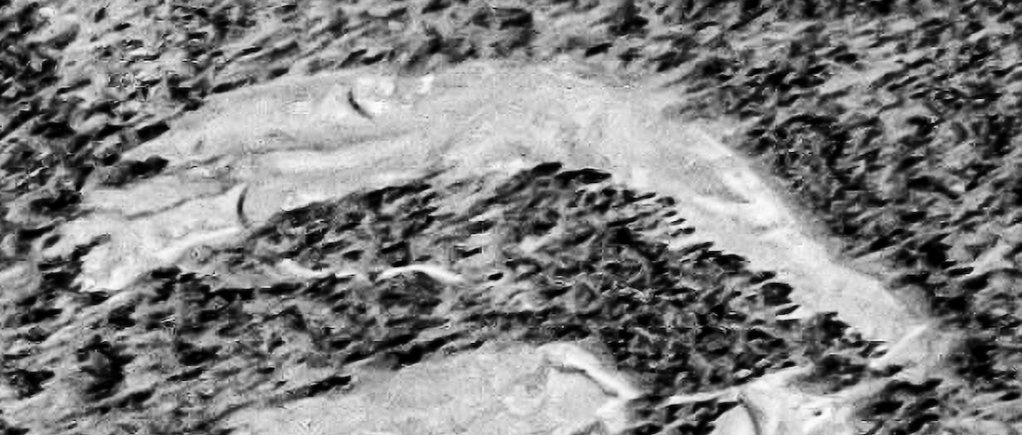
Sixteen (Par 3, 160 yards): The par three sixteenth plays back over a skinnier section of the lake. Which is good because it’s 160 yards from the back tees. The green has bunkers right and behind with a section that falls away to a collection point on the left. The green has a lower front right section that was likely not, but could have been, an ode to the fourth green at Huntercombe. This section may be unpinnable, however, and could have acted to feed balls back off the green.
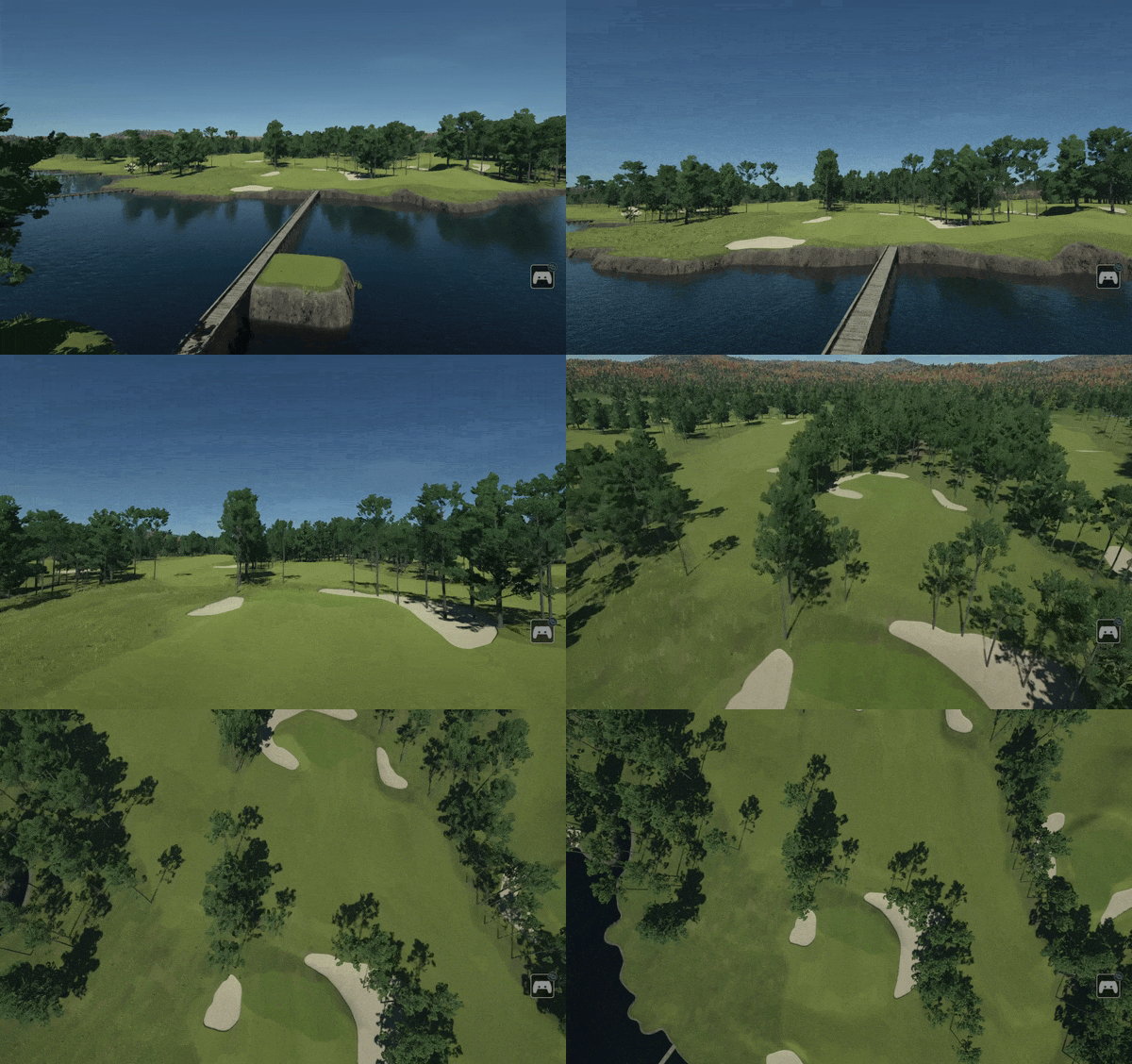

Seventeen (Par 4, 330 yards): Another shorter par four, the seventeenth slunk right with a lot of room in the fairway. Two fairway bunkers up the right side are likely ignoreable, though keeping to the inside of the hole shortens the approach. Well placed drive end up in front of the green that boasts a false front and bunkers left and right. The center of the green is holdable but well protected by a falloff back side as well. Fair play for such a short par four. Accuracy has to count for something.
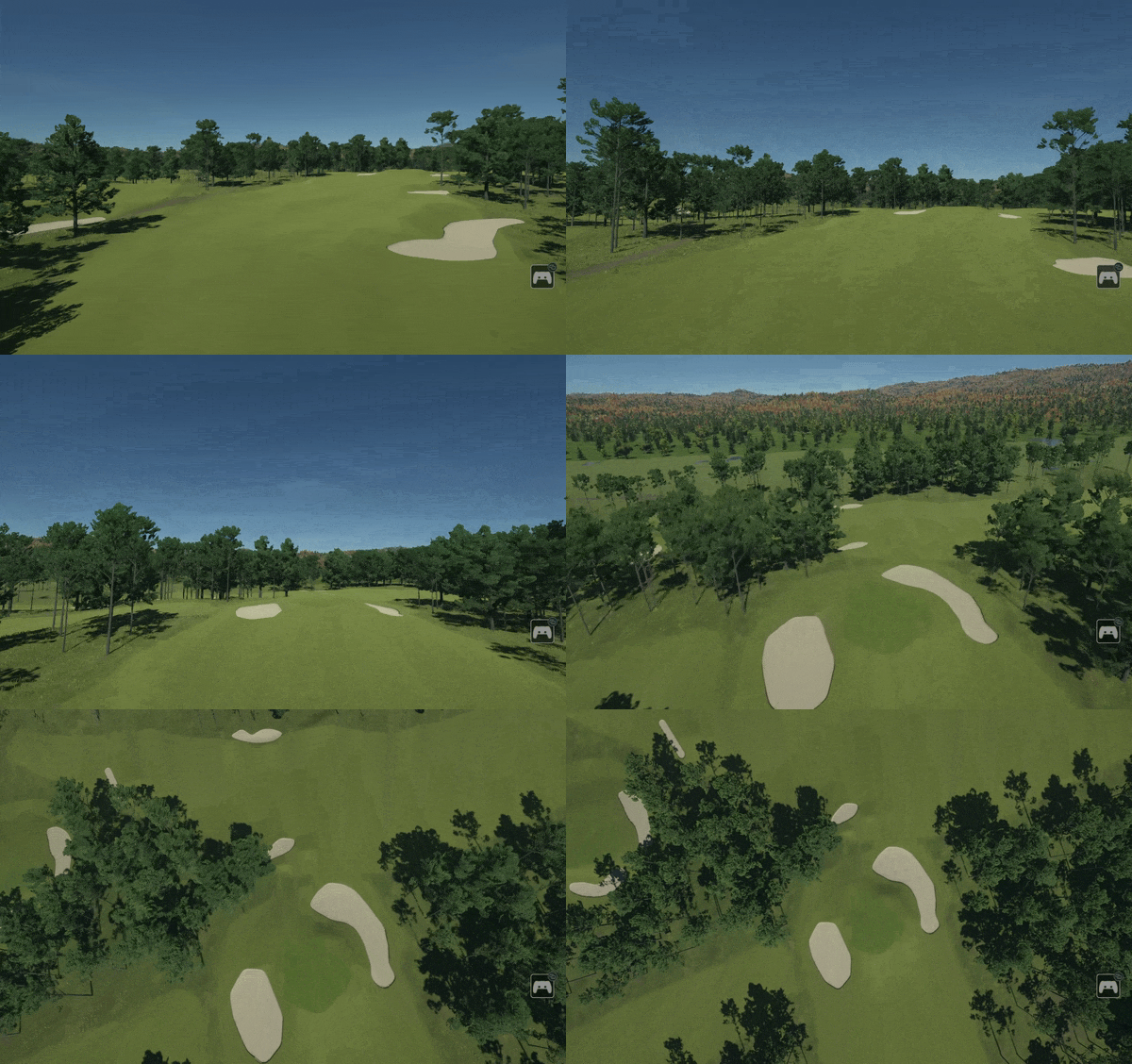

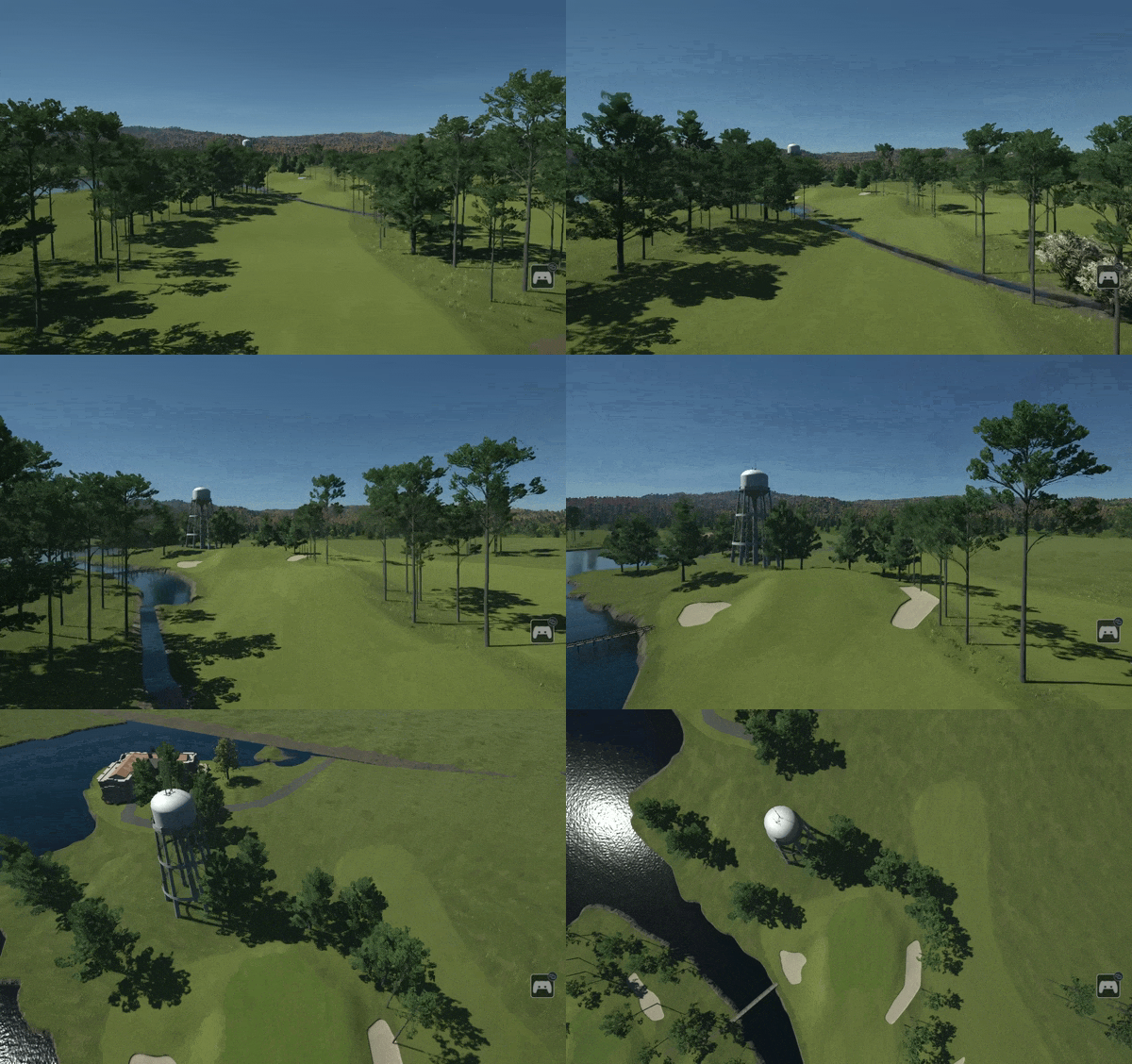
Eighteen (Par 4, 435 yards): The drive is downhill. That’s good. Pine lake’s finger shoots off into something of a creek or burn that crossed the fairway diagonally and demands to be carried or carefully laid up to. At 435 yards, it’s a bruiser of a hole. Past the water, a large mound shares the fairway with a low point and shots that glance off of it will be pushed towards the lake. Shots that stay up have a level approach to the green. A deep bunker to the left is all that guards the somewhat tame green. Perhaps our boys figured that the rest of the course was tough enough and golfers would appreciate the ‘gentle pat on the back’ as they made their way to the infirmary.
Final Thoughts:
Most of Langford and Moreau’s signature features were in the ground at Al Amin. Their creatively tiered greens, use of hills to create strategic interest, deep bunkers with high faces, and raised green pads all came together to make what may have been one of their finest achievements.
The project
So many lost courses by famous architects are well-enough documented that to stumble upon one with almost no easily accessible information was surprising, especially for a course of this quality.
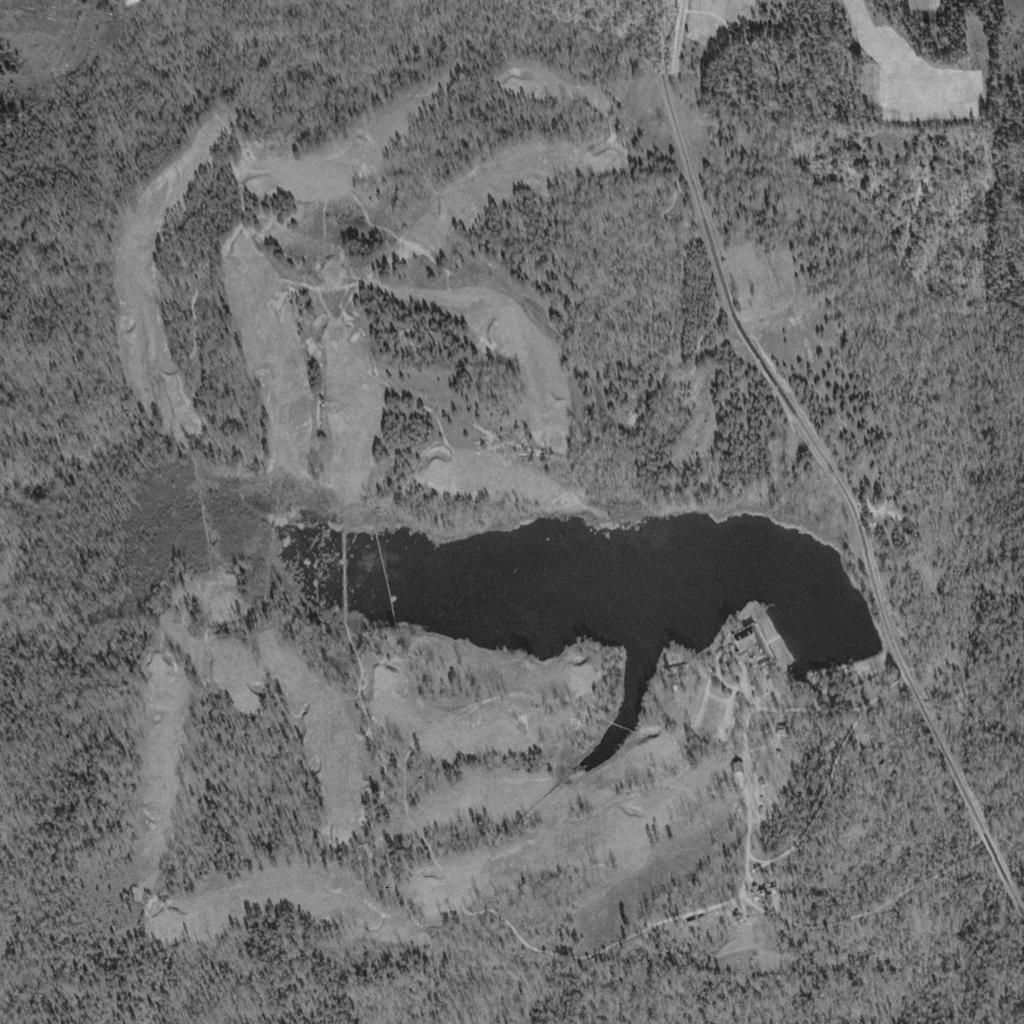
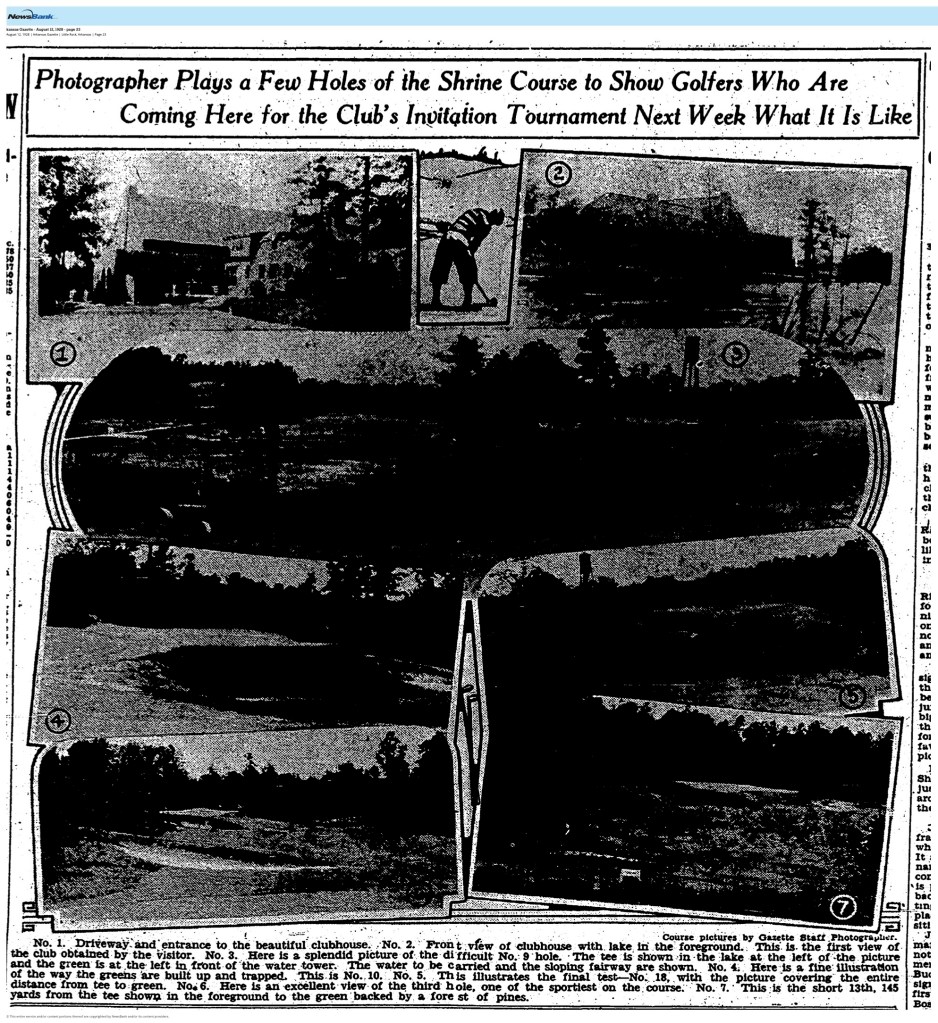
Until now, the only known photograph of the course came from a 1943 aerial taken six years after the closure but still shows the prominent features of the golf course. No routing maps, scorecards, course photos, or newspaper descriptions were easily accessible. Any information about the course was both literally and figuratively buried.
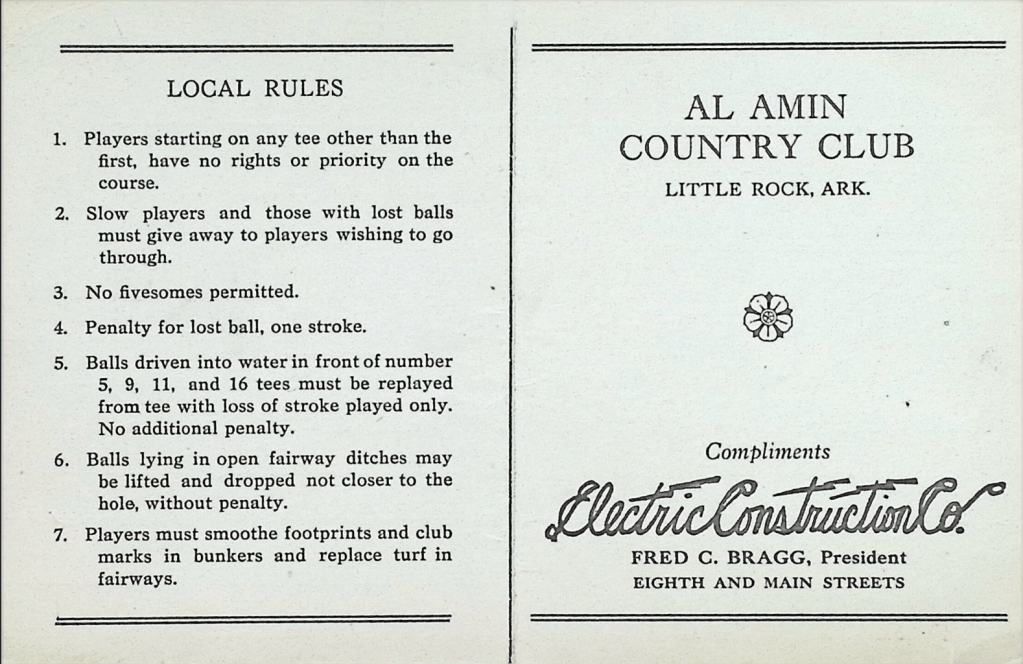
Halfway through the project, the wonderful folks at the USGA Golf Museum came through with a break in the case: a scorecard. It confirmed our routing, clarified tee locations, gave us a more concrete name, and revealed a simple but elegant logo for the course.
As the work continued, TJ dug through the archives of the Arkansas Gazette and found article after article describing the course, detailing the holes, and shedding light on its origins. It even included poor quality photos of the golf course itself.
The lidar depicts the contouring and movement of the holes, but it was up to us to determine what depressions were bunkers and how the greens may have looked. The Langford and Moreau Society’s John Griffin helped us identify and adapt bunkers and greens based on his knowledge of the duo’s style and detailed topographic maps. The limitations of erosion and weather as well as the software make it an imperfect recreation, but we’re excited to bring it to you. If you have the game, you can play the course on PGA Tour 2k25. Search ‘Al Amin Country Club.’
If you enjoy this kind of work, Daniel Wexler combines deep research and archival photos in his excellent books Missing Links and Lost Links. As mentioned previously, Chris Buie’s work began as a Golf Club Atlas thread and evolved into Overhills: Anatomy of a Masterpiece. And of course, there’s the greatest success in all of missing golf: The Lido.
Acknowledgments
This extraordinary effort was the product of careful research and multiple contributors. Thank you to the folks at the Central Arkansas Library System and Arkansas State Archives for their responses to what is hopefully not their most curious reference request that week. To John Griffin, researcher and historian with the Langford & Moreau Society for his expertise and willingness to follow us down this strange rabbit hole and assistance in understanding the routing and nuances of L&M’s designs. To Stacy Schiff and the USGA Golf Museum for single-handedly doubling the amount of information we had about the course at the time.
And most importantly, thanks to TJ Patterson, who brought the course to life through hours of close study, tweaks, adjustments, and good humor towards occasionally wild demands. His work mapping the course to the aerial, building the features around the Lidar, and bouncing ideas back and forth made this entire project possible. His tireless research unearthed photos and articles that further illuminated this masterpiece in the Land of Opportunity.
- The idea came to Lescher while he was at work on the course but didn’t build the first prototype until he got to Chicago to continue his work with the firm. ↩︎
References
https://armoneyandpolitics.com/digs-of-the-deal-marylake-monastery/
 Layman's Hall
Leave a comment